Skip to content


Make crisp, golden Thekua at home with a firm wheat-flour dough, jaggery, ghee, coconut and fennel. The right dough consistency and slow frying are the two most important steps for getting the traditional texture.
The aroma of jaggery, ghee and freshly fried Thekua is a familiar part of Chhath Puja preparations in many homes across Bihar, Jharkhand and Eastern Uttar Pradesh.
Prepared as prasad and shared after the rituals, Thekua is closely connected with the festival. If you are making it for the first time, this chhath puja thekua recipe takes you through the ingredients, dough consistency, shaping and frying process without making it complicated.
Why Is Thekua Prepared During Chhath Puja?
Thekua is a traditional Bihari sweet made mainly with whole wheat flour, jaggery or sugar, ghee and flavourings such as fennel and cardamom.
During Chhath Puja, chhath puja prasad thekua is traditionally prepared for offering to Surya Dev and Chhathi Maiya. After the rituals, the prasad is shared with family and others.
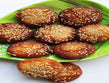
What makes traditional thekua distinctive is its texture. It is firm and crisp on the outside, with a slightly crumbly centre and the familiar sweetness of jaggery.
Thekua Recipe for Chhath Puja: Quick Overview
If you are following a thekua recipe for chhath puja, keep everything measured before you start. Once the dough is ready, you can shape and fry the pieces in batches.
-
Preparation Time: 15–20 minutes
-
Cooking Time: 25–30 minutes
-
Total Time: 40–50 minutes
-
Cuisine: Bihari
-
Course: Sweet / Prasad
-
Makes: Around 12–15 pieces
Thekua Ingredients
The basic thekua ingredients are simple and commonly available.
Main Ingredients
-
2 cups whole wheat flour
-
¾–1 cup grated jaggery
-
½ cup dried grated coconut
-
2–3 tablespoons ghee
-
1 teaspoon fennel seeds
-
½ teaspoon cardamom powder
-
About ⅓–½ cup water, as required
-
Ghee or oil for deep-frying
Optional Ingredients
-
Sugar instead of jaggery
-
Finely chopped almonds or cashews
-
A little semolina for a different texture
Preparation Tip: If you are preparing Thekua specifically for Chhath Puja, follow the ingredients and preparation customs traditionally observed in your household.
How to Make Thekua Step by Step
If you are wondering how to make thekua at home, focus on two things: keep the dough firm and fry the pieces slowly.
Here is the complete thekua making process.
Step 1: Prepare the Jaggery Water
The jaggery should dissolve before it is added to the flour.
-
Add grated jaggery to a saucepan.
-
Pour in about ⅓ cup water.
-
Warm over low heat while stirring.
-
Once the jaggery dissolves, strain it if required.
-
Let the liquid cool before adding it to the flour.
Tip: Do not turn it into a thick syrup. You only need to dissolve the jaggery.
Step 2: Mix the Dry Ingredients
Prepare the flour mixture before adding any liquid.
-
Add whole wheat flour to a large bowl.
-
Add dried coconut and fennel seeds.
-
Mix in the cardamom powder.
-
Combine everything evenly.
Tip: Lightly crush the fennel seeds if you want their aroma to spread more evenly through the dough.
Step 3: Rub the Ghee into the Flour
This stage helps create the slightly crumbly texture associated with bihari thekua.
-
Add 2–3 tablespoons ghee.
-
Rub it into the flour with your fingertips.
-
Continue until the mixture resembles coarse crumbs.
-
Press a little mixture between your fingers. It should hold together briefly.
Do not skip this step, as properly mixing the ghee through the flour affects the final texture.
Step 4: Make a Firm Dough
Thekua dough should be firmer than regular roti dough.
-
Add the cooled jaggery water little by little.
-
Bring the flour mixture together with your hands.
-
Add extra water only if necessary.
-
Form a firm dough without kneading excessively.
-
Avoid making the dough soft or sticky.
Tip: If the dough feels too wet, add a small amount of wheat flour. If it breaks apart while shaping, add only a few drops of water.
Step 5: Shape the Thekua
Traditional Thekua is often shaped using a wooden mould or saancha.
-
Divide the dough into 12–15 portions.
-
Roll each portion into a ball.
-
Flatten it into a thick disc.
-
Press it onto a lightly greased mould.
-
If you do not have a mould, create simple patterns with a fork.
-
Keep the pieces similar in thickness so they cook evenly.
Small cracks along the edges are normal because the dough is firm.
Step 6: Fry Until Golden and Crisp
This is the most important part of how to make thekua step by step correctly.
-
Heat ghee or oil in a deep, heavy-bottomed kadhai.
-
Keep the heat at medium-low.
-
Test with a small piece of dough. It should rise gradually rather than brown immediately.
-
Add a few Thekuas without overcrowding the pan.
-
Fry slowly, turning occasionally.
-
Cook until both sides are evenly golden brown.
-
Remove with a slotted spoon.
-
Let them cool completely.
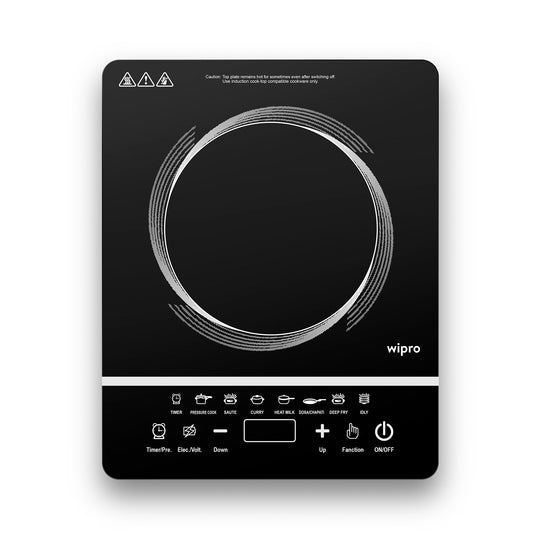
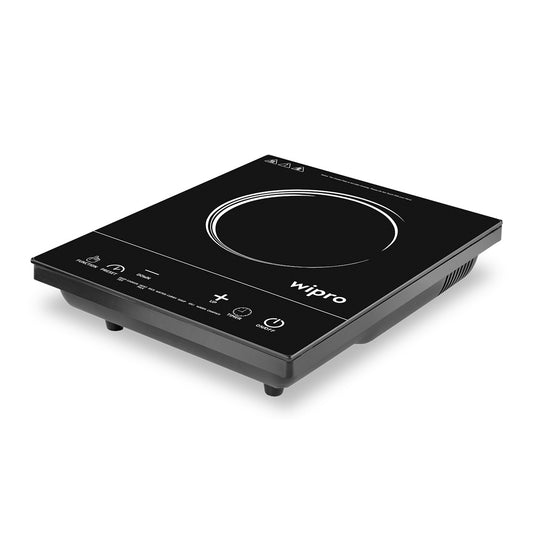
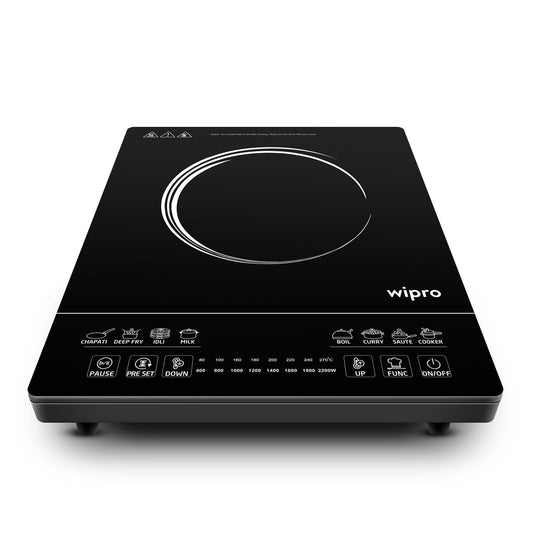
Cooking Tip: Do not increase the heat to finish faster. High heat can brown the outside before the centre cooks properly. If using a Wipro Induction Cooktop with compatible cookware, adjust the heat gradually and monitor the oil throughout frying.
Once cooled, your homemade chhath puja thekua recipe is ready to be offered according to your family traditions.
Why Does Thekua Turn Too Hard, Soft or Oily?
Even when the recipe is simple, small changes can affect the final texture.
-
Too hard: The dough may have been kneaded too much or may not contain enough ghee.
-
Too soft: The dough may contain too much water, or the pieces may not have fried long enough.
-
Browning too quickly: The oil is probably too hot.
-
Breaking while frying: The dough may be too dry.
-
Absorbing too much oil: The oil may be too cool or the dough may be too wet.
Extra Tip: Thekua becomes firmer as it cools, so do not judge its final texture while it is still hot.
How to Store Homemade Thekua
If you are preparing several batches of chhath puja thekua, proper cooling and storage are important.
-
Cool every batch completely before storing.
-
Use a clean, dry airtight container.
-
Keep the container away from moisture.
-
Do not mix warm and cooled batches.
-
Store in a cool, dry place.
-
Discard the Thekua if you notice unusual smell, mould or spoilage.
The exact storage period depends on ingredients, frying and storage conditions.
Frequently Asked Questions
-
What are the main thekua ingredients?
Whole wheat flour, jaggery, ghee, coconut, fennel and cardamom are commonly used. Oil or ghee is also required for frying.
-
How do you make crispy Thekua at home?
Prepare a firm dough, avoid adding too much water and fry the pieces slowly over low to medium heat. Let them cool completely before checking the final crunch.
-
Can I make thekua without a wooden shape maker?
Yes. You can flatten the dough with your hands and use a fork, spoon, or spatula to make simple designs before frying.
-
Can sugar be used instead of jaggery in Thekua?
Yes. Some recipes use sugar, although jaggery gives the sweet a different flavour and colour. Adjust the liquid according to the sweetener used.
-
Why does Thekua break while frying?
The dough may be too dry or crumbly. Add a few drops of water and bring it together gently before shaping again.