Skip to content


Food sits at the heart of Indian festivals because it connects seasonal ingredients, regional traditions, rituals and family participation. Festive dishes are often prepared for sharing, which is why sweets, snacks and complete meals become closely associated with particular occasions. Even as cooking methods change, familiar recipes continue to give festivals their distinctive character.
A festival may be marked on the calendar, but it often begins to feel real in the kitchen. Flour is roasted for sweets, spices are ground, batters are prepared and dishes that appear only a few times a year begin taking shape.
The connection between Indian festivals and food runs deeper than the festive meal itself. Cooking can form part of the preparation, ritual and sharing that surrounds the occasion. The ingredients may reflect the season, while the dishes often carry regional and family traditions forward.
Food Gives Festivals Their Familiar Rhythm
Festive cooking rarely begins when everyone sits down to eat. Some dishes need resting, cooling or soaking, while others are best prepared close to serving.
A festive kitchen may therefore include:
-
sweets prepared a day in advance
-
snacks made in larger batches
-
dishes reserved for rituals or offerings
-
fresh preparations completed before the main meal
-
extra portions for relatives and neighbours
This helps explain why food is important in Indian festival celebrations. Preparing and sharing the meal often becomes part of the occasion rather than an activity that happens separately from it.
Seasonal and Regional Ingredients Shape the Menu
India's festivals occur across different seasons and regions, so festive menus naturally vary.
Sesame and jaggery may appear prominently during one celebration, while another may feature rice, coconut, milk, lentils or seasonal vegetables. Local ingredients, climate and community customs all influence what reaches the table.
That is why traditional festival foods India cannot be reduced to one standard menu. The same celebration may feature completely different preparations across states or even individual households.
This variety is also visible in traditional festive food recipes, where familiar ingredients are transformed according to local techniques and customs.
One Festival Can Have Several Food Traditions
Gudi Padwa is a good example. Families may prepare puran poli, shrikhand, poori, batata bhaji or other dishes depending on their own traditions.
Exploring Gudi Padwa special food recipes therefore reveals more than one prescribed festive menu. It shows how the same occasion can be expressed through several regional and household food traditions.
Why Are Sweets So Closely Linked with Celebrations?
Traditional festive sweets have a particularly strong place in Indian celebrations. Many can be prepared in batches, portioned easily and shared with guests or relatives.
Ladoos, barfis and similar sweets may be:
-
prepared before the main festive day
-
used during rituals
-
served when guests arrive
-
packed and shared with others
Their preparation also depends on technique. A ladoo needs the right temperature before shaping, while syrup-based sweets need controlled soaking so they do not become excessively soft.
This makes festive sweets both symbolic and practical for celebrations built around sharing.
Festive Cooking Is Designed for More Than One Meal
Everyday cooking usually focuses on what the household needs immediately. Festive cooking has to account for larger quantities, guests arriving at different times and several dishes being prepared together.
Food often needs to:
-
Scale well for a larger group
-
Hold its texture until serving
-
Be easy to portion
-
Travel when shared with another household
-
Work alongside several other dishes
These requirements help explain why particular recipes and cooking techniques are repeated across generations. Families already know how much to make, when to begin and how the finished dish should look.
Let Appliances Handle the Repetitive Work
Festive preparation may involve more grinding, chopping and heat management than an ordinary meal. This is where kitchen appliances can simplify repetitive stages without replacing the cook's judgement.
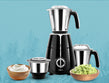
A mixer grinder can help prepare spice powders, chutneys or coconut-based mixtures when several dishes are being made. The appliance reduces manual grinding, while the cook still decides whether a mixture needs to remain coarse or become completely smooth.
Similarly, an induction cooktop can help when recipes require movement between different heat levels. This can be useful while roasting flour, simmering milk or handling sugar and jaggery mixtures where excessive heat can quickly alter the texture.
The appliance simplifies the task, but colour, aroma and consistency still tell the cook when the preparation is ready.
Why Do Families Return to the Same Recipes?
Festival recipes survive because repetition creates familiarity.
A family gradually learns:
-
what the dish should taste like
-
which texture indicates it is ready
-
how much should be prepared
-
which stages can happen in advance
-
which shortcuts affect the result
Those recipes also create continuity. Someone who once watched an older family member prepare a festive sweet may later make the same dish for another generation.
Cooking methods may change, but the recognisable flavours continue connecting the meal with the occasion.
The Festival Often Begins in the Kitchen
Food remains central to Indian festivals because it combines seasonality, regional identity, preparation and sharing.
The recipes do not have to remain unchanged forever. Appliances may reduce manual effort, quantities may become smaller and families may adapt certain methods. What matters is preserving the characteristics that make the dish recognisable.
That is why food does not simply accompany Indian festivals. Preparing, serving and sharing it helps give the celebration its familiar rhythm.
FAQ
-
Why is food important during Indian festivals?
Food can be connected with rituals, seasonal ingredients, family gatherings and community sharing, making cooking and eating part of the celebration itself.
-
Why do festival foods differ across India?
Climate, local ingredients, regional cooking styles and community traditions influence what families prepare.
-
Why are sweets common during festivals?
Sweets work well for celebrations because they can often be prepared in batches, served to guests and shared with friends and relatives.
-
Can appliances be used for traditional festive recipes?
Yes. Appliances can simplify repetitive tasks such as grinding or heat management while the cook continues to control texture, timing and flavour.