Skip to content


This easy croissant recipe helps beginners make buttery, flaky croissants at home without rushing the process. The trick is to keep the butter cold, roll gently, rest the dough well, and bake only when the croissants look light, puffy, and ready.
The first time I tried making croissants at home, I expected bakery-style perfection and got buttery triangles with "character." But every batch taught me something useful: cold butter matters, thin rolling matters, and patience matters most.
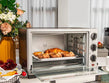
A homemade croissant recipe is not difficult because of fancy ingredients. It is difficult only because it asks you to slow down. A reliable baking appliance can make this feel much less intimidating. For example, an OTG can help with controlled baking, especially when you need steady heat for croissants to rise, puff, and turn evenly golden.
Ingredients You Need for a Beginner-Friendly Croissants Recipe
Here is a simple ingredient list that works well for first-timers.
-
All-purpose flour - 3 cups
-
Warm milk - ¾ cup
-
Sugar - 2 tbsp
-
Instant yeast - 2 tsp
-
Salt - 1 tsp
-
Unsalted butter for the dough - 2 tbsp
-
Cold unsalted butter for layering - 180 g
-
Egg for wash - 1
Use good-quality butter because croissants get most of their flavour from it. Also, avoid very soft butter for layering. It should be cold but flexible, almost like clay.
How to Make Croissants at Home
This is the easiest way to understand how to make croissants without getting overwhelmed.

Make the Dough
In a bowl, mix flour, sugar, yeast, salt, warm milk, and 2 tablespoons of butter. If you want to save time during prep, you can use a hand blender with whisking/kneading attachments, for the initial mixing before finishing the dough by hand. Cover it and let it rest for 1 to 1.5 hours, or until slightly puffed. Do not expect the dough to double dramatically. Croissant dough is richer than regular bread dough, so it rises a little more slowly.
Prepare the Butter Block
Place cold butter between two sheets of parchment paper. Roll it into a neat rectangle and chill it for 20–25 minutes.
This step is the backbone of any bread croissant recipe. The butter should stay as one even sheet, not break into hard chunks or melt into the dough.
Lock the Butter into the Dough
Roll the dough into a larger rectangle. Place the butter block in the centre and fold the dough over it like an envelope. Seal the edges gently.
Here is my tested tip: do not press too hard at this stage. If the butter cracks or leaks, the layers will become uneven.
Roll, Fold, and Chill
Roll the dough carefully into a long rectangle. Fold it into thirds like a letter. Cover and chill for 30 minutes.
Repeat this rolling and folding process two more times. This is called lamination, and it is what gives croissants their flaky layers. If your kitchen is warm, chill the dough longer. If the butter starts smearing, stop immediately and refrigerate it.
Read our homemade puff pastry recipe to understand how similar lamination techniques apply to other pastries.
Shaping the Croissants
Once the final chill is done, roll the dough into a large rectangle and cut it into long triangles.
To shape each croissant:
-
Stretch the triangle gently from the wider end.
-
Make a small slit at the base.
-
Roll from the base towards the tip.
-
Place it on a tray with the tip tucked underneath.
Leave enough space between each croissant because they will expand while proofing and baking.
Proofing and Baking the Croissants
Let the shaped croissants rest for 1.5 to 2 hours. They should look airy, soft, and slightly jiggly when you move the tray.
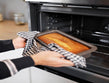
A 28L oven toaster grill, works well for this stage because it supports baking and temperature control, which are both important for getting flaky croissants instead of flat, underdone ones. Then reduce to 180°C and bake for another 12–15 minutes, or until golden brown. Do not open the oven too early. The steam inside helps the layers rise beautifully. See our guide on steps to use an OTG oven for temperature tips.
Beginner Mistakes to Avoid
Small mistakes can change the texture of croissants, so keep these points in mind.
-
Using melted butter: This removes the layers and makes the croissants dense.
-
Skipping chilling time: Warm dough is harder to roll and shape.
-
Rolling too aggressively: This can tear the dough and push butter out.
-
Under-proofing: The croissants may bake heavy instead of airy.
-
Overbaking or underbaking: Look for a deep golden colour, not pale yellow.
Quick Tips for Better Homemade Croissants
These small tricks improved my croissants recipe the most.
-
Use a ruler while rolling if you want even triangles.
-
Dust flour lightly; too much flour can dry the dough.
-
Chill the rolling pin for 10 minutes in hot weather.
-
Bake on parchment paper to prevent sticking.
-
Let croissants cool for 10 minutes before eating, even though the smell will test your patience.
Simple Filling Ideas for Beginners
Once you are comfortable with the basic bread croissant recipe, try these easy fillings:
-
Chocolate batons or dark chocolate pieces: Place a small baton or a few chocolate pieces near the wider end before rolling. The chocolate melts during baking, creating a rich and classic pain au chocolat-style centre.
-
Cinnamon sugar: Sprinkle a light layer of cinnamon sugar over the dough before shaping the croissant. This adds a warm, sweet flavour without making the pastry overly heavy.
-
Cheese and herbs: Add a small amount of grated cheese and a pinch of dried herbs before rolling. The combination creates a savoury croissant that pairs well with soups and salads.
-
Almond paste: Spread a thin layer of almond paste across the dough before shaping. It gives the croissant a nutty sweetness and a soft, flavorful filling.
-
Jam and cream cheese: Use a small spoonful of jam with a little cream cheese in the centre of the dough. The cream cheese balances the sweetness while adding a smooth, creamy texture.Keep fillings light. Too much filling can leak out and disturb the layers.
For more baking inspiration, see our OTG creative recipes and tips to bake cakes in an OTG.
A Buttery Bake That Feels Special
Learning how to make croissants at home is less about perfection and more about understanding the process. The first batch may not look like a Paris bakery display, but it will still smell incredible, taste buttery, and teach you something new.
With cold butter, patient folding, proper resting, and a well-lit kitchen setup, this homemade croissant recipe becomes completely beginner-friendly. And when you finally pull out a tray of golden, flaky croissants, the effort feels absolutely worth it.
Explore our OTG buying guide to find the right oven for your baking needs.