Skip to content


Making Punjabi kadhi pakora recipe at home is a cakewalk, until it exposes every small cooking mistake like curd splitting, raw besan taste, soggy pakoras, or inconsistent thickness. But, once you understand the technique and use steady, reliable heat and mixing, this classic comfort dish becomes surprisingly easy to master at home. The below kadhi pakora recipe breaks the process down clearly, so you know exactly how to make kadhi pakora that’s smooth, tangy, and deeply comforting every single time.
What Makes Punjabi Kadhi Pakora Special
Unlike lighter regional versions, Punjabi kadhi is:
-
Thick and slow-cooked, not watery
-
Pronounced tangy, thanks to the sour curd
-
Made with onion pakoras, simmered directly in the gravy
-
Finished with a bold ghee tempering
Ingredients You’ll Need for Punjabi Kadhi Pakora Recipe
Punjabi kadhi pakora comes together with simple, everyday ingredients, but the magic lies in how they’re balanced and cooked slowly.
For the Kadhi
-
Sour curd (full-fat works best)
-
Besan (gram flour)
-
Turmeric, red chilli powder
-
Salt
-
Water
For Pakoras
-
Onion (thinly sliced)
-
Besan
-
Ajwain or cumin
-
Red chilli powder
-
Salt
For Tempering
-
Ghee or oil
-
Mustard seeds, cumin seeds
-
Dried red chillies
-
Hing
Tip: Precise measurements and smooth blending matter more than fancy ingredients.
How to Prepare the Kadhi Base (No Lumps, No Splitting)
The foundation of a perfect Punjabi kadhi lies in its base. Getting the curd–besan mixture smooth and cooking it gently from the start is what prevents lumps, avoids curd splitting, and ensures a creamy, well-balanced kadhi every time.
Step 1: Blend the Curd and Besan
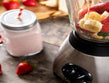
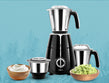
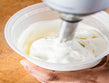
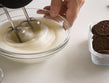
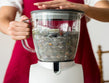
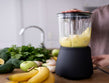
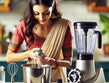
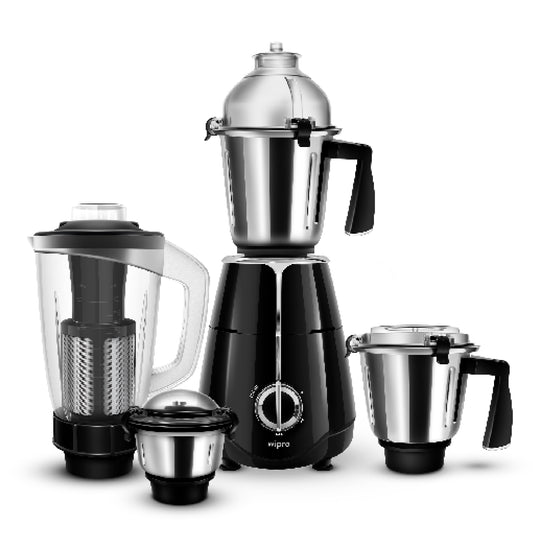
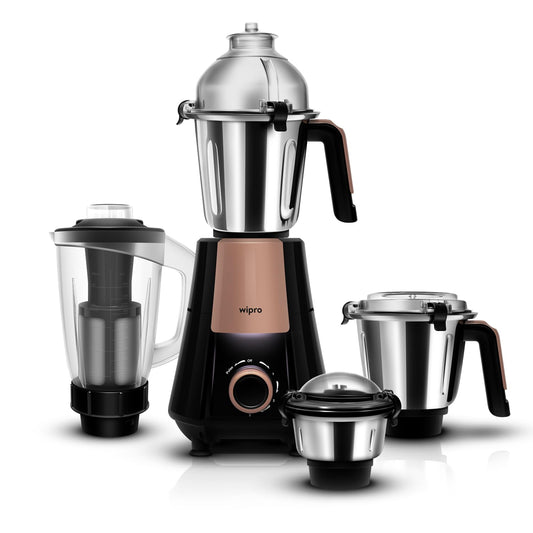
Whisking by hand often leaves raw besan pockets. Using a Wipro Mixer and Grinder helps blend curd, besan, turmeric, chilli powder, salt, and water into a completely smooth mixture within seconds; essential for a creamy kadhi.
Step 2: Temper Before Cooking
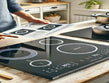
Heat oil in a heavy-bottom pot, add mustard seeds, cumin, hing, and curry leaves. Pour in the blended mixture while stirring continuously. Continuous stirring and even heat prevent curd separation. Induction cooktops with low-simmer control make this much easier to manage than guessing flame levels.
How to Make Soft Pakoras for Kadhi
Crispy on the outside, and soft on the inside, these onion-based pakoras are what give Punjabi kadhi its signature comfort. The key is a light batter and gentle frying, so the pakoras stay tender, absorb the kadhi beautifully, and don’t turn hard or chewy once simmered.
Pakora Batter Tips
-
Keep the batter thick but flowing: A thicker batter coats the onions well and helps pakoras stay soft instead of spreading or turning flat.
-
Don’t add water unless absolutely needed: Onions release moisture naturally, so adding extra water can make the pakoras oily and weak.
-
Let the batter rest for 5 minutes: Resting allows the besan to hydrate properly, resulting in lighter, softer pakoras after frying.
Frying Pakoras Correctly
Always fry pakoras on medium heat, not high, so they cook evenly from the inside without browning too fast. Drop small portions gently into hot oil and avoid overcrowding the pan, as this lowers the oil temperature and affects texture. Fry only until the pakoras turn light golden and just set; they should feel soft when pressed, and slightly crisp on the outside. These pakoras absorb the kadhi better and stay tender once simmered in the gravy, which is exactly what you want for Punjabi kadhi pakora.
Cooking Punjabi Kadhi the Right Way
Once the kadhi comes to a boil, it’s important to immediately lower the heat and let it simmer gently, uncovered, for about 35-45 minutes. This slow cooking phase is non-negotiable: stir the kadhi every 5-7 minutes to prevent it from sticking to the bottom or forming lumps.
Simmering patiently allows the besan to cook through completely, removing any raw taste and helping the kadhi thicken naturally. From a food science perspective, prolonged gentle heating allows starches in the besan to gelatinise evenly, which is what gives Punjabi kadhi its signature smooth, creamy texture.
When and How to Add Pakoras
Add the pakoras only after the kadhi has been simmering for at least 30 minutes, once the gravy has thickened and the raw besan taste has completely cooked out. Gently drop the pakoras into the kadhi and let them simmer for another 8-10 minutes, allowing them to soak up the tangy flavours without disintegrating. Avoid aggressive stirring at this stage. Light, occasional movement is enough, so the pakoras stay intact while turning soft, flavourful, and perfectly infused with the kadhi.
Tadka For Kadhi Pakora Recipe (Tempering That Makes All the Difference)
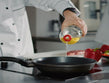
Heat ghee until smoking hot. Add dried red chillies, garlic (optional), cumin, and hing. Pour immediately over the kadhi and cover.
Using a Wipro Chimney helps manage smoke during high-heat tempering, keeping your kitchen comfortable while allowing authentic Punjabi tadka flavours.
What to Serve with Punjabi Kadhi Pakora
Punjabi kadhi pakora is best enjoyed with simple, comforting sides that let its flavours shine. Steamed rice or fragrant jeera rice pairs perfectly with the thick, tangy kadhi, helping balance its richness. A fresh onion salad adds crunch and sharpness, while a bit of pickle or crisp papad brings in contrast and texture. In fact, this kadhi pakora recipe tastes even better after resting for a few hours, as the flavours deepen and the pakoras soak up the gravy beautifully.
How Do Wipro Appliances Make Kadhi Pakora Recipe Easier at Home
Cooking kadhi is less about effort and more about control:
-
Mixer grinders ensure lump-free kadhi base
-
Induction cooktops maintain a steady simmering
-
Gas stoves allow precise flame adjustment
-
Chimneys make tempering stress-free
The right tools remove guesswork, letting technique shine.
Mastering The Punjabi Kadhi Pakora Recipe Without Stress
Perfecting how to make kadhi pakora requires patience, consistency, and control. With a clear method and dependable kitchen appliances, this beloved Punjabi kadhi pakora recipe becomes a repeat-worthy comfort meal rather than an occasional risk. Once you get it right, kadhi pakora stops being intimidating and starts feeling like home.
FAQs
-
Can I make kadhi pakora on an induction cooktop?
Yes. Induction cooktops offer precise temperature control, which is ideal for slow-simmering kadhi without curdling.
-
Why does my kadhi taste raw even after cooking?
Raw taste usually means the kadhi wasn’t simmered long enough. Besan needs at least 40 minutes of gentle cooking to lose its raw flavour.
-
Is a mixer grinder necessary for kadhi pakora?
Not mandatory, but highly recommended. A mixer grinder ensures smooth blending of curd and besan, preventing lumps and uneven texture.
-
Can pakoras be air-fried for kadhi?
Air-fried pakoras don’t absorb kadhi as well as shallow-fried ones, making the texture less authentic for Punjabi kadhi pakora.
-
Does chimney use really matter while making tadka?
Yes. High-heat tempering releases smoke and strong aromas; a chimney improves ventilation and makes cooking more comfortable.