Skip to content


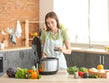
A soup maker can prepare far more than regular soup. You can use it for vegetable soups, protein-rich meals, sauces, purees, smoothies, plant-based drinks and dips; all while reducing cooking time, utensils and everyday effort.
A warm bowl of homemade soup feels comforting, but preparing it traditionally can involve chopping, sauteing, boiling, blending and washing several utensils. A soup maker simplifies these steps by cooking and blending ingredients in the same container.
That convenience also makes healthy cooking easier. Instead of depending on packaged mixes or ordering food, you can control the vegetables, seasoning, texture and quantity used in every meal.
How Do Soup Makers Work?
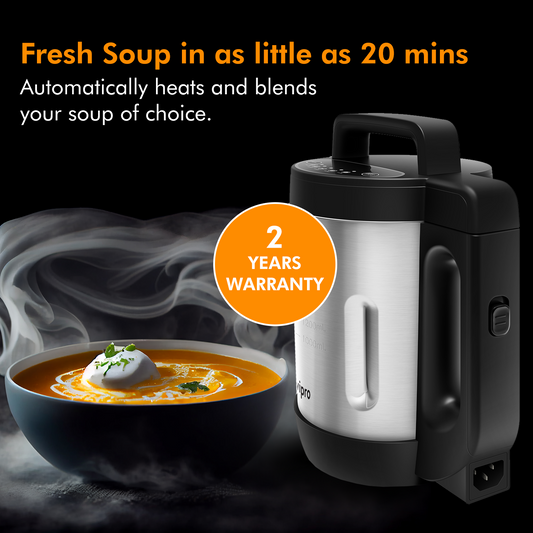
A soup maker combines a heating element, cooking jug and blending blade in one appliance. Once the ingredients and liquid are added, the selected programme heats, cooks and blends them to the required consistency.
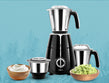
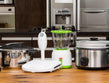
Some models offer separate settings for smooth soup, chunky soup, blending and cleaning. The Soup Maker is a 1.2-litre, 5-in-1 multifunctional processor designed for smooth and chunky soups, blending and drinks. It also includes a saute function, stainless-steel construction, a pure copper motor and safety features such as overfill protection and dry-burn prevention.
How to Use a Soup Maker Correctly
Before exploring its uses, here is a simple process to follow:
-
Chop ingredients into evenly sized pieces.
-
Add vegetables, seasoning and the recommended quantity of liquid.
-
Keep the contents below the maximum-fill marking.
-
Select the suitable smooth, chunky or blending programme.
-
Allow the cycle to finish before opening the lid.
-
Clean the jug and blades after the appliance cools.
Always check the product manual because ingredient quantities and programmes can differ between models.
Prepare Smooth Vegetable Soups
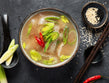
This is the most familiar use of a soup maker. Add tomatoes, carrots, pumpkin, spinach, peas or bottle gourd with stock and seasoning, then select the smooth setting. Because the ingredients are blended after cooking, you can achieve a creamy texture without adding large quantities of cream. Roasted garlic, herbs or a spoonful of seeds can introduce additional flavour.
Make Filling Chunky Soups
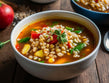
Not every soup needs to be completely blended. A chunky programme can prepare vegetable, lentil, bean or sweet corn soups with more bite and texture.
For a balanced meal, combine vegetables with cooked chickpeas, beans, lentils or shredded cooked chicken. Meat should be properly cleaned and cooked as directed in the appliance manual before being added.
Turn Leftover Vegetables into Healthy Meals
Small quantities of carrots, beans, cauliflower, peas and herbs often remain unused in the refrigerator. A soup maker can turn them into a practical mixed-vegetable soup instead of letting them go to waste.
Choose vegetables with compatible flavours, remove any spoiled portions and add fresh herbs or spices to brighten the taste.
Create Homemade Sauces
A soup maker can also blend cooked ingredients into smooth pasta, pizza or curry sauces. Tomatoes, onions, garlic, carrots and herbs can become a simple homemade tomato sauce.
Preparing sauces at home gives you greater control over salt, sugar and oil. It is also useful when you want to include more vegetables in everyday family meals.
Prepare Purees for Different Meals
Cooked carrots, peas, pumpkin, sweet potato or cauliflower can be turned into smooth purees. These may be served as side dishes, used as soup bases or added to gravies.
Purees can also help families adjust food texture for young children or elderly members. However, age-specific nutrition and food-safety guidance should always be followed.
Blend Smoothies and Cold Drinks
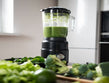
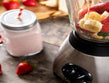
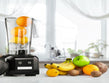
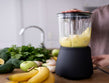
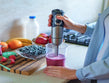
When the appliance includes a dedicated blending function, it may be used for fruit smoothies and other drinks without activating the heating programme.
Blend fruits with milk, yoghurt or water, and avoid filling beyond the marked limit. For harder ingredients, seeds or ice, first confirm whether the appliance manual permits their use.
Make Dips and Plant-Based Blends
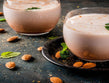
A blending programme can help prepare hummus-style dips, cooked bean spreads, tomato dips and certain plant-based drinks. Soaked and appropriately prepared nuts, oats or cooked legumes can be blended with water and seasoning.
The exact method will depend on the ingredients and the appliance instructions, particularly when straining or additional cooking is required.
How Does a Soup Maker Supports Healthier Cooking
Among modern kitchen appliances, a soup maker is especially useful for people who want convenient homemade meals. It encourages greater use of vegetables, pulses and fresh ingredients while allowing you to control salt, fats and consistency.
The best results still depend on sensible ingredient choices. Use fresh produce, include protein where suitable and avoid treating every creamy soup as an excuse to add excessive butter or cream.
Make Everyday Healthy Meals Less Complicated
A soup maker does not have to remain a single-purpose appliance. From breakfast smoothies and vegetable purees to filling soups and homemade sauces, it can support several parts of your daily menu.
Once you understand how to use a soup maker, it becomes easier to experiment with seasonal produce, leftovers and balanced one-jug meals without making healthy cooking feel like a lengthy project.
FAQs
-
Can raw vegetables go directly into a soup maker?
Yes, most vegetables can be added raw after washing, peeling where required and cutting them into small, even pieces. Follow the appliance’s recommended liquid level and programme instructions.
-
Does a soup maker cook and blend automatically?
Yes, automatic models heat and blend ingredients according to the selected programme. Smooth settings generally blend more thoroughly, while chunky settings retain more texture.
-
Can I put raw chicken in a soup maker?
This depends on the manufacturer’s instructions. For safer and more consistent results, use properly cooked chicken unless the appliance manual specifically states that raw meat can be fully cooked in the selected cycle.
-
Can a soup maker be used as a blender?
Models with a separate blending programme can prepare smoothies, purees and some dips. Do not process ice, hard nuts or very thick mixtures unless they are specifically permitted in the manual.
-
How do I stop ingredients from burning in a soup maker?
Add sufficient liquid, stay within the minimum and maximum markings, and avoid placing thick starches directly against the heated base. A model with dry-burn protection provides an additional layer of appliance safety.