Skip to content


Clean the jars promptly, avoid overloading, grind in short intervals and keep moisture away from the motor base. Consistent mixer grinder care prevents unnecessary strain, improves performance and may help the appliance serve your kitchen reliably for longer.
My mixer grinder usually handles the least glamorous but most frequent jobs in my kitchen. Morning chutney, soaked lentils, masala pastes, smoothies and the occasional stubborn batch of dry spices. It works so regularly, small signs of wear can be easy to overlook.
I have learnt that mixer grinder maintenance does not require complicated servicing every month. Most problems can be reduced by changing a few everyday habits. Here are the practices that have made the biggest difference for me.
Match the Jar to the Job
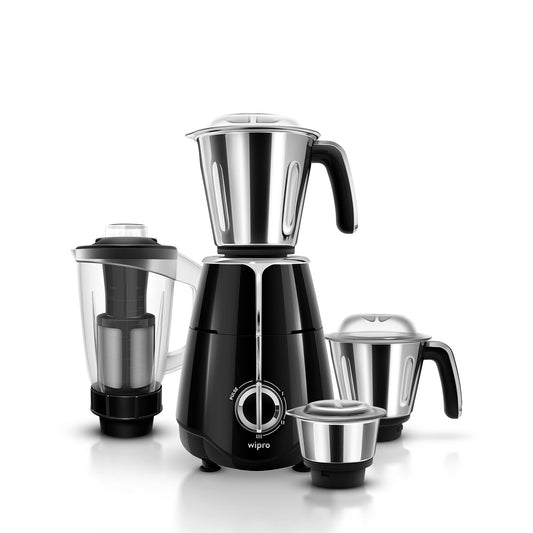
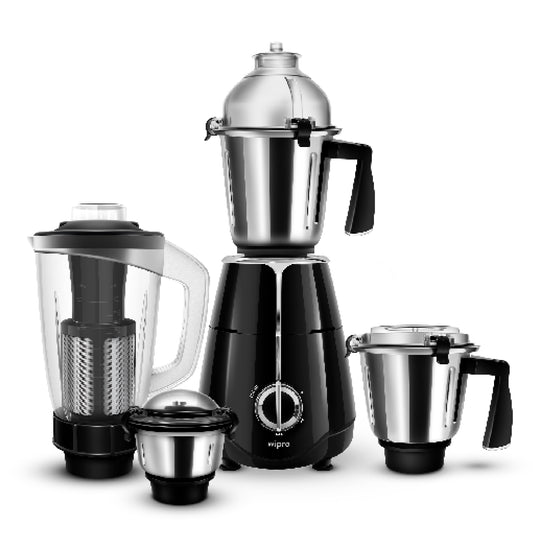
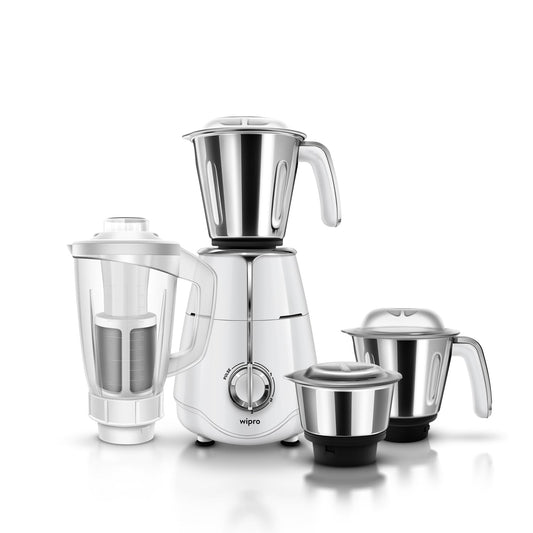
Using the wrong jar often makes the appliance work harder than necessary. A small chutney jar is suitable for compact quantities of spices, pastes and chutneys, while a larger liquidising jar gives ingredients enough room to circulate.
Before grinding, I quickly ask:
-
Is the jar large enough for the quantity?
-
Is it designed for wet or dry grinding?
-
Can the ingredients move around the blades freely?
Avoid Filling the Jar to the Top
Overfilling was one of my earliest mistakes. I assumed that processing everything in one round would save time. Instead, the blades moved unevenly, ingredients remained partly unprocessed and the motor sounded noticeably strained.
For better mixer grinder care, leave sufficient space inside the jar. Dividing a large quantity into two smaller batches generally produces a finer texture and places less pressure on the motor.
This is especially important when grinding:
-
Thick dosa or idli batter
-
Dry grains and spices
-
Nut pastes
-
Fibrous vegetables
-
Dense masala mixtures
Use Short Grinding Intervals
A mixer grinder should not be operated continuously simply because a recipe needs a smooth consistency. For demanding ingredients, I run it briefly, stop to scrape the sides and then restart.
These short pauses allow the ingredients to settle and give the motor a moment to cool. Pulse mode is also useful for spices, nuts and coarse mixtures because it offers better control without unnecessarily extending the operating time.
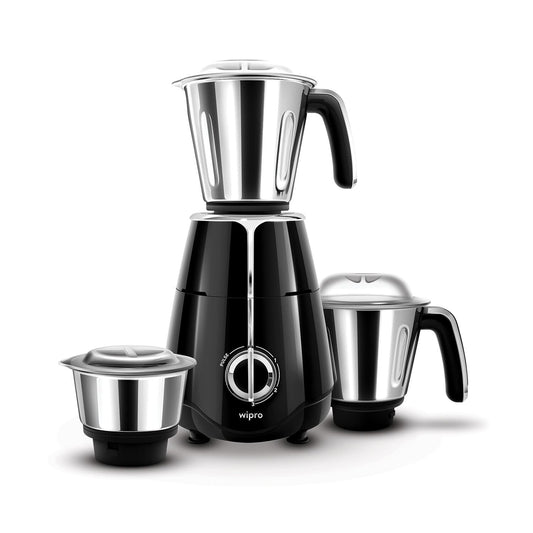
Choosing suitable motor power matters too. Wipro Appliances offers options such as the 800-Watt Mixer Grinder and the 1000-Watt Mixer Grinder for different preparation needs.
A comparison of 500W, 750W and 1000W mixer grinders can help users understand which capacity suits their cooking routine.
Let Hot Ingredients Cool First
I never transfer boiling gravy, soup or roasted masala directly into a closed grinding jar. Hot ingredients can generate steam and pressure, which may loosen the lid and cause splashing.
Allow cooked ingredients to cool until they are warm rather than steaming. Besides improving safety, this habit helps protect the jar, lid and sealing components from repeated exposure to extreme heat.
Clean the Jars Immediately
Dried chutney around the blades or masala trapped beneath the gasket becomes much harder to clean later. My simplest mixer grinder maintenance tip is to rinse the jar as soon as I finish using it.
For routine cleaning:
-
Unplug the appliance.
-
Rinse loose residue from the jar.
-
Add warm water and a small amount of mild dishwashing liquid.
-
Clean carefully around the blades with a brush.
-
Rinse and dry the jar completely.
Avoid putting your fingers near sharp blades. Also check the manufacturer’s instructions before placing jars or detachable components in a dishwasher.
Keep the Motor Base Dry
The jar can be washed, but the motor base cannot. I wipe the base with a soft, slightly damp cloth and immediately dry it. Water should never be poured over the appliance or allowed to enter its vents, switches or coupling area.
Among all kitchen appliances, a mixer grinder is particularly exposed to spills because wet ingredients are processed directly above the motor. Wiping drips promptly is one of the easiest ways to prevent avoidable damage.
Check the Gasket, Coupler and Blades
A small component can affect the performance of the entire appliance. Once every few weeks, I inspect the jar gasket for looseness or cracks and check whether the coupler looks worn.
Watch for:
-
Leakage beneath the jar
-
A loose or uneven blade
-
Excessive vibration
-
Difficulty locking the jar
-
Unusual scraping sounds
-
A burning smell during operation
Do not continue using the appliance when these signs appear. Replacement or professional inspection is safer than attempting to repair internal parts at home.
Store Every Part Completely Dry
After washing, I keep jars open until all moisture has evaporated. Closing a damp jar can create odours, stains and residue around the gasket. The power cord should also be loosely arranged rather than tightly wrapped around the motor base.
Store the mixer grinder on a dry, stable surface with enough space around its ventilation openings.
A Small Routine That Protects Everyday Performance
Good mixer grinder maintenance is largely about reducing unnecessary strain. Use the appropriate jar, process manageable quantities, allow cooling breaks and clean spills before they settle.
Wipro Appliances models are designed to support regular Indian food preparation, from chutneys and spice mixes to batters and shakes. Pairing a capable appliance with consistent mixer grinder care helps preserve smoother operation and dependable performance. A few mindful minutes after every use are far easier than dealing with a mixer grinder that stops working halfway through breakfast.