Skip to content


Not all mixer grinder blades are the same. Different mixer grinder blade types and uses are designed for specific tasks like grinding spices, making chutneys, or blending smoothies. Knowing the right Wipro Mixer grinder will helps you get better results.
A mixer grinder is one of the most versatile kitchen appliances in any home. But its performance depends heavily on choosing the right mixer grinder blade type.
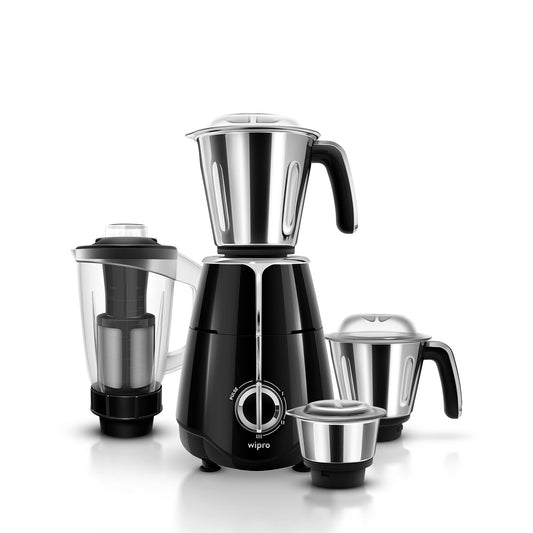
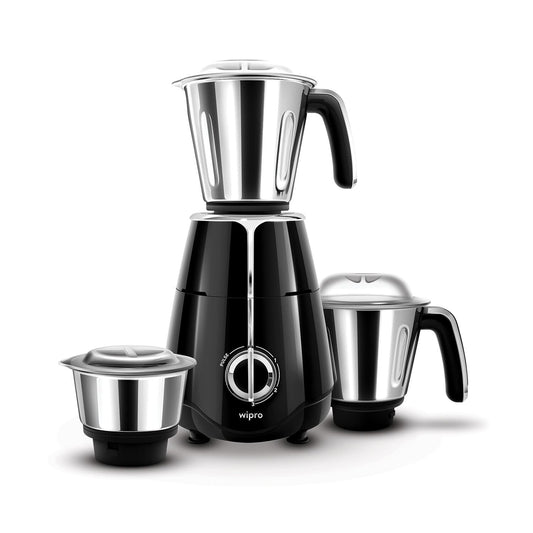
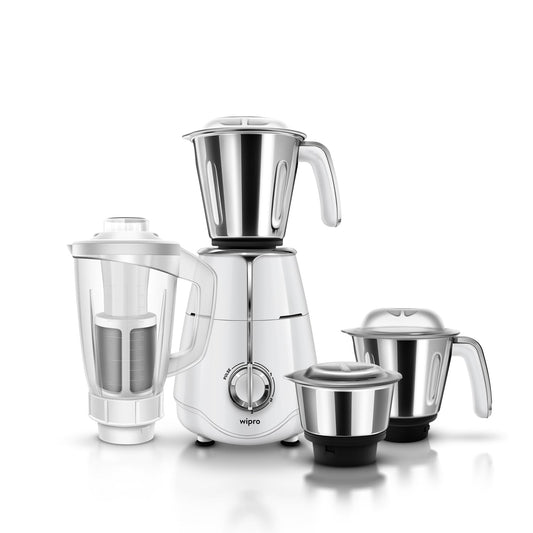
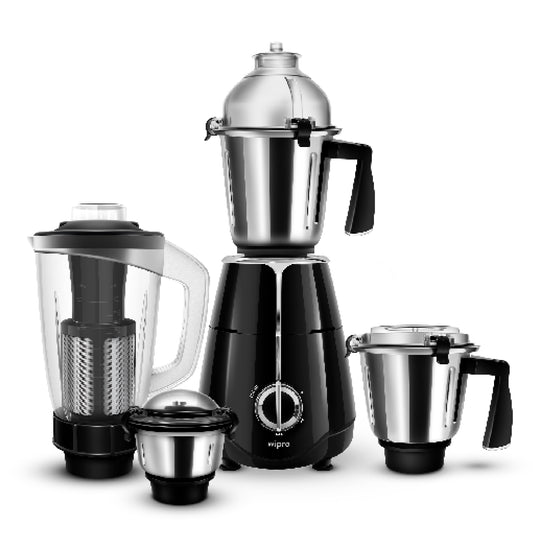
Whether you're preparing masalas, batters, or juices, each blade is engineered for a specific function. This is especially important when selecting from modern options like the Wipro Elato 1000W Mixer Grinder, which comes with multiple jars and blade configurations designed for Indian cooking needs.
Common Mixer Grinder Blade Types and Uses
Here's a clear breakdown of the most common types of mixer blades and how to use them effectively:
Wet Grinding Blade
The wet grinding blade is slightly blunt and sturdy, designed to crush soaked ingredients rather than cut them. This helps retain the natural texture and prevents overheating, which is crucial when preparing batters or rich gravies that require a smooth, consistent finish.
It is best used for:
-
Idli and dosa batter
-
Smooth gravies and curries
-
Purees and thick pastes
Dry Grinding Blade
This blade features sharp, angular edges that efficiently break down hard, dry ingredients into a fine powder. It delivers quick and uniform grinding, making it one of the most essential mixer blade types for everyday Indian cooking.
It is best used for:
-
Whole spices and masalas
-
Coffee beans
-
Dry chutney powders
Chutney Blade
Compact and sharp, the chutney blade is designed specifically for smaller jars. It ensures that even minimal ingredients are evenly processed without sticking to the sides, giving you a smooth and well-blended consistency every time.
It is best used for:
-
Coconut chutney
-
Green chutneys and herb pastes
-
Small-quantity grinding
Juicing / Blending Blade
This blade is engineered to create a strong vortex that pulls ingredients downward for seamless blending. It works best with liquids, ensuring a smooth, lump-free texture, ideal for modern kitchens focused on quick and healthy recipes. If you've explored different appliances in a mixer grinder buying guide, you'll notice this blade is essential for modern blending needs.
It is best used for:
-
Smoothies and shakes
-
Fresh juices
-
Protein drinks and milk-based blends
Multi-purpose Blade
As the name suggests, this blade strikes a balance between sharpness and durability. It can handle a variety of everyday tasks, making it a versatile option when you need quick results without switching between multiple blades.
It is best used for:
-
Chopping vegetables
-
Mixing batters
-
Coarse grinding tasks
Quick Comparison of Grinder Blade Types
A quick look at different mixer grinder blade types and uses helps you choose the right one instantly based on your cooking needs.
|
Blade Type |
Best Used For |
Result You Get |
|
Wet Grinding |
Batters, gravies, and soaked ingredients |
Smooth, thick, and lump-free consistency |
|
Dry Grinding |
Spices, masalas, coffee beans |
Fine, powdery texture with even grinding |
|
Chutney Blade |
Small portions, chutneys, herb pastes |
Thick, slightly coarse yet well-blended |
|
Juicing Blade |
Juices, smoothies, liquid blends |
Smooth, airy, and frothy finish |
|
Multi-purpose |
Chopping, mixing, coarse grinding |
Medium texture suitable for daily prep |
How to Choose the Right Blade
Choosing the right mixer grinder blade types and uses depends on your cooking habits.
-
Frequent Indian cooking? Prioritise wet and dry grinding blades
-
Health-focused lifestyle? Juicing blade is essential
-
Quick prep needs? The multi-purpose blade works best
If you're comparing appliances, exploring different types of mixer grinders can help you understand how blade combinations vary across models.
Tips to Use Mixer Grinder Blades Efficiently
-
Always match the blade with the jar size
-
Avoid overloading ingredients
-
Use pulse mode for better control
-
Clean blades immediately after use to maintain sharpness
Modern appliances like mixer grinders are designed to optimise these functions with powerful motors and durable stainless-steel blades.
Common Mistakes to Avoid
-
Using a dry grinding blade for wet ingredients
-
Overheating due to continuous grinding
-
Ignoring blade sharpness and maintenance
-
Using the wrong jar-blade combinations
These mistakes can affect both performance and appliance life.
Make the Most of Your Mixer Grinder
Understanding types of mixer blades transforms how you cook. It improves texture, saves time, and ensures consistent results. With the right knowledge of mixer grinder blade types and uses, even everyday recipes feel easier and more efficient.
FAQs
-
Which blade is best for grinding spices in a mixer grinder?
The dry grinding blade is ideal as it is designed to handle hard ingredients and produce fine powder quickly.
-
Can I use the same blade for wet and dry grinding?
It's not recommended. Different grinder blade types are designed for specific textures, and using the wrong one can affect results and damage the blade.
-
How do I know which blade comes with my mixer grinder?
Most modern mixer grinders, including Wipro models, come with labelled jars and blades. You can also refer to the user manual for clarity.
-
Why is my mixer grinder not grinding smoothly?
It could be due to using the wrong mixer grinder blade type, overloading the jar, or dull blades that need cleaning or replacement.
-
How often should mixer grinder blades be replaced?
With regular use, blades may need replacement every 1–2 years, depending on usage and maintenance. Sharp blades ensure better efficiency and safety.