Skip to content


Ramen food has evolved far beyond instant packets and late-night cravings. Today, a consciously prepared ramen bowl recipe can be nourishing, balanced, and deeply satisfying. With the right ingredients and modern kitchen appliances, you can enjoy restaurant-style ramen dishes at home, without excess sodium, preservatives, or oil. This guide walks you through making ramen that is wholesome, flavour-packed, and perfectly suited for everyday cooking.
Why Homemade Ramen Is a Healthier Choice
Store-bought ramen often contains extremely high sodium levels and refined oils. An average instant ramen can contain over 1,800 mg of sodium per serving - nearly 75% of daily intake, as per Harvard School of Public Health. A homemade ramen recipe gives you full control over salt, fat, protein quality, and vegetables, making it ideal for conscious eaters.
Using fresh broth, whole ingredients, and energy-efficient appliances available on the Wipro Appliances website, healthy ramen can be both practical and enjoyable.
Building Blocks of a Healthy Ramen Bowl Recipe
A healthy ramen bowl recipe starts with its core components. When each element is chosen mindfully, ramen transforms from a comfort indulgence into a balanced, nourishing meal. Before cooking, it’s important to understand what makes ramen dishes nourishing rather than heavy.
-
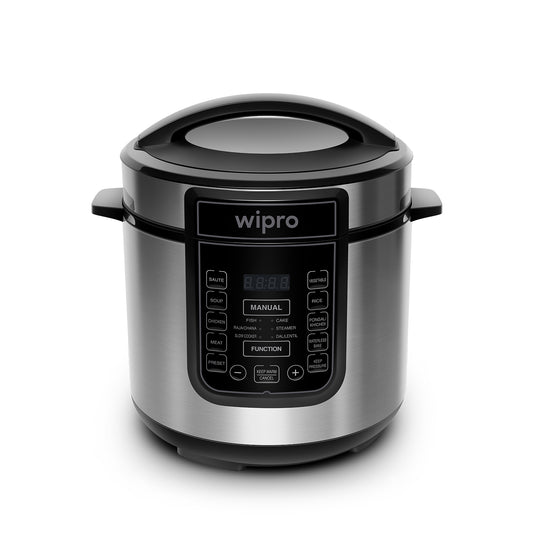
Clean, Nutrient-Rich Broth: A good broth is the soul of ramen food. Opt for vegetable, chicken, or mushroom-based broths simmered with garlic, ginger, onions, and spring onions. Using an electric pressure cooker or Instant Pot reduces cooking time while efficiently extracting deeper flavours and nutrients.
-
Smarter Noodles: Choose whole-wheat, millet, or rice noodles instead of refined-flour varieties. These offer better fibre content and digestibility, keeping your ramen bowl recipe light yet filling.
-
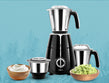
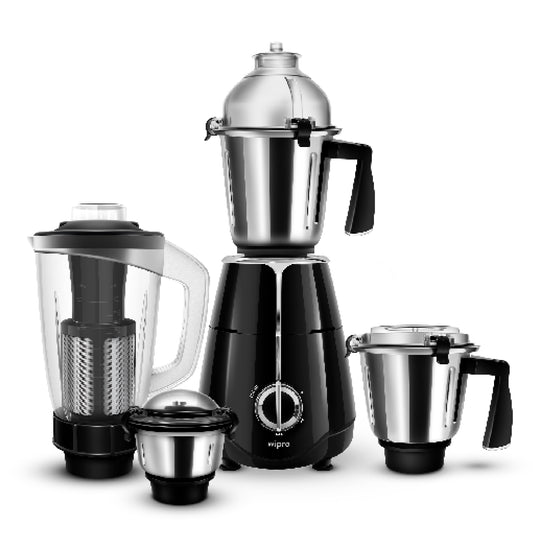
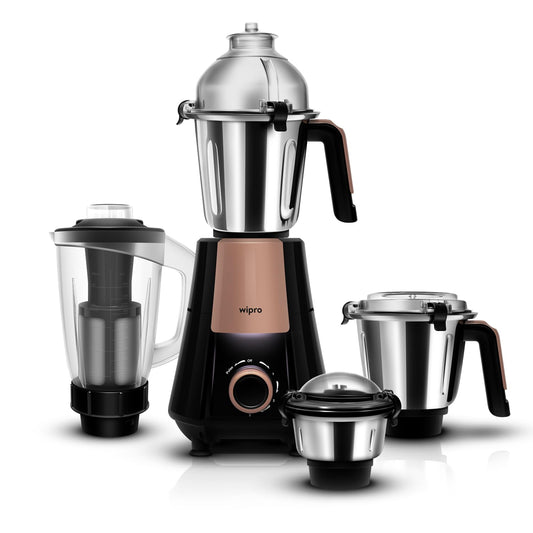
Balanced Toppings: Add lean proteins like tofu, eggs, or shredded chicken, along with vegetables such as spinach, bok choy, carrots, and mushrooms. A mixer and grinder can help prepare smooth pastes or sauces for added flavour without artificial additives.
Ingredients for a Healthy Ramen Bowl
Using fresh ingredients is the foundation of a nourishing ramen bowl. These essentials balance flavour, texture, and nutrition while keeping the ramen light, satisfying, and wholesome. Here’s a list of what you’ll need to make a healthy, wholesome ramen bowl.
-
Whole wheat, millet, or rice ramen noodles
-
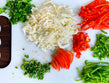
Fresh vegetables - spring onions, carrots, spinach, bok choy, mushrooms, or any vegetable of your choice.
-
Garlic cloves and fresh ginger
-
Vegetable stock or chicken stock (low sodium)
-
Lean protein - tofu, boiled eggs, or shredded chicken
-
Sesame oil (small quantity for flavour)
-
Soy sauce or tamari (low sodium)
-
Miso paste or natural seasoning paste (optional)
-
Salt and pepper, to taste
-
Water for broth preparation
How to Make Ramen at Home: Step-by-Step
Making ramen at home is simpler than it seems when broken into clear steps. With fresh ingredients and the right kitchen appliances, you can build a flavourful, healthy ramen bowl with ease and consistency.
Step 1: Prepare the Broth
Start by adding fresh vegetables, aromatics like garlic and ginger, and protein bones (if using) into a pot. Cook for about 20-25 minutes to extract deep flavours and essential nutrients efficiently. Open cooking helps retain minerals that are often lost during high heat cooking.
Step 2: Cook Noodles Separately
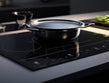
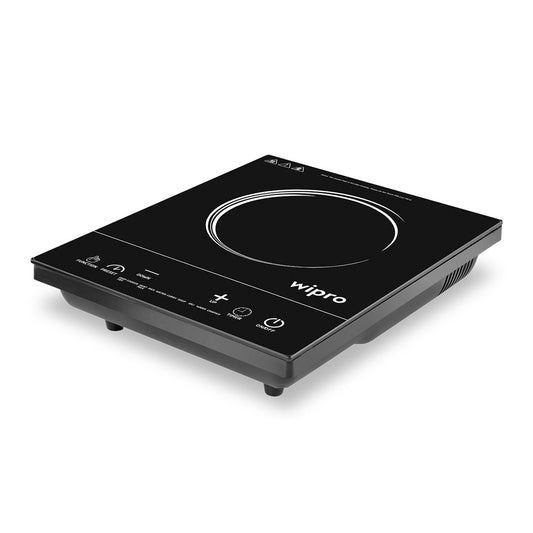
Boil the noodles in a separate pot using an induction cooktop for precise heat control and faster cooking. Cooking noodles separately prevents excess starch from thickening the broth and ensures the noodles stay springy and light. This step is key to achieving a clean, restaurant-style ramen texture.
Step 3: Prepare Toppings Efficiently
Use a food processor to evenly chop vegetables or knead fresh noodle dough if you’re making it from scratch. Uniform cuts help vegetables cook evenly while improving the overall look of the ramen bowl. This approach also saves time and maintains hygiene during preparation.
Step 4: Assemble the Ramen Bowl
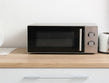
Place cooked noodles into a bowl, pour the hot broth over them, and arrange the toppings neatly on top. If serving later, reheat the broth or assembled bowl in a microwave oven using controlled settings to maintain moisture without overcooking. This ensures the ramen remains comforting and flavourful until the last spoonful.
Appliance-Assisted Cooking for Better Results
Modern appliances simplify healthy cooking while enhancing consistency and safety. These appliances, available through Wipro Appliances, make everyday ramen dishes achievable even on busy schedules.
-
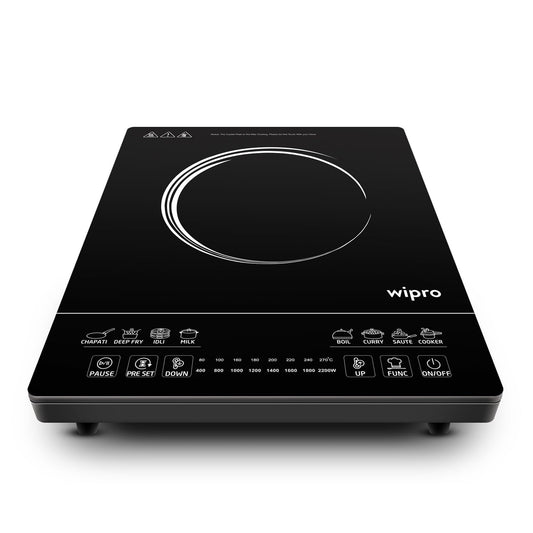
Induction cooktops: Induction cooktops heat cookware directly, allowing faster boiling and precise temperature control. This not only saves energy compared to gas but also helps maintain the ideal texture of noodles and broth.
-
Food processors and mixer grinders: These appliances streamline chopping, blending, and grinding, significantly reducing preparation time. They also ensure uniform results and improved hygiene by minimising manual handling of ingredients.
-
Microwave ovens: When used correctly, they enable quick and even reheating with minimal moisture loss. This makes them ideal for warming ramen broth or leftovers without compromising nutrients or flavour.
Comfort and Nutrition on Your Plate
Healthy ramen is about indulgence and healthy choices. When prepared with fresh ingredients and supported by reliable kitchen appliances, a homemade ramen recipe becomes a warm, nourishing experience. With the right tools and techniques, ramen food fits effortlessly into a balanced lifestyle.
FAQs
-
Is an Instant Pot or pressure cooker better for healthy ramen broth?
Both work efficiently, but a pressure cooker or Instant Pot helps extract flavours and nutrients faster while using less energy, making it ideal for clean, homemade ramen broths.
-
Can a food processor be used to mix ramen dough?
Yes, a food processor ensures consistent mixing and kneading, saving time and producing smooth, elastic dough for fresh ramen noodles.
-
How does an induction cooktop improve ramen cooking?
Induction cooktops provide precise temperature control, preventing overboiling and ensuring noodles and broth cook evenly without nutrient loss.
-
Is a mixer grinder useful for ramen recipes?
Absolutely. A mixer grinder helps create smooth spice pastes, miso blends, and flavoured oils that enhance ramen dishes without packaged seasonings.
-
Can a microwave oven be used to reheat ramen without ruining texture?
Yes, reheating ramen in a microwave oven with controlled settings preserves moisture and prevents overcooking, especially when broth and noodles are stored separately.