Skip to content


The difference between a crisp cheese corn sandwich and a soggy one is mostly decided before grilling. Cool and drain the corn, keep the filling thick rather than saucy, protect the bread with a thin layer of butter and avoid overfilling. Then use steady heat so the bread can brown while the cheese melts inside.
A cheese corn sandwich can lose its crispness before it even reaches the grill. Warm corn releases steam, excess mayonnaise seeps into the bread, and an overloaded centre often escapes before the cheese has had time to melt.
The easier way to manage it is to think of the sandwich as three separate parts: a filling that stays together, bread protected from moisture and enough heat to crisp the outside. Each layer has one job, and that makes the final result much more predictable.
The Sandwich Works Best When Each Layer Has a Job
The contrast matters: crisp bread outside, creamy filling inside.
Three small decisions help create it:
• Cool and drain the corn completely.
• Keep the filling thick enough to sit on a spoon.
• Create a light barrier between the bread and the moist filling.
The same principle works for a grilled cheese sandwich or other filled toasties: more filling does not automatically make a better sandwich if the bread cannot stay crisp around it.
What Goes into the Filling?
For two sandwiches:
• 1 cup boiled sweet corn
• ½ cup grated cheese
• 2 tablespoons finely chopped capsicum
• 1 tablespoon finely chopped onion
• 1 tablespoon mayonnaise or thick hung curd
• ¼ teaspoon black pepper
• ¼ teaspoon chilli flakes
• A pinch of oregano or mixed herbs
• Salt as required
• 4 bread slices
• Butter for spreading
Drain the corn thoroughly and let it cool. Hot corn creates steam when mixed with cheese, which can soften the bread before grilling even begins.
For the onion and capsicum, a mini chopper by Wipro Appliances can shorten the prep when you want small, even pieces without spending much time at the chopping board. Its 400 ml bowl and stainless-steel blades are suited to compact vegetable-prep tasks. This is where kitchen appliances are most useful in a quick snack: they should remove a repetitive task rather than add another complicated step.
Build a Filling That Stays Where You Put It
Lightly crush a small portion of the corn with the back of a spoon while leaving the rest whole.
Then:
-
Add the finely chopped onion and capsicum.
-
Season with pepper, chilli flakes and herbs.
-
Add only a little salt because the cheese will contribute seasoning.
-
Mix in mayonnaise or hung curd gradually.
-
Fold the grated cheese in last.
The finished mixture should hold together on a spoon. If liquid begins collecting at the bottom of the bowl, it is already too wet for the bread.
Assemble from the Bread Inwards
Spread a very thin layer of butter on the inside of each bread slice before adding the filling. This creates a small barrier between the bread and corn mixture.
Keep the filling slightly away from the edges, then butter the outside lightly and evenly. Thick patches of butter can brown faster than the rest of the slice.
Do not press in extra filling just because there is space. A thick centre takes longer to heat, giving moisture more time to soften the bread.
Let the Bread Decide When the Sandwich Is Ready
Preheat before the sandwich goes in. Starting on a cold surface gives the filling time to release moisture before the exterior begins crisping.
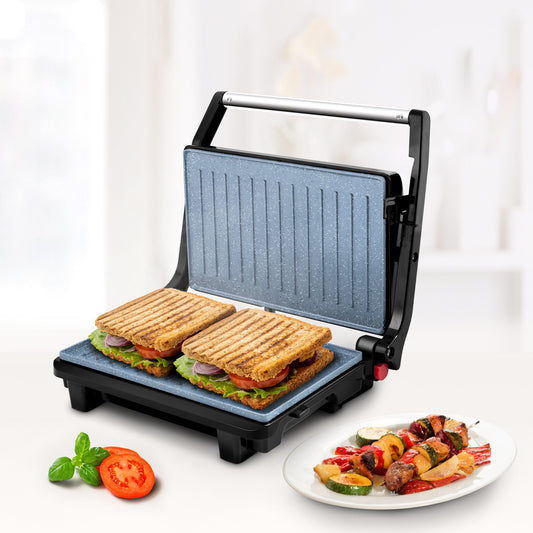
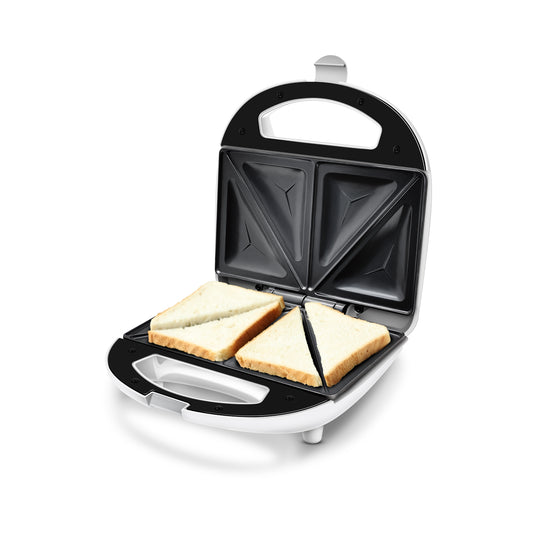
A sandwich maker by Wipro Appliances fits naturally here because its ceramic-coated plates provide a non-stick grilling surface, while the 1000W model supports quick heating and an automatic cut-off function.
When using a ceramic sandwich maker:
• Centre the sandwich on the plates.
• Lower the lid gently rather than forcing it shut.
• Give the bread time to set before checking.
• Remove it when the outside is evenly golden and the cheese has softened.
This moisture-and-spacing approach also carries over to other sandwich maker recipes with vegetable, paneer or cheese fillings: a controlled amount of filling generally grills more cleanly than an overloaded sandwich.
If using a pan instead, cook over medium-low heat. Cover briefly to help the cheese soften, then uncover so trapped steam can escape.
Give It One Minute Before Cutting
Do not slice the sandwich immediately after grilling.
A one-minute rest gives the melted cheese time to settle around the corn. Cut too soon and the filling can be pushed out; wait too long and steam begins softening the bread.
Use a serrated knife with a gentle sawing motion rather than pressing straight down.
Change the Filling, Keep the Moisture Rule
You can add jalapeño, grated carrot, spring onion or paneer, or use a thin spread of green chutney. Whatever variation you choose, keep the filling cool and avoid introducing unnecessary liquid.
Crispness Is Decided Before Grilling
The grill can brown the bread, but it cannot rescue a filling that is already too wet.
Cool the corn, use only enough binder to hold everything together, protect the bread and resist overfilling. Once those decisions are right, the heat only has to finish the job.
FAQs
-
Why does a cheese corn sandwich become soggy?
Warm corn, wet vegetables or too much mayonnaise can introduce excess moisture.
-
Can frozen corn be used?
Yes. Cook, drain and cool it completely before making the filling.
-
Which cheese works well?
Use a cheese that melts smoothly. Two varieties can also be combined for flavour and texture.
-
Can the filling be prepared earlier?
Yes. Refrigerate it without the cheese and fold the cheese in before assembling.
-
Can I make it without butter?
Yes. A little oil can be brushed onto the outside, although the flavour and browning will differ.