Skip to content


Good motichoor ladoo is soft, moist, and made with very fine boondi that still keeps its delicate texture. Instead of relying only on time, watch how the batter flows, how the boondi looks after frying, how the syrup feels, and how easily the mixture comes together in your palm.
Motichoor ladoo is a familiar part of festive spreads, puja plates, weddings, and family celebrations. A good motichoor ladoo recipe is not particularly complicated, but small changes in consistency can make a noticeable difference.
If you are learning how to make motichoor ladoo at home, the easiest approach is to pay attention to the small changes in texture and consistency at each stage. The batter, boondi, syrup, and final mixture all give you clear signs when they are ready.
What Should Good Motichoor Ladoo Be Like?
Before you start cooking, it helps to know the result you are aiming for.
A well-made motichoor ladoo should be:
-
Feel soft when lightly pressed
-
Hold its round shape without it becoming firm
-
Have fine, evenly sized boondi
-
Feel moist without releasing syrup
-
Break easily without crumbling
-
Still show the tiny boondi pearls inside
The ladoo should not feel like a tightly packed, smooth ball. Its fine boondi texture should remain noticeable.
Ingredients
Motichoor ladoo ingredients are simple, but using the right proportions is key to getting your boondi and syrup consistency right.
For the Boondi:
-
1 cup besan
-
Around ¾ cup water
-
A small pinch of orange or yellow food colour, optional
-
Oil or ghee for frying
For the Sugar Syrup:
-
1 cup sugar
-
½ cup water
-
¼ teaspoon cardamom powder
-
A few saffron strands, optional
-
A few drops of lemon juice
For Finishing:
-
1–2 teaspoons ghee
-
Chopped pistachios or almonds, optional
You will also need a fine perforated motichoor jhara or boondi ladle. Smaller holes are important because they produce the fine pearls that distinguish motichoor ladoo from regular boondi ladoo.
As you start cooking, keep an eye on how each part changes along the way. These small cues will tell you when the batter, boondi, syrup, and mixture are ready to move on.
Cue 1: Get the Batter to the Right Flow
Add the besan to a bowl and gradually whisk in the water. Add food colour now if you are using it.
The batter should be smooth and flowing, but not watery.
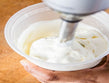
For a larger batch, a hand blender by Wipro Appliances can help bring the besan and water together into a smooth, lump-free batter. Blend only until evenly mixed, then check the consistency by hand before adding extra water.
Pour a little batter over the perforated ladle.
-
If it stays on top and needs pushing through, add water a teaspoon at a time.
-
If the batter flows through too quickly and the droplets spread, add a little more besan.
Look for: a clean fall of small droplets rather than thick blobs or watery streaks.
Cue 2: Look for Fine, Even Boondi
Heat oil or ghee over medium heat.
Hold the perforated ladle a few inches above the oil, pour a small amount of batter over it, and gently tap so the droplets fall through.
Do not crowd the kadai. Small batches make it easier to keep the boondi evenly cooked.
Motichoor boondi should not become crisp. Remove it once it has cooked through and is still soft.
-
If the boondi develops long tails, the batter may still be a little thick.
-
If the boondi starts turning brown almost immediately, lower the heat before frying the next batch.
Wipe the underside of the ladle before starting the next batch so dried batter does not block the holes.
Look for: tiny, evenly sized pearls that remain soft rather than crunchy.
Cue 3: Know When the Sugar Syrup Is Ready
Add sugar and water to a pan and heat until the sugar dissolves completely.
Let the syrup simmer gently. Add cardamom powder, saffron if using, and a few drops of lemon juice.
Take a little syrup on a spoon and allow it to cool slightly.
It should feel lightly sticky between your fingers but should still pour easily.
-
If it still feels very watery, cook it a little longer.
-
If it becomes heavy and very stringy, it has reduced too far.
Look for: a light, fluid syrup with just enough stickiness to coat and soak into the boondi.
Cue 4: Watch How the Boondi Absorbs the Syrup
Add the warm fried boondi to the warm syrup and mix gently.
Cover the pan and leave it for around 10–15 minutes.
When you first combine them, the boondi will still look loose. After resting, it should appear fuller, softer, and more connected as it absorbs the syrup.
Press a small amount between your fingers.
-
If the pearls remain dry and separate, give them a little more time.
-
If syrup is collecting at the bottom of the pan, leave the mixture uncovered briefly.
You do not need to grind the boondi completely. The fine motichoor boondi should already begin binding once it has absorbed enough syrup.
Look for: moist boondi that starts coming together while the individual pearls remain visible.
Cue 5: Shape the Ladoos While the Mixture Is Warm
Add 1–2 teaspoons of ghee to the soaked boondi and mix gently.
Now press a small portion in your palm.
-
If it holds together well, you can start shaping.
-
If it falls apart immediately, let the mixture rest a little longer.
-
If syrup comes out when you press it, leave the mixture uncovered for a few minutes.
Lightly grease your palms with ghee and gently roll the warm mixture into round ladoos.
Do not squeeze too firmly. Properly soaked boondi should come together easily.
Look for: a warm, soft mixture that holds its shape without sticking too much to your hands.
Complete Recipe at a Glance
-
Mix besan with water until you have a smooth, flowing batter.
-
Pass the batter through a fine perforated ladle into medium-hot oil.
-
Fry the boondi briefly so it remains soft.
-
Prepare a light sugar syrup with sugar, water, cardamom, and optional saffron.
-
Add the warm boondi to the warm syrup.
-
Cover and rest for 10–15 minutes until the boondi softens and comes together.
-
Mix in a little ghee.
-
Shape the mixture into ladoos while it is still slightly warm.
-
Garnish with pistachios, almonds, or saffron if preferred.
How to Finish, Serve and Store Motichoor Ladoo
Once the ladoos are shaped, let them rest for a little while before serving.
You can keep them plain or top them with pistachios, almonds, or a few strands of saffron. An electric chopper by Wipro Appliances can make it quicker to chop the nuts for garnish, especially when you are preparing a larger festive batch.
Remember: Keep the finished ladoos in a clean, airtight container. If the weather is hot, you can refrigerate them and take them out a little before serving so they are not too cold.
Put Together a Homemade Ladoo Platter for Your Festive Celebrations
Now that your motichoor ladoos are ready, why not add a few more homemade favourites? Here are a few ladoo recipes you can try alongside motichoor ladoos to add different flavours and textures to your festive celebrations:
-
Bring in a roasted, nutty flavour: Try a Besan Ladoo recipe for its rich flavour and slightly crumbly texture. It pairs nicely with your soft, syrup-soaked motichoor ladoos. Both recipes use besan, but the way you prepare it gives each sweet its own distinctive taste and texture.
-
Add another traditional favourite: A Churma ladoo recipe is a lovely choice for its rich flavour and grainy texture. It adds something different to the mix without being too similar to motichoor or besan ladoos.
-
Include a seasonal favourite for Lohri: Try a traditional Lohri ladoo recipe featuring sesame seeds, peanuts, and jaggery for a nutty, winter-inspired treat.
With these varieties alongside your motichoor ladoos, you'll have a lovely mix of flavours and textures for your family to enjoy. Since some of these recipes involve mixing ingredients, grinding nuts or preparing garnishes, you can use your everyday home appliances to help with those tasks. That way, putting together a few different homemade sweets feels a little more manageable.
FAQs
-
Why is my motichoor boondi too large?
The batter may be too thick, or the holes in your ladle may be too large. Use a fine perforated ladle and adjust the batter until it falls in tiny droplets.
-
Should motichoor boondi be crispy?
No. It should be cooked through but remain soft so it can absorb the sugar syrup properly.
-
Why are my motichoor ladoos becoming hard?
This issue can happen if you fry the boondi until crisp or if your sugar syrup becomes too thick.
-
Why is my motichoor ladoo mixture not holding together?
The boondi may need more time to absorb the syrup. Let it rest a few more minutes, then shape it while slightly warm.
-
Can I prepare motichoor ladoo ahead of a festival?
Yes. Once the ladoos have set, keep them in a clean, airtight container until you are ready to serve them.