Skip to content


A simple guide to how ceramic coatings work, why they matter, and how they enhance everyday cooking.
What Is Ceramic Non-Stick Cookware?
Ceramic non-stick cookware has become a popular choice in modern kitchens. It offers a smooth cooking surface, easy food release, and simple cleaning. But what makes it different from traditional non-stick surfaces?
At its core, ceramic non-stick cookware uses a silica-based coating derived from natural materials like sand. This coating is applied to a metal base, usually aluminium, and cured at high temperatures to create a hard, glass-like finish.
Unlike older non-stick technologies, ceramic coatings are free from certain synthetic chemicals traditionally associated with cookware. This makes them appealing to households that prefer cleaner, safer cooking solutions.
The Science Behind the Ceramic Coating
The term “ceramic” refers to the inorganic, mineral-based coating applied to the cookware surface.
Here is how it works:
● The coating is made from silica, which is transformed into a gel.
● This gel is sprayed or rolled onto the cookware surface.
● It is then cured at very high temperatures.
● The result is a smooth, hard, and heat-resistant layer.
This layer creates a low-friction surface. Food does not easily stick because the coating reduces microscopic pores where ingredients typically cling during cooking.
In simple terms, the smoother the surface, the easier the release.
Why Ceramic Surfaces Resist Sticking?
Sticking happens when food proteins bond with the surface of a pan. Ceramic coatings reduce this bonding due to:
● A smooth, sealed surface
● Low surface energy
● High heat stability
Because ceramic coatings can tolerate higher temperatures than many traditional non-stick layers, they maintain performance even during grilling or toasting.
This is especially useful in appliances like a ceramic sandwich maker, where direct heat and pressure are involved.
Heat Distribution and Cooking Performance
The coating is only one part of the equation. The base metal plays a major role in performance.
Most ceramic non-stick cookware uses aluminium underneath the ceramic layer. Aluminium heats quickly and distributes heat evenly. When combined with ceramic coating, this results in:
● Faster heat-up times
● Even browning
● Reduced hot spots
● Consistent cooking
In appliances like a ceramic-coated sandwich maker, even heat distribution ensures crisp outer layers while keeping the inside soft and evenly heated.
Durability and Heat Resistance
Ceramic coatings are cured at high temperatures during manufacturing. This makes them:
● Resistant to moderate scratching
● Stable under high heat
● Less prone to peeling when used correctly
However, durability also depends on usage habits. Using metal utensils or overheating cookware repeatedly may reduce coating life over time. Proper care significantly extends performance.
Safety and Non-Toxic Properties
One reason many households choose ceramic non-stick cookware is its non-toxic appeal.
Ceramic coatings are typically:
● Free from PFOA
● Free from PTFE
● Free from heavy metals
● Free from cadmium
Since ceramic coatings are inorganic and mineral-based, they do not release harmful fumes under normal cooking temperatures.
This makes them a suitable option for indoor grilling and toasting appliances, including a ceramic griller sandwich maker used for daily breakfast preparation.
Energy Efficiency and Faster Cooking
Because ceramic surfaces heat quickly and retain heat well, they help reduce overall cooking time.
This leads to:
● Lower energy consumption
● Faster meal preparation
● Improved efficiency in compact kitchen appliances
For example, a ceramic-coated sandwich maker with powerful heating elements ensures quick toasting while maintaining consistent browning.
The result is crisp sandwiches without excessive oil or butter.
Easy Cleaning and Maintenance
One of the biggest advantages of ceramic non-stick cookware is how easy it is to clean.
Since food does not strongly bond to the surface:
● Minimal oil is required
● Residue wipes off easily
● Less scrubbing is needed
Most ceramic plates in appliances can be cleaned with:
● A soft sponge
● Mild dish soap
● Warm water
Avoid harsh scrubbers to preserve the coating.
Applications Beyond Pans
Ceramic coatings are not limited to cookware like pans and kadais. They are increasingly used in:
● Grill plates
● Indoor grills
● Electric sandwich makers
● Panini presses
A ceramic sandwich maker offers the benefit of non-toxic cooking combined with efficient grilling.
Understanding Ceramic in Sandwich Makers
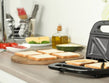
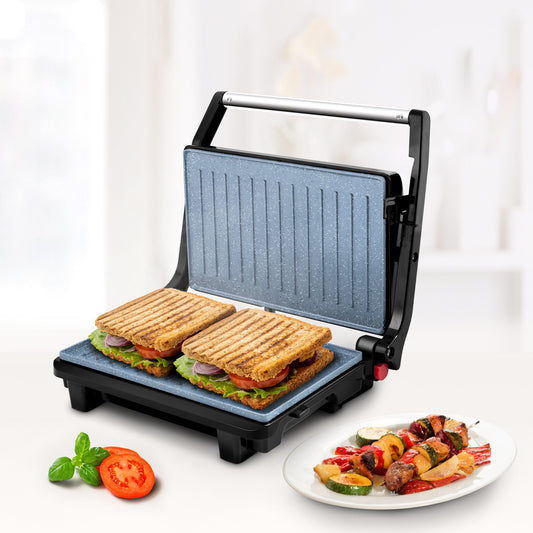
In a ceramic-coated sandwich maker, the cooking plates are layered with ceramic material to provide non-stick performance.
When you place bread, vegetables, or cheese inside:
● Heat transfers evenly across the plates
● Pressure seals and grills the sandwich
● The ceramic surface prevents sticking
● Cleanup becomes effortless
The science remains the same as ceramic cookware. The coating creates a hard, smooth, low-friction surface that improves cooking efficiency.
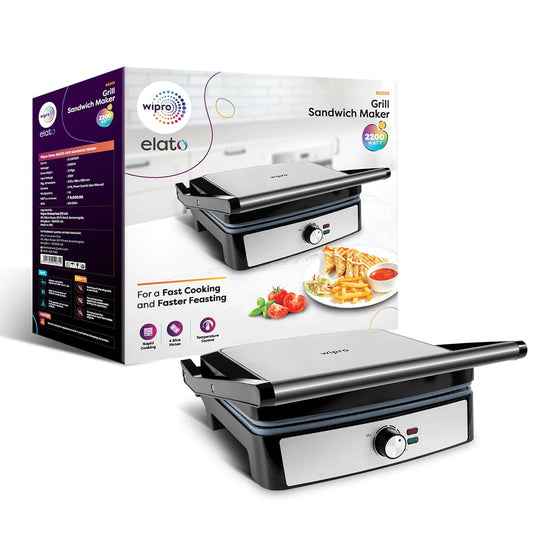
Wipro 1000-Watt Grill Sandwich Maker with Ceramic Plates for Healthier Cooking
For those who want the benefits of ceramic-coated technology in a compact kitchen appliance, here are the key product highlights.
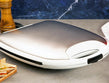
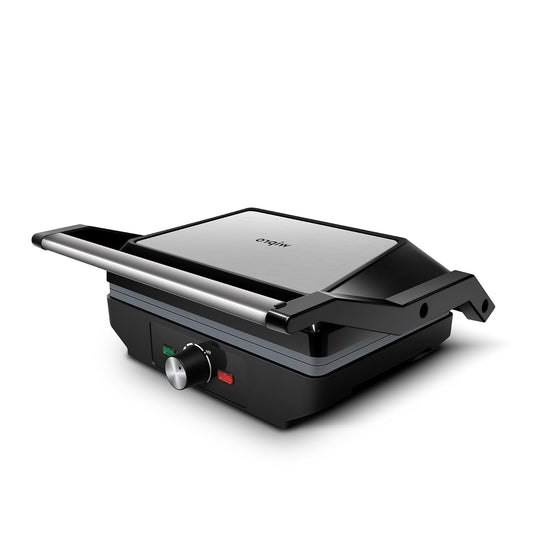
Wipro 1000-Watt Grill Sandwich Maker
This is a truly multifunctional grill sandwich maker that can be used to prepare:
● Sandwiches
● Panini
● Toast
● Roast items
● Smokeless indoor grill dishes
Key Features:
● Big size non-toxic ceramic plates measuring 230mm x 145mm
● Plates open up to 105 degrees for easy operation
● Can open up to 180 degrees for grilling
● Auto cut-off feature to prevent excessive burning
● Cool touch handle for safety
● Easy-to-clean non-stick grill surface
● Quick heat-up enabled by 1000-Watt power
The ceramic plates enhance performance by ensuring food release, even heating, and safer cooking.
Choosing the Right Ceramic Appliance
When selecting ceramic non-stick cookware or a ceramic sandwich maker, look for:
● High-quality ceramic coating
● Even heat distribution
● Adequate power rating
● Safety features like auto cut-off
● Easy-to-clean design
● Comfortable handling
The Wipro 1000-Watt Grill Sandwich Maker offers a good balance of power and efficiency for daily use.
The science of ceramic non-stick cookware lies in its mineral-based, high-temperature cured coating that creates a smooth, low-friction surface. This reduces sticking, improves heat efficiency, and makes cleaning easier.
Appliances like the Wipro 1000-Watt Grill Sandwich Maker use this technology to support healthier cooking with less oil, even heat distribution, and effortless cleanup, enhancing convenience and performance in modern kitchens.
FAQs
-
Is ceramic non-stick cookware safe for daily use?
Yes. Ceramic coatings are typically free from PFOA and PTFE and are considered safe for normal cooking temperatures.
-
Does ceramic coating last long?
With proper care, such as avoiding metal utensils and excessive overheating, ceramic surfaces can maintain performance for a long time.
-
Can I use less oil in a ceramic sandwich maker?
Yes. The smooth ceramic surface reduces sticking, so minimal oil is needed.
-
How do I clean a ceramic-coated sandwich maker?
Allow it to cool, then wipe with a soft sponge and mild soap. Avoid abrasive scrubbers.
-
What makes a ceramic-coated sandwich maker different from regular non-stick models?
Ceramic-coated models use mineral-based coatings that offer improved heat resistance, easier cleaning, and non-toxic surface properties.