Skip to content


Eating well at night doesn’t mean eating less; it means eating right. A well-planned low-calorie dinner supports digestion, improves sleep quality, and helps your body recover overnight. In fact, studies show that lighter, balanced dinners are linked to better metabolic health and improved sleep patterns. With smart low-calorie food for dinner and the right kitchen appliances, everyday wellness becomes surprisingly easy to maintain.
Why Do Low-Calorie Dinners Matter for Daily Wellness
Dinner is the one meal your body digests while you rest. Heavy, oily foods slow digestion and disrupt sleep, while lighter meals help your system reset overnight. The key is to choose balanced, low-calorie dinner ideas that feel satisfying without being heavy.
Benefits of low-calorie dinner meals include:
-
Easier digestion and reduced bloating
-
Better sleep quality and morning energy
-
Sustainable weight balance (not crash dieting)
-
Improved consistency with healthy eating
What Makes a Good Low-Calorie Dinner?
A good low-calorie food for dinner focuses on how you cook as much as what you cook. The key principles to follow are:
-
Vegetables first: Fibre-rich veggies keep you full with fewer calories
-
Lean protein: Helps muscle recovery and satiety
-
Minimal oil: Cooking method matters more than ingredients
-
Controlled portions: One-bowl or one-pan meals work best
Modern appliances help maintain consistency, especially on busy weekdays when portion control usually slips.
Easy Low-Calorie Dinner Ideas for Everyday Eating
These low-calorie dinner meals are practical, Indian-kitchen friendly, and ideal for regular consumption. These meals keep calories in check without compromising taste or comfort.
Light Indian Dinner Options

-
Vegetable dal with sautéed greens: Cook moong or masoor dal until soft and lightly temper it with minimal oil. Pair it with quickly sautéed spinach or methi on an induction cooktop. This combination is protein-rich, easy to digest, and keeps you full without feeling heavy at night.
-
Lauki, tori, or pumpkin sabzi with roti: Chop the vegetables and cook them with basic spices using minimal oil and controlled heat. These vegetables are naturally low in calories and high in water content, making them ideal low calorie food for dinner that support digestion and hydration.
-
Curd-based meals like kadhi or curd rice with vegetables: Whisk fresh curd with besan or mix it gently with cooked rice and steamed vegetables. Light curd-based meals calm the gut, provide probiotics, and work well as low-calorie dinner meals when eaten in moderate portions.
One-Bowl Low-Calorie Dinner Ideas

-
Vegetable soup with lentils or tofu: Boil seasonal vegetables and blend them into a smooth soup, adding lentils or tofu cubes for protein. This warm, comforting option is filling yet light, making it one of the easiest low-calorie dinner ideas for everyday wellness.
-
Soft khichdi with extra vegetables: Cook rice and dal together with plenty of vegetables and minimal ghee. Khichdi is gentle on digestion, balanced in nutrients, and ideal for days when your body needs nourishment without heaviness.
-
Steamed veggies tossed with spices: Steam vegetables like carrots, beans, and broccoli, then toss them lightly with salt, pepper, and jeera. Steaming keeps calories low while retaining nutrients, making this a clean and effective low-calorie food for dinner.
Protein-Rich Low-Calorie Food for Dinner

-
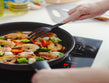
Paneer or tofu stir-fry: Lightly sauté paneer or tofu with vegetables using very little oil and controlled heat. This protein-rich meal supports muscle recovery and keeps you satiated longer without adding unnecessary calories.
-
Egg bhurji with minimal oil: Cook eggs with onions, tomatoes, and spices using a non-stick pan or induction cooktop. Eggs provide high-quality protein, making this a quick, satisfying, low-calorie dinner meal that doesn’t spike calories.
-
Sprouted moong or chana chaat: Boil sprouts lightly and toss them with chopped vegetables, lemon juice, and mild spices. This no-oil dish is rich in fibre and plant protein, helping improve digestion and making it ideal for regular low-calorie dinner ideas.
Choosing the Right Cooking Method and Appliance for Low-Calorie Dinner Meals
The way you cook can add or subtract hundreds of calories, often without you realising. Here’s a breakdown of the method and the appliance you can use in order to simplify your cooking.
|
Cooking Method |
What You Cook |
Appliance Used |
How You Do It |
Why It Helps |
|
Steaming |
Vegetables, grains, dumplings |
Wipro Elato Electric kettle / Soup maker |
Steam or boil vegetables and grains without adding oil |
Steaming uses zero oil and preserves vitamins, making it ideal for low-calorie food for dinner |
|
Air frying |
Cutlets, roasted vegetables, paneer |
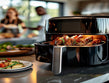
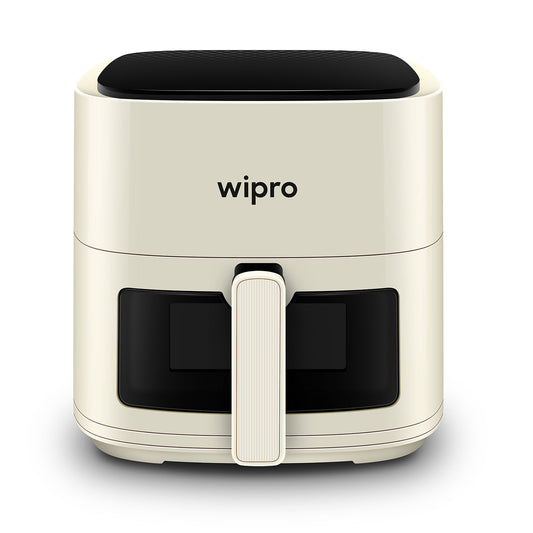
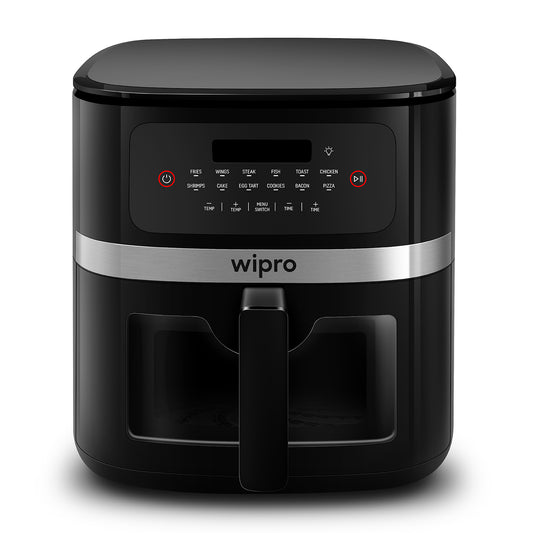
Wipro Vesta Air Fryer |
Brush food lightly with oil and air fry at a controlled temperature |
Delivers crisp texture with significantly less oil, reducing overall calorie intake |
|
Induction/ sautéing |
Sabzis, stir-fries, eggs |
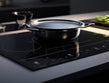
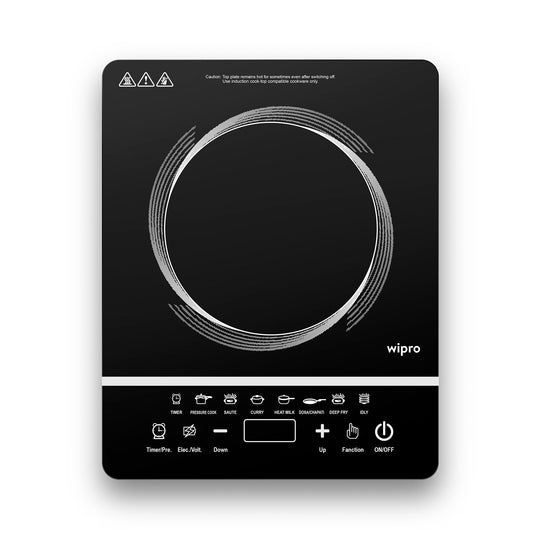
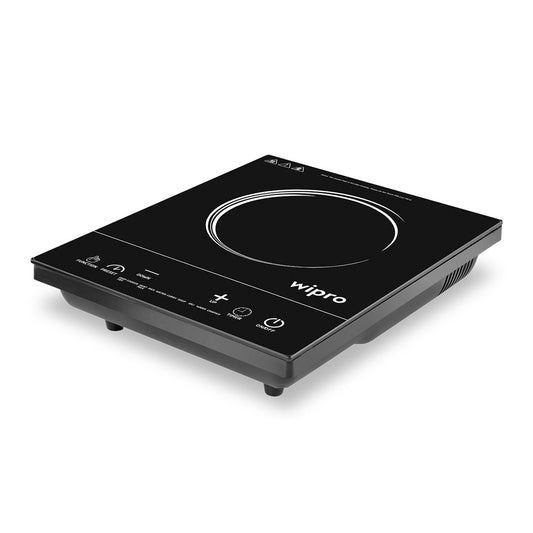
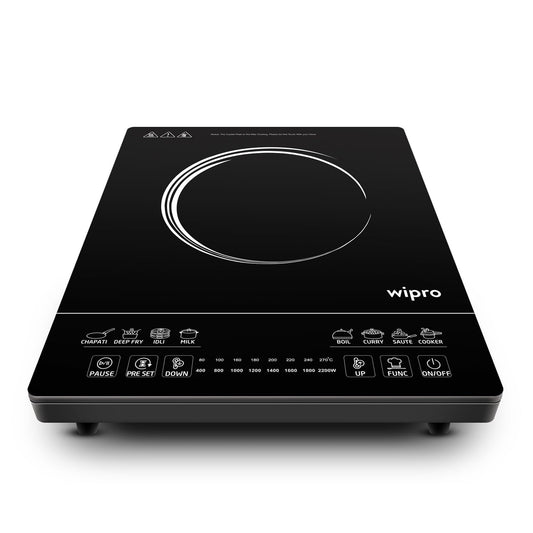
Wipro Induction Cooktop |
Sauté using minimal oil with precise temperature control |
Prevents oil overheating and absorption, keeping low-calorie dinner meals light and balanced |
|
Boiling & blending |
Soups, dals, khichdi |
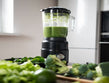
Mixer grinder + induction |
Boil ingredients evenly and blend if needed for smooth textures |
Helps create filling, one-bowl meals that are easy to digest and calorie-efficient |
Simple Tips to Stick to Low-Calorie Dinners Daily
Eating light at night isn’t about strict rules; it’s consistency that supports digestion and overall wellness. These simple tips make low-calorie dinner meals easier to follow every single day.
-
Eat at least 2–3 hours before bedtime: Finishing dinner early gives your body enough time to digest food properly, reducing bloating, acidity, and sleep disturbances.
-
Keep dinners warm, freshly cooked, and simple: Warm, freshly prepared meals are easier to digest and help you feel satisfied with smaller portions compared to cold or processed foods.
-
Avoid multi-dish meals at night: Limiting dinner to one main dish prevents overeating and keeps calorie intake under control without conscious restriction.
-
Focus on comfort, not complexity: Simple, familiar low-calorie food for dinner is more sustainable than elaborate recipes, making healthy eating easier to maintain long term.
Making Low-Calorie Dinners a Sustainable Habit
Low-calorie dinner ideas don’t need discipline or drastic changes; they need structure. When dinners are lighter, simply cooked, and made using the right methods, the body handles them better at night. Digestion becomes smoother, late-night discomfort reduces, and meals stop feeling like something you need to “recover” from the next morning.
Using appliances that control heat, reduce oil, and speed up prep removes daily friction from cooking, which is often the biggest barrier to eating well. Over time, these small, practical choices make low-calorie food for dinner less of an effort and more of a routine, something you can stick to even on busy weekdays.
FAQs
-
Is an air fryer good for low-calorie dinner meals?
Yes. Air fryers reduce oil usage significantly while still giving crispy textures, making them ideal for low-calorie dinner ideas.
-
Can induction cooktops help reduce calories while cooking?
Absolutely. Induction cooktops provide precise heat control, preventing oil overheating and excess fat absorption.
-
What appliances help make quick, low-calorie food for dinner?
Air fryers, induction cooktops, electric kettles, and mixer grinders help prepare light meals faster with better portion control.
-
Are one-pot appliances good for healthy dinners?
Yes. Soup makers and kettles allow you to cook light, balanced meals with minimal oil and cleanup.
-
Do mixer grinders really help with low-calorie cooking?
They do. Smooth soups, chutneys, and batters encourage home cooking and reduce reliance on packaged, high-calorie foods.