Skip to content


That unmistakable crackle of a dosa hitting a hot pan signals comfort, craft, and tradition. Crisp edges, a soft centre, and a mildly spiced potato filling define a great masala dosa recipe. With the right batter, controlled heat, and smart appliance support, this South Indian classic is easier to master than most home cooks expect. According to food fermentation studies by CSIR, India consumes over 30 million dosas daily across homes and restaurants, making it one of the most-consumed fermented foods in the country.
Why Does Technique Matter in a Good Masala Dosa Recipe
A perfect masala dosa is a study in precision. The batter must ferment just right, the pan must hold steady heat, and the potato filling should be flavourful without overpowering the dosa itself. Appliances like mixer and grinders, induction cooktops, and pressure cookers available across the Wipro Appliances range help bring consistency to what is otherwise a skill-driven dish.
Step 1: Preparing the Dosa Batter Recipe
A balanced dosa batter recipe is the backbone of perfect dosas. The right proportions, grinding method, and fermentation time together determine how light, crisp, and evenly cooked your dosa turns out.
Ingredients
-
Raw rice and parboiled rice
-
Urad dal
-
Fenugreek seeds
-
Water and salt
Method
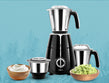
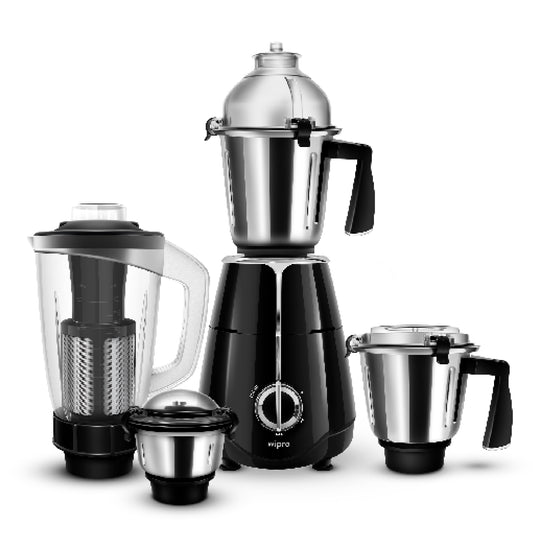
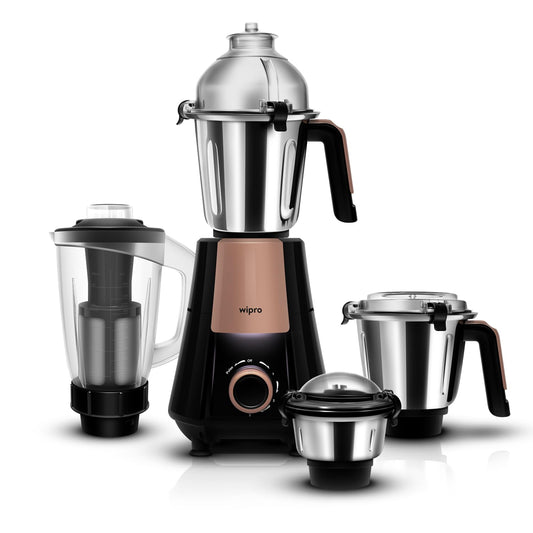
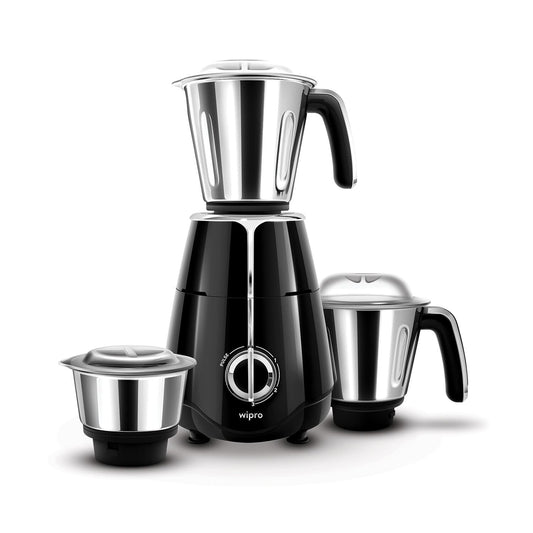
Soak rice and urad dal separately for 5-6 hours to ensure proper hydration and easier grinding. Drain and grind them together in a mixer and grinder using minimal water until the batter turns smooth and slightly airy. A high-speed grinder helps incorporate air, which supports better fermentation. Transfer the batter to a large bowl, add salt, and mix gently without deflating it. Allow it to ferment overnight in a warm environment until it rises, develops a mild tang, and shows tiny air bubbles. Well-fermented batter not only improves flavour and crispness but also enhances digestibility and mineral absorption.
Step 2: Making the Potato Filling (Masala)
The potato masala should complement the dosa and not overpower it. A good masala is mildly spiced, soft in texture, and evenly seasoned so it enhances the dosa without stealing the spotlight.
Ingredients
-
Boiled potatoes
-
Onions
-
Green chillies
-
Ginger
-
Mustard seeds, curry leaves
-
Turmeric and salt
Method
Boil the potatoes in an electric pressure cooker until they are just tender and easy to mash. Overcooking can make the filling gluey. Pressure cooking significantly cuts down cooking time while preserving the potato’s natural texture and nutrients. Heat oil on an induction cooktop and allow mustard seeds to splutter gently before adding curry leaves, ginger, green chillies, and sliced onions. Controlled heat ensures the aromatics soften evenly without browning too quickly. Stir in turmeric and mashed potatoes, adding a little water to achieve a soft, spreadable consistency that sits lightly inside the dosa.
Step 3: Heating the Pan the Right Way
Temperature control determines whether your dosa turns crisp or leathery. Heat a flat pan or tawa evenly on an induction cooktop, allowing precise temperature adjustments for dosas. Proper preheating prevents the batter from sticking and ensures uniform browning across the surface. The water-sizzle test helps confirm the pan is hot enough without being overheated.
Step 4: Spreading and Cooking the Dosa
Pour a ladle of the batter at the centre and spread it gently outward in thin, even circles. Drizzling oil around the edges helps the dosa crisp while keeping the centre soft. Cook on medium heat until the dosa loosens naturally from the pan, then add the potato masala and fold without pressing down to retain texture.
Step 5: Serving Suggestions
Masala dosa is best served fresh and hot for maximum crispness. Pair it with coconut chutney and sambar for balance and contrast. When cooking in batches, a microwave oven on low power helps keep dosas warm briefly without making them tough or dry.
Common Mistakes to Avoid
If your dosa isn’t turning out as expected, the issue is often minor and easy to fix. Even small missteps can affect the texture, flavour, and crispness of your dosa. Small adjustments, supported by the right appliances, make a big difference. Avoiding these common mistakes can significantly improve results.
-
Over-thick batter results in soft, pancake-like dosas. Thick batter doesn’t spread evenly and traps moisture, preventing proper crisping. Always adjust consistency with water so the batter flows easily across the pan.
-
Under-fermented batter lacks flavour and crispness. Insufficient fermentation means the batter hasn’t developed enough air and acidity. This results in flat-tasting dosas that remain pale and soft even after cooking.
-
Overheating the pan burns the dosa before it crisps. A pan that’s too hot causes the batter to cook unevenly and char quickly. Moderate, controlled heat allows the dosa to crisp gradually and release cleanly from the surface.
-
Excess filling makes folding difficult. Overloading the dosa with masala can tear the base and overpower the balance of flavours. Use just enough filling to spread evenly without weighing the dosa down.
Mastering Masala Dosa at Home
Masala dosa is a lesson in balance between fermentation and heat, softness and crunch. When traditional techniques meet modern appliances like induction cooktops, mixer grinders, and pressure cookers from the Wipro Appliances ecosystem, consistency becomes effortless. Master the method once, and masala dosa becomes a reliable, repeat-worthy favourite at home.
FAQs
-
What are some common mistakes when making potato masala?
Overcooking potatoes makes the filling gluey, while under-seasoning makes it bland. Always sauté spices properly before adding potatoes to build depth of flavour.
-
Which pan is used for dosa?
A flat cast-iron or non-stick tawa works best. Even heating is crucial, which is easier to manage on an induction cooktop.
-
Can I grind dosa batter in a mixer grinder instead of a wet grinder?
Yes. A high-powered mixer grinder produces smooth batter efficiently for home quantities, especially when grinding in intervals to avoid overheating.
-
Is a pressure cooker suitable for boiling potatoes for masala dosa?
Absolutely. Pressure cookers ensure evenly cooked potatoes with minimal water, preserving texture and nutrients.
-
Can I reheat dosa or masala using a microwave oven?
Yes, in short bursts on low power. This prevents drying and helps retain softness without overcooking.