Skip to content


Preheat the OTG properly, use the correct heating mode, place the tin on the middle rack and avoid opening the door too early. A few small adjustments can turn an uneven first attempt into a soft, well-risen homemade cake.
The first time I tried baking a cake in an OTG, I followed the recipe perfectly, or so I thought. The batter looked smooth, the tin was prepared, and the timer was set. Yet the cake came out brown on top, sticky in the centre and slightly burnt underneath.
That attempt taught me something important: baking is not only about the recipe. Understanding how your oven toaster griller heats is equally important. Once I learnt where to place the tin, how long to preheat and when to check the cake, the results became far more consistent.
What Do You Need Before Baking?
You do not need professional baking equipment to make a good OTG cake. Keep the following basics ready:
-
A 6 or 7 inch aluminium cake tin
-
Mixing bowls and a whisk
-
Measuring cups and spoons
-
A spatula
-
Butter paper or parchment paper
-
A cooling rack or large plate
-
An OTG with temperature and heating-mode controls
I prefer aluminium tins because they heat more predictably than thick glass containers. Dark-coloured tins may brown the sides faster, so begin checking the cake slightly earlier when using one.
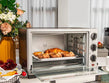
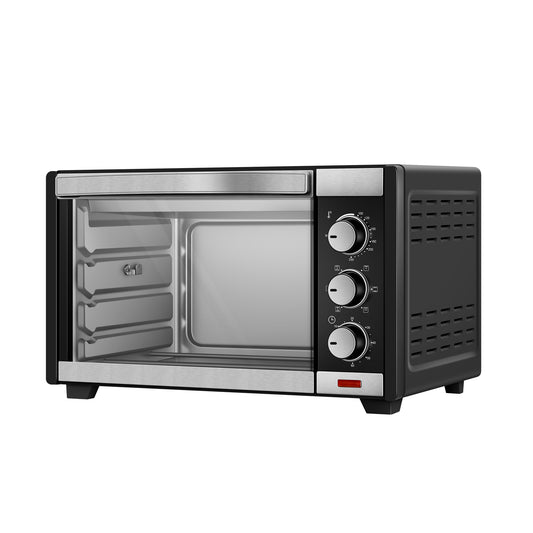
For frequent home baking, an OTG can be one of the more versatile kitchen appliances because the same unit can also toast bread, roast vegetables and grill snacks. Th e Wipro Appliances range, for instance, includes the 28 L OTG, which provides adjustable heating options suitable for different cooking tasks.
A Simple Vanilla Cake Recipe for Beginners
This is the recipe I usually recommend when someone asks how to make a cake in OTG for the first time.
Ingredients
-
Maida – 1½ cups
-
Baking powder – 1½ teaspoons
-
Baking soda – ¼ teaspoon
-
Salt – A pinch
-
Butter – ½ cup
-
Powdered sugar – ¾ cup
-
Eggs – 2
-
Milk – ½ cup
-
Vanilla essence – 1 teaspoon
Keep the butter, eggs and milk at room temperature. Cold ingredients do not combine as smoothly and may leave the batter looking curdled.
How to Prepare the Cake Batter
-
Grease the cake tin lightly and line its base with butter paper. Sift the flour, baking powder, baking soda, and salt together. Sifting removes lumps and distributes the raising agents evenly.
-
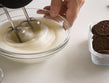
In another bowl, beat the softened butter and sugar until the mixture looks pale and creamy. Add the eggs one at a time, mixing after every addition. Stir in the vanilla.
-
Now add the dry ingredients in two or three batches, alternating them with the milk. Fold gently instead of beating continuously. Overmixing develops too much gluten and can make the cake dense.
-
The batter should fall from the spatula in a thick ribbon. If it looks unusually stiff, add one or two tablespoons of milk rather than pouring in too much at once.
How to Bake Cake in OTG Step by Step
Knowing how to bake cake in OTG mainly c omes down to controlling heat and timing.
-
Preheat the OTG: Set it to 170°C for around 10–15 minutes. Use both the upper and lower heating rods unless your recipe or appliance manual suggests otherwise.
-
Position the rack correctly: Place the wire rack in the middle or slightly lower-middle position. Keeping the tin too close to the upper rod may brown the top before the centre cooks.
-
Fill the tin carefully: Pour in the batter and gently tap the tin once or twice to release large air bubbles. Do not fill it beyond two-thirds of its capacity.
-
Start baking: Place the tin in the preheated OTG and bake for approximately 30–40 minutes. The exact time will depend on the tin size, batter depth, and OTG capacity.
-
Do not open the door early: Avoid opening the OTG during the first 25 minutes. A sudden temperature drop can cause the centre to sink.
-
Check for doneness: Insert a toothpick into the centre. It should come out clean or with a few dry crumbs. The top should also spring back when pressed lightly.
Small Adjustments That Improve Every Bake
When you bake cake in OTG, observe the cake rather than relying entirely on the timer.
-
If the top browns too quickly, loosely cover the tin with aluminium foil.
-
If the base becomes dark, move the rack one level higher or place an empty baking tray below it.
-
If the centre remains wet, reduce the temperature slightly and bake for another 5–8 minutes.
-
If the cake rises and collapses, check whether you added excess baking powder or opened the door too soon.
-
If the cake feels dry, shorten the baking time during your next attempt.
These notes are worth recording because every OTG behaves a little differently. The settings that work in one appliance may need a minor adjustment in another.
Let the Cake Cool Before Cutting
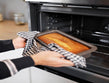
Remove the tin carefully and leave the cake inside it for about 10 minutes. Run a knife around the sides, turn it onto a plate and peel away the butter paper. Let it cool completely before frosting or slicing.
Cutting a hot cake is tempting, but its crumb is still setting. Waiting gives you cleaner slices and a softer texture.
Better Cakes Come from Understanding Your OTG
Learning to bake in an OTG is less about ach ieving perfection on the first attempt and more about noticing what happens inside your own appliance. Preheating properly, choosing the middle rack and resisting the urge to keep opening the door made the biggest difference in my cakes.
Once you understand these basics, you can use the same method for chocolate cake, tea cake, banana bread and simple celebration cakes. Your first bake may not look bakery-perfect, but with a few careful adjustments, the next one will almost certainly be better.