Skip to content


A good blender should do more than simply spin ingredients. Look for dependable motor power, effective blades, suitable jars, speed control and easy cleaning to prepare consistently smooth drinks, dips, purees and sauces.
A smoothie should feel creamy, not grainy. Similarly, a good pasta sauce should be evenly blended without leaving behind awkward pieces of tomato, herbs or nuts. The difference often comes down to choosing the right blender features rather than simply buying the appliance with the highest wattage.
Whether you prepare breakfast smoothies, soup bases, chutneys or homemade sauces, understanding the features of a blender can help you choose an appliance that suits your actual cooking routine.
Features That Matter for Smoothies and Sauces
Different recipes place different demands on a blender. Frozen fruit requires sufficient power, while sauces need controlled blending to prevent them from becoming too thin. Here are the features worth prioritising.
A Motor Suited to Everyday Ingredients
Motor power affects how comfortably a blender processes fruits, vegetables, nuts and thicker mixtures. For everyday smoothies and sauces, look for a motor that can maintain steady performance without frequent stopping.
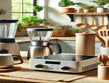
A countertop blender is generally more suitable when you regularly prepare larger smoothie batches, grind tougher ingredients or need an even texture across the entire jar.
Well-Designed Stainless-Steel Blades
Blade design is as important as motor power. Blades should create enough circulation to pull ingredients towards the centre instead of allowing them to remain stuck around the jar.
Strong stainless-steel blades can help with:
-
Blending soft and frozen fruits
-
Pureeing cooked vegetables
-
Emulsifying salad dressings
-
Preparing tomato and pasta sauces
-
Combining herbs, nuts, and liquids for pesto-style sauces
For better blending, always place liquids first, followed by softer ingredients and then harder or frozen ingredients.
Multiple Speed Settings
Not every recipe needs maximum speed. Speed control gives you greater control over texture.
-
Low speed: Best for dressings, thin sauces, and gentle mixing.
-
Medium speed: Suitable for fruit smoothies, purees, and dips.
-
High speed: Ideal for fibrous vegetables and thicker mixtures.
-
Pulse mode: Useful for breaking down ingredients in short, controlled bursts.
Start sauces at a lower speed and increase gradually. This reduces splashing and helps you stop at the texture you prefer.
Jars for Different Quantities
Jar capacity should match the portion you normally prepare. A large jar is convenient for family-sized smoothies, while a smaller jar works better for dips, chutneys and concentrated sauces.
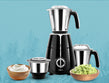
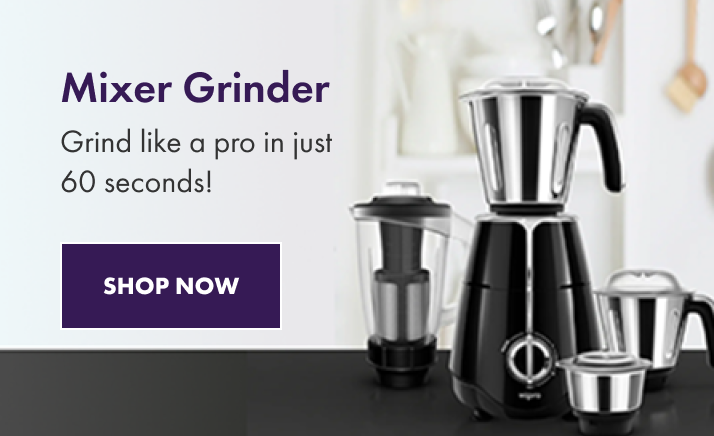
The Wipro Elato FCB 104 comes with two jars, while the FCB 105 offers three jars, giving users greater flexibility for different quantities. Unbreakable jars can also be practical for frequent kitchen use. Among everyday kitchen appliances, a blender becomes considerably more useful when you do not have to use an oversized jar for every small recipe.
A Secure Lid and Stable Base
A poorly fitted lid can turn a smoothie into a kitchen-cleaning project. Choose a blender with a secure lid, stable base and properly locking jar.
Stability becomes especially important when blending thick mixtures such as nut-based sauces, hummus or frozen-fruit smoothies. Never fill the jar beyond its recommended limit, as ingredients need space to circulate.
Easy Cleaning
A blender is only convenient when cleaning it does not feel like a separate chore. Detachable jars, accessible blades and smooth surfaces make daily maintenance easier.
After use:
-
Rinse the jar before food begins to dry.
-
Add warm water and a drop of dishwashing liquid.
-
Run the blender briefly, if permitted by the manual.
-
Rinse thoroughly and allow the parts to dry.
Avoid immersing the motor base in water.
When Is a Hand Blender More Useful?
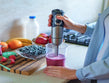
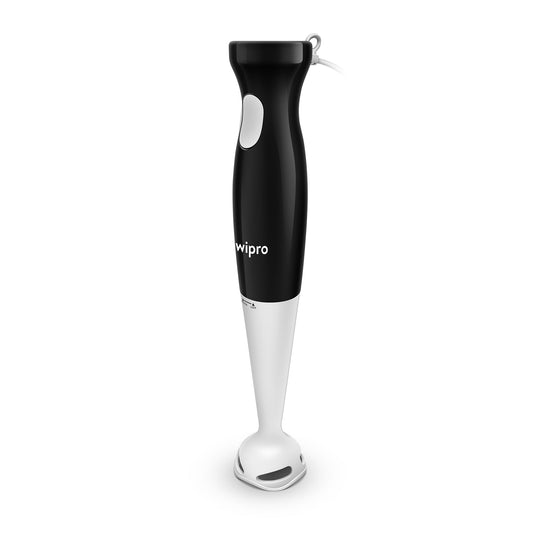
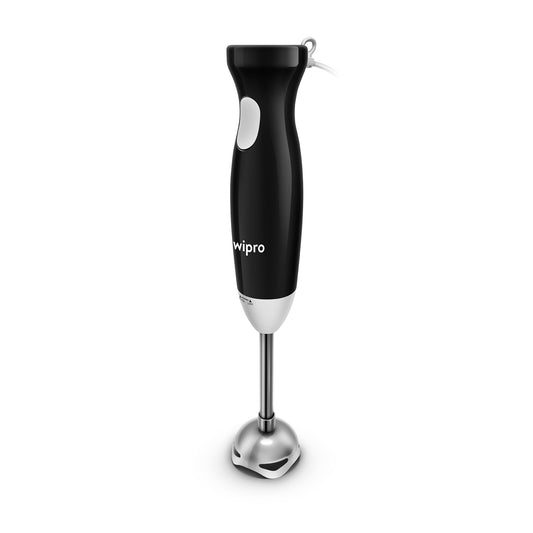
A countertop model is excellent for smoothies, but an immersion blender can be more convenient for soups and sauces prepared directly in a cooking pot.
Common hand blender uses and functions include pureeing soup, blending cooked tomatoes, whisking light mixtures and churning ingredients. .
Safe hand blender usage involves keeping the blade fully immersed before switching it on and using a deep container to minimise splashes.
Choose a Blender According to How You Use
The best blender is not necessarily the largest or most powerful one. It is the model that matches your quantities, ingredients and preferred textures. A countertop blender is useful for smoothies and larger batches, while a hand blender offers convenient in-pot blending for soups and sauces.
By prioritising motor performance, blades, jars, speed control and cleaning convenience, you can make everyday blending faster, cleaner and far more consistent.
FAQs
-
Can a blender crush ice for smoothies?
Only use ice when the appliance manual specifically permits it. Add a little liquid, use small ice pieces and avoid overloading the jar.
-
Is a hand blender or countertop blender better for sauces??
A hand blender is convenient for blending cooked sauces directly in a pot. A countertop blender usually produces a finer texture but requires transferring the mixture.
-
Why does my smoothie remain grainy?
Insufficient liquid, overloaded jars or fibrous ingredients can cause graininess. Blend liquids and soft ingredients first, then gradually add tougher ingredients.
-
Can hot sauce be placed directly in a blender?
Check the manufacturer’s instructions first. Hot mixtures can create steam pressure, so allow them to cool slightly and never seal extremely hot liquid in an unsuitable jar.
-
How long should a blender run continuously?
Continuous operating time varies by model. Use short blending cycles for thick mixtures and allow the motor to rest if the appliance becomes unusually warm.