Skip to content


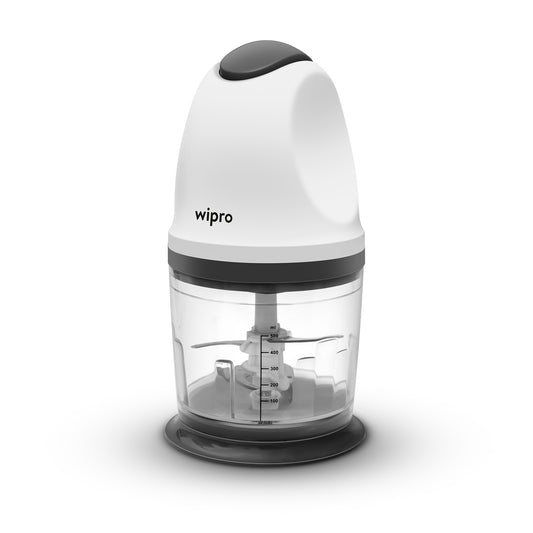
If I am cooking a full meal, the food processor helps. But for everyday Indian kitchen work like chopping onions, tomatoes, chillies, coriander, nuts or small masala prep, I reach for the Wipro electric chopper far more often.
I bought a food processor first because it looked like the ultimate “do everything” appliance. Slice, grate, knead, chop, shred; it promised to make my kitchen life easier. And honestly, it did help on days when I was making large batches of food.
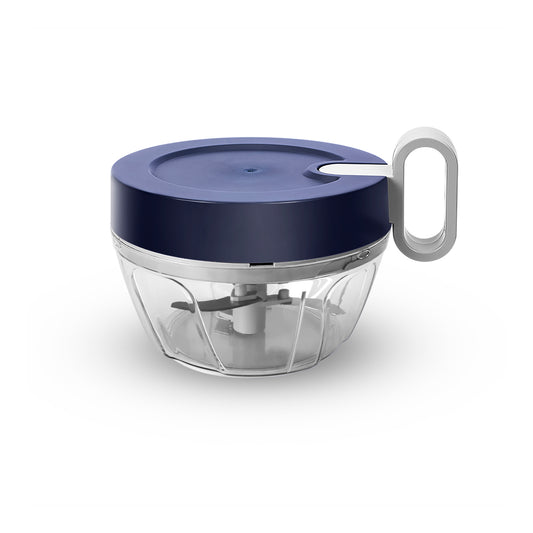
Then I bought a chopper because I was tired of taking out the big machine just to chop two onions.
That is when I understood the real difference between a food chopper and a food processor. It was not about the features listed on the box, but about which one I actually used during busy mornings, quick dinners, unexpected guests and last-minute chutney prep.Food Chopper vs Food Processor
The first difference is not power. It is mood. A food processor feels like a planned cooking appliance. You use it when you know you have serious prep work. A food chopper feels like an everyday helper. You use it without thinking too much.
-
For chopping 1–2 onions, I prefer using a chopper.
-
For cabbage used in paratha stuffing, a food processor works better.
-
For coriander, chillies and garlic, I use a chopper.
-
For grating carrots or beetroot, I prefer a food processor.
-
For small chutney-style prep, a chopper is more convenient.
-
For dough kneading, a food processor is the better choice.
-
For salad prep for many people, a food processor saves more time.
-
For quick tadka ingredients, I prefer using a chopper.
So, what is the difference between food chopper and food processor in real use? A chopper is compact and quick for small chopping tasks. A food processor is bigger and better for multiple prep jobs like slicing, shredding, kneading and bulk chopping.
The Chopper Won My Weekdays
On weekdays, I do not want “setup”. I want speed. This is where the chopper became my go-to.
I used it for:
-
Onion-tomato base for sabzi
-
Garlic, ginger and green chilli mix
-
Coriander-mint prep for chutney
-
Finely chopped veggies for poha, upma and omelette
-
Crushed peanuts for sabudana khichdi
-
Small salad toppings
The biggest learning is that a chopper saves time only when you do not overload it. I get the best texture when I cut big vegetables into chunks, pulse in short bursts and stop before everything becomes paste.
This is also why an electric chopper like the Wipro Vesta Electric Chopper makes sense for small daily prep. Since Wipro Appliances already has a Food Processing range under its kitchen appliances, the chopper fits naturally into the kind of everyday cooking most Indian homes actually do.
Where the Food Processor Still Feels Like a Hero
Now, I will not say the chopper replaced the food processor. It did not. The food processor is still excellent when I am cooking in quantity. For example, if I am making cutlets, paratha stuffing, coleslaw, grated carrot halwa prep or a large batch of sliced vegetables, the food processor feels worth the counter space.
It also helps when I want consistency. Slicing cucumber by hand is easy for one plate. Slicing enough for a family lunch is where the food processor starts making sense.
This is where the chopper vs food processor decision becomes simple: choose based on quantity and task type, not just price or size.
My Tested Tips After Using Both
Here are the small lessons I wish someone had told me earlier:
-
Use a chopper for small, wet, quick ingredients like onions, tomatoes, herbs and chillies.
-
Do not run the chopper continuously; pulse it for better control.
-
Use a food processor when the quantity is large or when slicing/grating is needed.
-
Wash the blades immediately, especially after onion, garlic or coriander.
-
Keep the chopper accessible. If it is packed deep inside a cabinet, you will not use it.
-
Do not expect a chopper to knead dough or slice evenly. That is not its job.
-
Do not take out the food processor for two onions. You will only create more washing.
Which One Do I Actually Use More?
I use the chopper more. Not because it is more powerful and does everything. But because it solves the most common problem in my kitchen: small, repetitive chopping.
The food processor helps on heavy cooking days, but the chopper fits better into everyday cooking because it is quicker to use, easier to clean and enough for small prep tasks. For daily Indian cooking, that matters.
Should You Buy a Chopper or a Food Processor?
Buy a chopper if you cook daily, need quick prep, have a small family, or mostly chop onions, tomatoes, herbs, nuts and masala ingredients. Buy a food processor if you cook in large quantities, host often, meal prep weekly, or want slicing, shredding, grating and kneading support in one appliance.
And if your kitchen allows both, use them differently. The chopper is for everyday speed. The food processor is for bigger cooking projects.
My Kitchen Verdict
After using both, my answer is that thefood processor is useful, but the chopper is used more often.
For me, the best appliance is not the one with the longest feature list. It is the one I reach for even when I am tired, hungry and trying to finish dinner quickly. That is why, in the food chopper vs food processor debate, the chopper wins my regular cooking routine, while the food processor stays valuable for heavy-duty days.
In a practical Indian kitchen, both have a place. But if I had to keep only one on the counter, I know which one would stay.