Skip to content


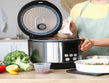
A rice cooker can make everyday cooking easier, but the right water ratio, rinsing, resting time, cleaning routine, and smart use of cooking modes matter. These simple rice cooker tips help you get fluffy rice, avoid sticky bottoms, and use your appliance for more than plain rice
A rice cooker looks simple: add rice, add water, press a button. But anyone who has dealt with mushy rice, undercooked grains, or a burnt base knows that small details make a big difference. The right rice cooker tips and tricks can help you cook better rice with less effort, especially on busy mornings, lunch-prep days, or when cooking for the whole family.
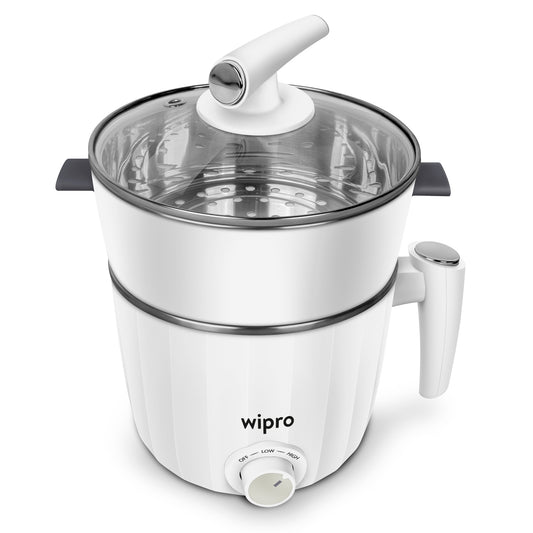
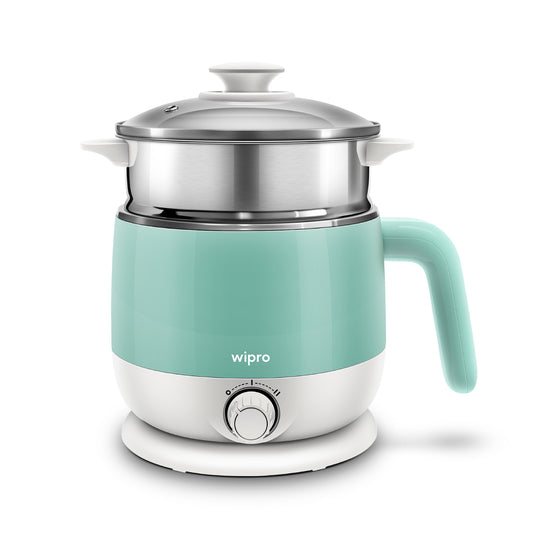
For Indian kitchens, a good multicooker can also work beautifully as a rice maker, steamer, egg boiler, and quick meal helper. Wipro Appliances currently offers models like the 4-in-1 Multicooker, which can steam rice, boil eggs, poach eggs, and cook vegetables, making it a useful addition to modern kitchen appliances.
Tip 1. Rinse the Rice Before Cooking
One of the most important tips for rice cooker use is to rinse rice 2–3 times before adding it to the pot. Rinsing removes extra surface starch, which helps reduce stickiness and gives you cleaner, separate grains.
Use this method:
- Basmati rice: Rinse gently 2–3 times until the water is almost clear. Avoid rubbing too hard, as the long grains can break easily.
- Sona masoori rice: Rinse 2–3 times to remove extra starch and prevent the rice from turning too sticky.
- Brown rice: Rinse well and soak for 20–30 minutes before cooking so the grains soften better and cook evenly.
Avoid rubbing the grains too hard, especially for long-grain rice. This can break the rice and affect the final texture.
Tip 2. Get the Water Ratio Right
The most useful rice cooker tricks often begin with water measurement. Too much water makes rice mushy, while too little leaves it hard in the centre.
A simple guide:
- For White rice: Use 1 cup of rice with 1.5 to 2 cups of water, depending on how soft you want the rice.
- For Basmati rice: Use 1 cup rice with 1.5 cups water for long, separate grains.
- For Brown rice: Use 1 cup of rice with 2.5 cups of water because it takes longer to soften.
- For Short-grain rice: Use 1 cup rice with 1.25 to 1.5 cups water for a slightly sticky but well-cooked texture.
If your rice cooker has cup markings, follow them first. If you are using a multicooker, check the appliance's recommended fill levels and avoid overfilling the pot.
Tip 3. Let the Rice Rest Before Serving
This is one of those rice cooker tips that people often skip. Once the cooker switches off, let the rice rest for 8–10 minutes with the lid closed. This helps the steam settle evenly and makes the rice fluffier.
After resting, use a soft spatula or rice paddle to gently fluff the rice. Do not scrape the base aggressively, especially if your cooker has a non-stick inner pot.
Tip 4. Use the Cooker for More Than Plain Rice
Good tips for rice cooker usage are not limited to cooking steamed rice. Depending on the appliance, you can prepare simple one-pot meals, steamed vegetables, poha-style mixes, pulao, khichdi, and even boiled eggs.
For example, multicooker range includes models designed for steaming rice and vegetables, with the Elato BE201 offering concurrent cooking functionality for preparing two items at the same time. This makes it useful when you want rice and steamed vegetables ready together without using multiple vessels.
Try these easy ideas:
- Add peas, carrots, and whole spices for quick veg pulao.
- Cook dal-rice together for a simple khichdi.
- Steam vegetables while rice cooks, if your appliance supports dual-level cooking.
- Use the keep-warm function only for a limited time to avoid drying out rice.
Tip 5. Clean the Cooker After Every Use
Among all rice cooker tips and tricks, cleaning is the one that protects both taste and appliance life. Always unplug the cooker and let it cool before cleaning. Wash the inner pot gently with a soft sponge, and wipe the heating plate with a dry or slightly damp cloth.
Do not pour water directly into the appliance body. Also, check the lid, steam vent, and edges where starch residue can collect. This prevents odour, uneven heating, and sticky build-up.
Make Your Rice Cooker Work Smarter
A rice cooker can do much more than simplify rice cooking. With the right water ratio, proper rinsing, resting time, and regular cleaning, it becomes one of the most dependable home appliances for daily meals. Whether you are cooking plain rice, khichdi, pulao, or steamed vegetables, these rice cooker tricks help you save time without compromising on taste or texture.
For households looking at compact cooking solutions, Wipro's multicooker category is worth exploring, especially if you want one appliance that supports everyday rice cooking along with steaming and boiling functions. You can also read more on reasons you should buy a multi-cooker to understand the full benefits.
Frequently Asked Questions
-
Can I cook rice in a Wipro multicooker?
Yes, select Wipro Elato BE201 4-in-1 Multicooker, are designed to steam rice along with other functions like boiling eggs and cooking vegetables. Always follow the appliance's water level and capacity instructions for best results.
-
Why does rice stick to the bottom of my rice cooker?
Rice usually sticks when there is too little water, excess starch, or the cooker is not cleaned properly. Rinsing the rice, adding the right water ratio, and allowing the rice to rest before serving can reduce sticking.
-
Can I cook vegetables along with rice in a rice cooker?
Yes, if your appliance has steaming or dual-level cooking support. Models like the Wipro Elato support concurrent cooking, which helps you prepare rice and steamed vegetables more conveniently.
-
How do I clean a rice cooker safely?
Unplug the appliance, allow it to cool, remove the inner pot, and wash it with a soft sponge. Wipe the heating plate gently and avoid immersing the main appliance body in water.
-
Is a multicooker better than a basic rice cooker?
A multicooker is better if you want more versatility. It can help with rice, steaming, boiling, reheating, and simple one-pot meals, making it more useful for compact kitchens and daily cooking routines.