Skip to content


Few Indian dishes carry the emotional weight of authentic dal makhani. Creamy, slow-simmered, and deeply satisfying, this North Indian classic includes patience, technique, and the right use of kitchen appliances. If you’ve ever wondered how to make dal makhani that tastes restaurant-style yet feels homemade, this guide breaks it down clearly and practically.
Why is Dal Makhani an Authentic Dish?
At its core, a traditional dal makhani recipe uses whole black lentils (sabut urad) with a small amount of rajma, slow-cooked for hours. The richness comes not from excess cream, but from starch released during long cooking.
Slow simmering improves lentil digestibility and nutrient absorption.
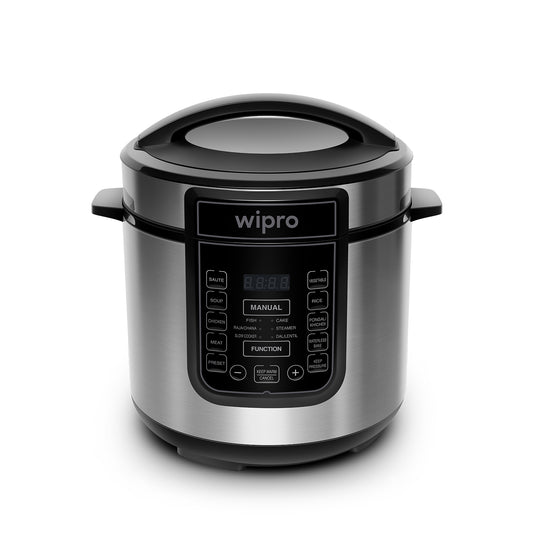
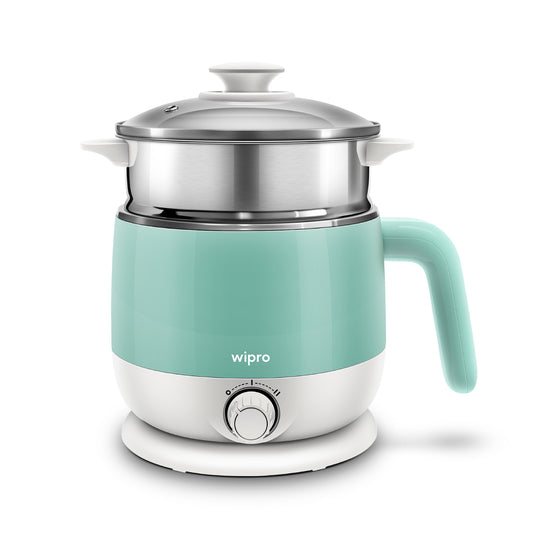
But in today’s day and age, not everyone has the time and patience for slow simmering. Modern kitchens make this process easier with reliable appliances like electric pressure cookers and induction cooktops from the Wipro Appliances range, without compromising flavour.
Ingredients
Simple ingredients are the soul of an authentic dal makhani recipe. Each component plays a specific role in building depth, creaminess, and that unmistakable slow-cooked flavour; nothing fancy, just some basic chosen staples.
-
Whole black lentils (sabut urad) - soaked overnight
-
Rajma (optional but traditional)
-
Butter and fresh cream
-
Ginger-garlic paste
-
Tomato purée
-
Red chilli powder, garam masala, salt
-
Water
Simple ingredients, but technique is everything.
Step-by-Step: How to Make Dal Makhani
Making authentic dal makhani is a gradual, methodical process where technique matters more than speed. When each step is done right, the dal develops its signature creamy texture and deep, layered flavour without relying on shortcuts.
Soaking and Prepping the Dal
Start by thoroughly washing the whole black lentils and rajma until the water runs clear, then soak them for at least 8 hours or overnight. Soaking softens the outer skin and allows the lentils to cook evenly from the inside. This step not only reduces overall cooking time but also improves digestion and texture. Properly soaked lentils naturally break down during cooking, creating the creamy body dal makhani is known for.
Pressure Cooking for the Right Base
Pressure cook the soaked lentils with fresh water and salt until they are completely soft and buttery when pressed between fingers. A modern pressure cooker ensures uniform heat distribution, preventing partially cooked or split lentils. Pressure cooking can reduce cooking time by up to 70%, while preserving nutrients better than open boiling. Lightly mash the cooked dal using the back of a ladle to release starch, which forms the base of a rich, velvety dal.
Building Flavour on an Induction Cooktop
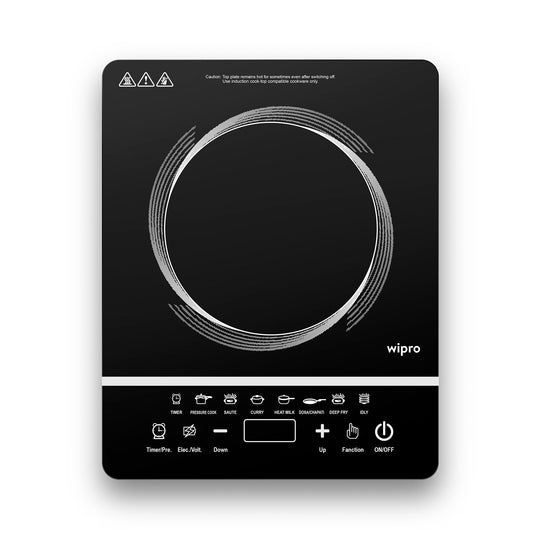
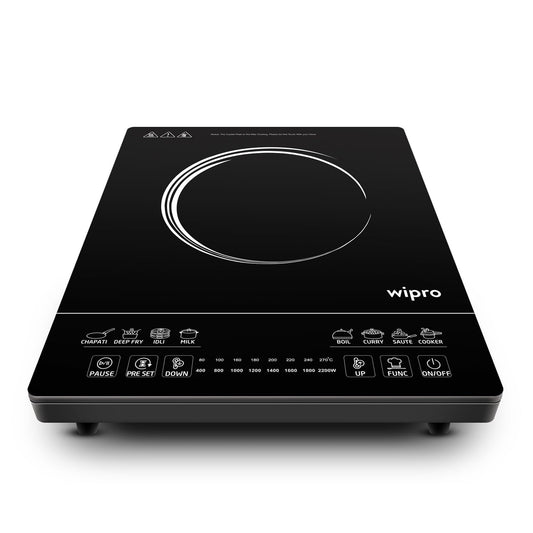
Heat butter slowly on an induction cooktop and sauté ginger-garlic paste until aromatic, without browning it. Add tomato purée and cook patiently on medium-low heat until it thickens and the butter begins to separate. Precise temperature control helps avoid raw tomato flavour or bitterness. This masala forms the flavour backbone of the dal recipe and must be cooked thoroughly for depth and balance.
Slow Simmering: The Heart of Dal Makhani
Add the cooked dal to the prepared masala and mix gently to combine. Let it simmer on low heat for 40-60 minutes, stirring occasionally to prevent sticking. Slow simmering allows the lentils to absorb flavours while continuing to thicken naturally. This unhurried cooking process is what gives authentic dal makhani its signature richness and restaurant-style depth.
Cream, Butter, and Balance
Finish the dal with a small amount of fresh cream and a final knob of butter for smoothness and shine. The idea is to enhance the natural creaminess of the lentils, not overpower them. Stir gently and let the dal rest for about 10 minutes off the heat. This resting period allows flavours to settle and meld, resulting in a well-rounded, luxurious dish. Dal makhani pairs best with butter naan, jeera rice, or plain chapati. It tastes even better the next day, as the flavours deepen with rest.
This method respects tradition while adapting to modern kitchens. Controlled heat, efficient cooking, and minimal processing ensure the dish remains authentic, comforting, and reliable every time.
Why Appliances Matter in Traditional Cooking
Authentic cooking is rooted in technique and patience, not in avoiding modern tools. Appliances like pressure cookers help achieve perfectly soft lentils in less time while preserving nutrients and texture, making them ideal for slow-cooked dishes like dal makhani. Induction cooktops offer precise heat control, which is essential for sautéing, reducing tomato bases, and maintaining a steady simmer without burning.
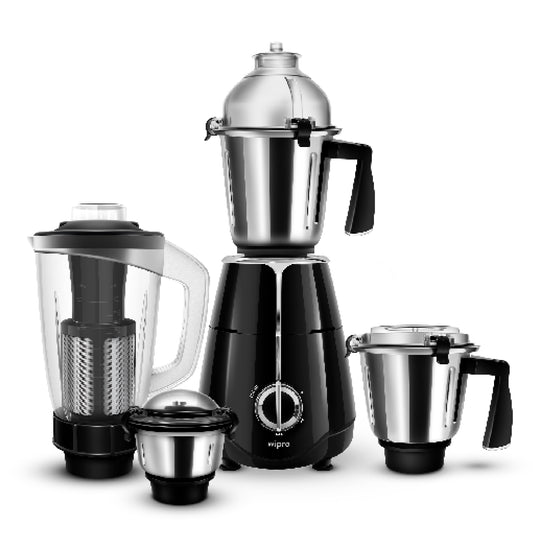
Mixer and grinders simplify prep work by delivering uniform ginger-garlic pastes and smooth tomato purées, ensuring consistent flavour in every batch. Microwave ovens, while not used in the cooking process itself, play a valuable role in gentle reheating, keeping dal warm and creamy without drying it out. Together, these appliances bring efficiency, hygiene, and reliability to traditional recipes, allowing authentic flavours to shine in modern kitchens.
A Dish That Rewards Time and Technique
Dal makhani is an emotion, and most importantly, it’s a lesson in patience and balance. With the right technique and smart use of modern appliances, authentic flavour is always within reach. When each step is done with care, dal makhani transforms from a simple dal recipe into a deeply comforting experience. It’s not about rushing the process, but about letting flavour take its time.
FAQs
-
Can I make authentic Dal Makhani without a pressure cooker?
Yes, but it requires several hours of slow boiling. A pressure cooker significantly reduces time and energy use while achieving the same soft texture.
-
What kind of blender or masher is best for the texture?
A basic hand masher or mixer grinder pulse works best. Over-blending makes the dal pasty; partial mashing keeps it creamy yet textured.
-
Can an induction cooktop handle long simmering recipes like dal makhani?
Absolutely. Induction cooktops provide precise low-heat control, which is ideal for extended simmering without burning or sticking.
-
Is a microwave oven useful in making dal makhani?
While not used for cooking from scratch, a microwave oven is excellent for reheating dal makhani evenly without drying it out.
-
Does soaking dal really make a difference when using appliances?
Yes. Even with modern appliances, soaking improves cooking efficiency, texture, and digestibility of lentils.