
Rising electricity costs have made energy efficiency a top priority for Indian households. While lifestyle habits play a role, the appliances we use every day have a much bigger impact on monthly bills.
Choosing the right smart kitchen appliance can significantly reduce power consumption without compromising on convenience or performance. Understanding how smart appliances work and how they optimise energy usage is the answer to how to reduce electricity bills, a question always on homeowners’ minds.
What Makes a Kitchen Appliance “Smart”?
A smart kitchen appliance is designed to use electricity more efficiently through smart technology, precise controls, and built-in safety mechanisms. Unlike traditional appliances that run at fixed power levels, smart appliances adjust energy usage based on cooking requirements.
One of the most important features is auto shut-off. This function ensures the appliance turns off automatically once cooking is complete or if it detects overheating. This prevents unnecessary power consumption and improves safety.
Other defining features include digital temperature control, preset cooking modes, even heat distribution, and faster cooking cycles. Together, these elements reduce cooking time, avoid energy wastage, and make everyday home appliances more economical to run.
How to Reduce Electricity Bills with Smart Kitchen Choices?
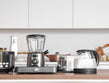
Smart appliances don’t just save time; they actively help manage electricity usage. By replacing outdated, energy-consuming appliances with efficient alternatives, households can see noticeable reductions in power consumption. Below are some commonly used smart kitchen appliances that support energy-efficient cooking.
Digital Air Fryer
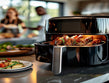
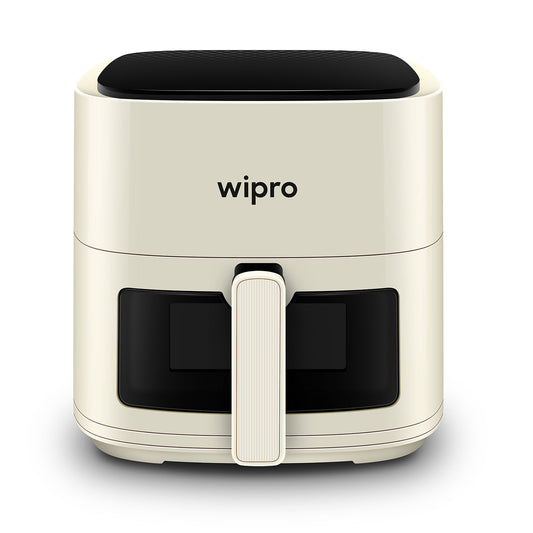
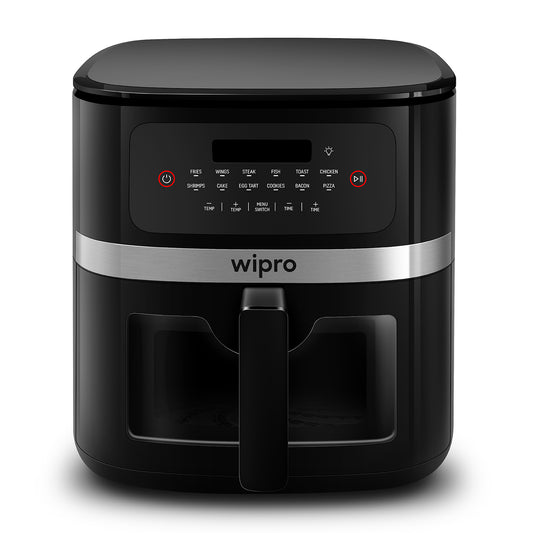
A digital air fryer is one of the most efficient cooking appliances in modern kitchens. It uses rapid hot air circulation to cook food faster than traditional ovens or deep-frying methods.
Shorter cooking times mean less electricity usage per meal. Preset programs and auto shut-off features ensure the appliance runs only as long as required. Compared to prolonged stove-top frying or oven baking, a digital air fryer plays a key role in reducing electricity bill totals while offering healthier cooking options.
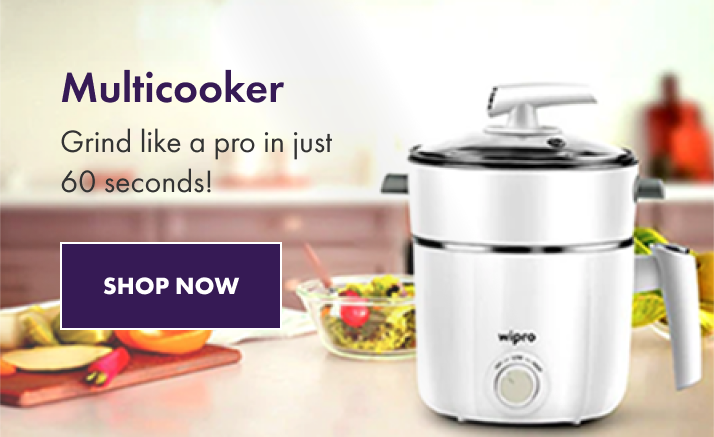
Multicooker
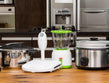
A multicooker combines multiple cooking functions, such as boiling, sautéing, slow cooking, and steaming, into a single appliance. Instead of using separate devices for each task, one multicooker handles everything efficiently.
Because it operates in a sealed, controlled-heat environment, it cooks food faster and retains heat better. This reduces overall energy consumption. As a smart kitchen appliance, it also minimises standby power usage through automatic temperature regulation and timely shut-off.
Electric Pressure Cooker
Electric pressure cookers are designed for speed and efficiency. By cooking food under pressure, they significantly reduce cooking time compared to open-pan methods.
Shorter cooking cycles directly translate to lower electricity use. Advanced safety features, including pressure sensors and auto shut-off, ensure energy is not wasted once cooking is complete. Among everyday home appliances, electric pressure cookers are particularly effective in balancing power efficiency with performance.
OTG (Oven, Toaster, Griller)
Traditional ovens are known for high electricity consumption, especially due to long preheating times. Modern OTGs, when used correctly, can be far more efficient.
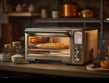
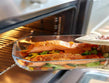
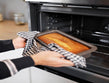
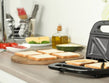
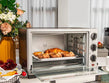
Smart Oven toast griller offer precise temperature control, faster heating elements, and auto shut-off features that prevent overuse. They are ideal for baking, grilling, and toasting smaller portions without running large ovens. With mindful usage, an OTG becomes a valuable tool in reducing electricity bills due to baking and grilling.
Why Smart Appliances Make a Long-Term Difference
The real advantage of smart appliances lies in consistent savings over time. While the upfront cost may seem higher, reduced electricity consumption leads to lower monthly bills, offsetting the initial investment.
Smart appliances also encourage better usage habits. Digital displays, timers, and presets make users more aware of cooking duration and power usage. This behavioural shift, combined with efficient technology, leads to meaningful energy savings across the household.
How to Use Smart Appliances More Efficiently?
Even the most advanced smart kitchen appliance performs best when used correctly. Avoid overloading appliances, choose appropriate cooking modes, and clean them regularly to maintain efficiency.
Cooking in batches, using lids where applicable, and switching off appliances completely after use further reduces electricity consumption. When paired with smart technology, these habits amplify savings.
How to Make the Kitchen Energy-Efficient
An energy-efficient kitchen isn’t built overnight; it evolves through thoughtful choices. Replacing outdated appliances, understanding energy ratings, and prioritising smart features can significantly reduce household electricity costs.
As more households focus on sustainability and cost control, smart home appliances are becoming less of a luxury and more of a necessity. They support modern lifestyles while helping manage rising energy expenses.
Smarter Cooking, Lower Bills, Better Living
Reducing electricity bills doesn’t mean cutting back on comfort; it means cooking smarter. With intelligent features, faster performance, and controlled power usage, smart kitchen appliances help households save energy every day.
Designed with energy efficiency, safety, and advanced controls in mind, solutions from Wipro Smart Appliances support smarter cooking choices that reduce electricity consumption. With thoughtfully engineered appliances, these appliances help homes achieve long-term savings without compromising on convenience or performance.