Skip to content


This easy Ganesh Chaturthi modak recipe combines a soft rice-flour covering with a coconut-jaggery filling. Prepare the sweet filling, make a smooth dough, shape and fill the modaks, then steam them until the outer covering looks glossy.
Modak is closely associated with Ganesh Chaturthi and is traditionally prepared as an offering during the festival. Among its many variations, steamed modak, often known as ukadiche modak, remains a popular choice because of its soft rice-flour shell and aromatic coconut-jaggery centre.
If you are learning how to make modak, the process may appear intricate, but it becomes manageable when divided into three stages: making the filling, preparing the dough, and shaping and steaming the modaks.
Ganesh Chaturthi Modak Recipe: Ingredients You Will Need
For around 10–12 modaks, keep the following ingredients ready.
For the outer covering
-
1 cup rice flour
-
1 cup water
-
1 teaspoon ghee
-
A small pinch of salt
For the filling
-
1 cup freshly grated coconut
-
¾ cup grated or chopped jaggery
-
½ teaspoon cardamom powder
-
1 teaspoon ghee
-
Chopped nuts, optional
Using freshly grated coconut gives the filling its characteristic texture, while jaggery brings sweetness and helps bind the mixture.
How to Make Modak Filling?
Start with the coconut-jaggery filling because it needs some time to cool before shaping.
-
Heat a pan and add the grated coconut and jaggery.
-
Cook over low to medium heat while stirring regularly.
-
As the jaggery melts, it will combine with the coconut to form a moist mixture.
-
Add cardamom powder and optional chopped nuts.
-
Continue cooking until the excess moisture reduces and the mixture begins to come together.
-
Switch off the heat and allow it to cool.
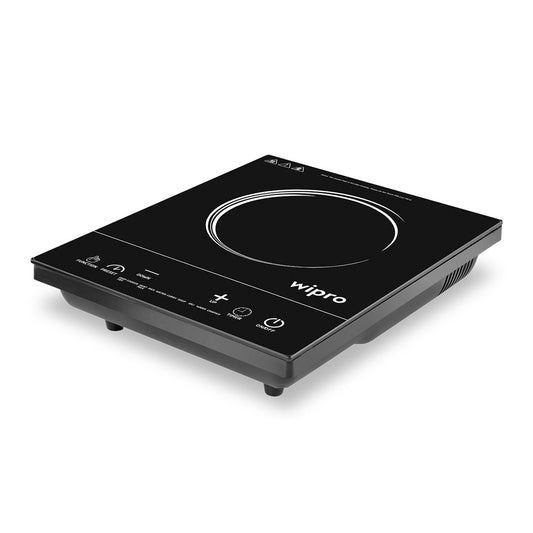
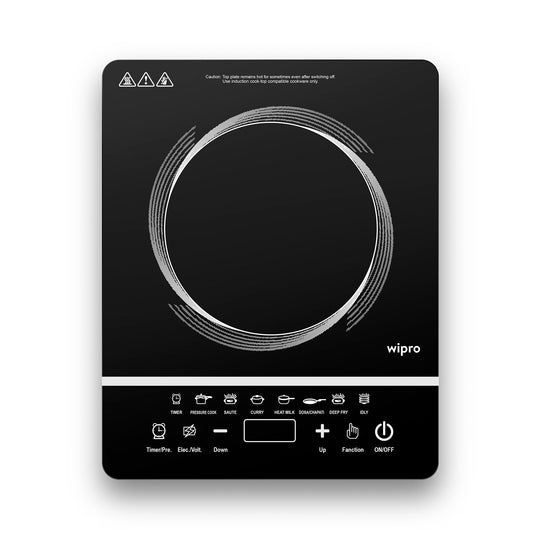
Controlling the heat is important because overheating jaggery can make the filling hard after cooling. A Wipro 2000W Induction Cooktop can be useful here, as it offers seven power levels, sensor-touch controls and ten pre-programmed Indian cooking functions, making it easier to regulate heat while preparing the filling.
How to Make Rice Flour Dough for Modak?
The covering should remain soft and pliable enough to shape without cracking.
Bring one cup of water to a boil with ghee and a small pinch of salt. Lower the heat and gradually add the rice flour while stirring continuously.
Cover the mixture briefly, then transfer it to a plate once it is cool enough to handle. Knead it while still warm until you have a smooth, soft dough.
If the dough feels dry, lightly moisten your palms while kneading rather than adding a large quantity of water at once.
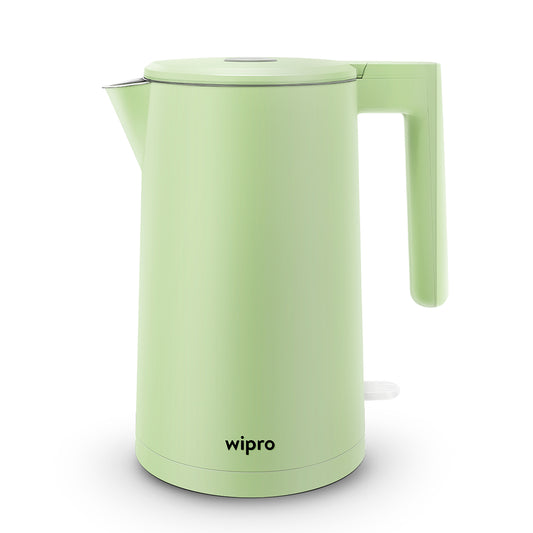
The Wipro 1.5L Multi Cooker Kettle can also support this stage of preparation. It has a stainless-steel inner body and dual temperature control, allowing the heat to be adjusted for different cooking tasks.
How to Shape Modak at Home?
Once the dough and filling are ready, divide the dough into small equal portions.
Roll one portion into a ball and flatten it gently with your fingers. Make the edges thinner than the centre to prevent the finished modak from becoming too thick.
Place a spoonful of coconut-jaggery filling in the centre. Create small pleats around the edge, bring them together at the top and pinch gently to form the characteristic pointed modak shape.
A greased modak mould can make this step easier for beginners. Press the dough into the mould, add the filling, seal the base and carefully unmould it.
How to Steam Modak for Ganesh Chaturthi?
Arrange the shaped modaks on a lightly greased steaming plate, leaving some space between them.
Steam them for approximately 10–12 minutes. Once cooked, the rice-flour covering generally develops a smoother, slightly glossy appearance.
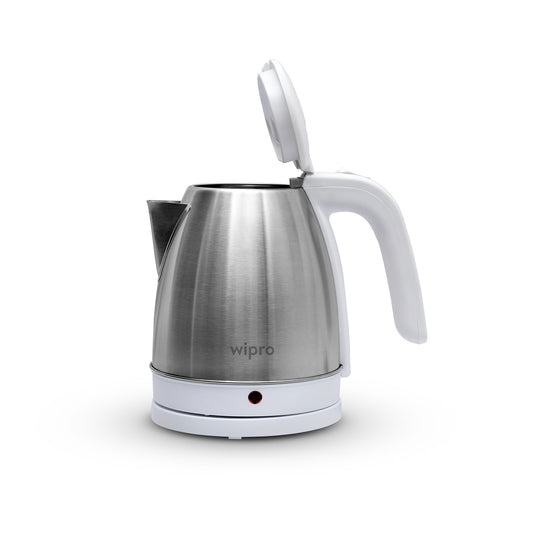
For smaller batches, the Wipro 1.2 L Outer Lid Multicooker offers steaming alongside boiling and cooking. Its dual temperature control allows the heat to be adjusted according to the cooking requirement.
Allow the steamed modaks to rest briefly before serving.
Make Festive Prep Easier with a Mixer Grinder
A mixer grinder can also reduce some of the manual preparation involved when making different modak variations.
For example, dry fruits can be processed into a coarse mixture for dry-fruit modaks, while nuts and other filling ingredients can be chopped or ground according to the recipe.
The Wipro Elato 1000W Mixer Grinder range includes models with a 1000W motor, stainless-steel jars and Deep Flow Breaker technology for grinding different ingredients.
This makes the appliance useful beyond the traditional modak for Ganesh Chaturthi, particularly when preparing dry-fruit, nut-based or other festive sweet mixtures.
Celebrate Ganesh Chaturthi with Homemade Modaks
Making modak for Ganesh Chaturthi at home does require a little patience, especially during shaping, but the basic recipe is easy once each stage is handled separately.
Prepare the coconut-jaggery filling first, knead a soft rice-flour dough, shape the modaks carefully and steam them until cooked through.
FAQs
-
What is traditional modak made of?
Traditional steamed modak is made with a rice-flour covering filled with coconut, jaggery and cardamom.
-
How long should modaks be steamed?
Modaks generally need around 10–12 minutes of steaming.
-
Why does modak dough crack while shaping?
The dough may crack if it becomes too dry or cool, so keep it covered and shape it while warm.
-
Can modak be made without a mould?
Yes, modaks can be shaped by hand by forming pleats around the filled rice-flour shell.
-
Can the modak filling be prepared in advance?
Yes, the coconut-jaggery filling can be prepared earlier and cooled completely before shaping the modaks.