Skip to content


Homemade dips can make pakoras, vegetable sticks, sandwiches, and roasted snacks more exciting without relying on heavy mayonnaise or packaged sauces. With fresh ingredients and a suitable blender or mixer grinder, they take only minutes to prepare.
Monsoon evenings have a familiar rhythm: rain outside, hot tea on the table, and sudden cravings for something crispy. While pakoras and cutlets usually receive all the attention, I have realised that the dip beside them can completely change the experience.
A fresh healthy dip recipe adds creaminess, colour, and flavour without making the plate unnecessarily heavy. More importantly, once you understand how to make dip at home, you can adjust the spice, texture, salt, and ingredients according to your family’s preferences.
How Are Homemade Dips Better?
Packaged dips are convenient, but homemade versions give you better control over what goes into the bowl. You can use curd, roasted vegetables, herbs, nuts, seeds, or cooked pulses instead of depending only on cream and mayonnaise.
Healthy home made dips allow you to:
-
Reduce excessive salt, sugar, and oil
-
Use seasonal vegetables and fresh herbs
-
Adjust the consistency for snacks or sandwiches
-
Prepare smaller quantities and minimise waste
-
Experiment with ingredients already available at home
They pair beautifully with air-fried pakoras, vegetable kebabs, crackers, toast, and even leftover rotis cut into triangles and toasted.
Four Healthy Dips for Rainy-Day Snacking
These easy dips bring freshness, flavour, and variety to your monsoon snack plate. Each recipe uses simple ingredients and can be prepared quickly at home with minimal effort.
Roasted Red Pepper and Curd Dip

This smoky dip works particularly well with paneer tikka, potato wedges, and grilled sandwiches.
Ingredients
-
1 roasted red capsicum
-
½ cup thick curd
-
1 small garlic clove
-
½ teaspoon roasted cumin powder
-
Salt and pepper
-
A squeeze of lemon
Method: Remove the charred skin and seeds from the roasted capsicum. Add everything to a small blending jar and pulse until creamy. Chill for 15 minutes so the smoky and tangy flavours settle properly.
Minty Peas and Curd Dip

This is my favourite good veggie dip recipe when I want something bright, fresh, and slightly sweet.
Ingredients
-
½ cup boiled green peas
-
½ cup thick curd
-
A handful of mint and coriander
-
1 green chilli
-
½ teaspoon chaat masala
-
Salt and lemon juice
Method: Cool the peas completely before blending them with the herbs, chilli, and seasonings. Fold in the curd after blending if you prefer a slightly textured dip. Serve it with cucumber, carrots, corn kebabs, or air-fried snacks.
Creamy Chickpea Sesame Dip

Think of this as a simple Indian-style hummus that does not require complicated ingredients.
Ingredients
-
1 cup boiled chickpeas
-
1 tablespoon roasted sesame seeds
-
1 garlic clove
-
1 tablespoon lemon juice
-
1 teaspoon olive oil
-
Salt, cumin, and water as required
Method: Blend the chickpeas, sesame seeds, garlic, lemon juice, and seasonings. Add water one spoonful at a time until the dip becomes smooth but remains thick enough to scoop. A powerful mixer grinder helps break down the chickpeas and sesame evenly.
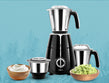
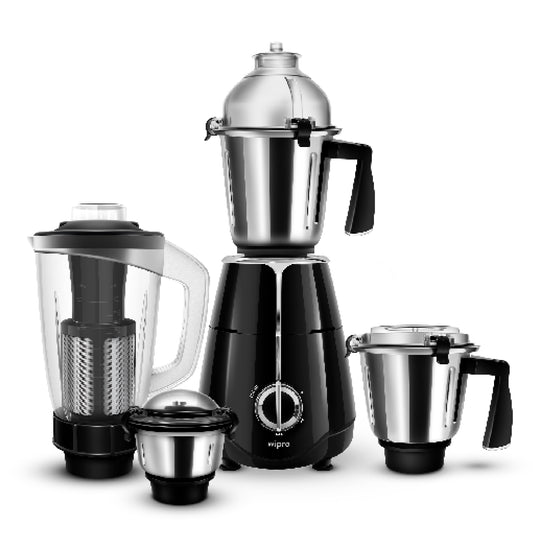
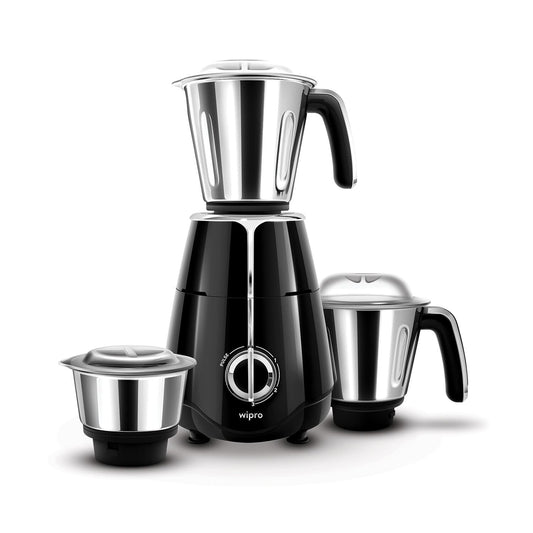
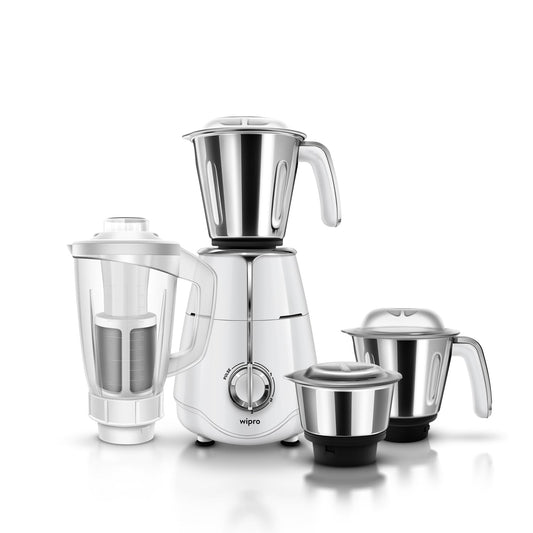
The Divine 800-Watt Mixer Grinder currently listed within the mixer grinder category, comes with multiple jars that can support small-batch chutneys and dips. It is one of those kitchen appliances that can be used beyond everyday masala grinding.
Beetroot and Peanut Dip

The natural pink colour makes this dip especially attractive for children and party platters.
Ingredients
-
½ cup boiled beetroot
-
¼ cup roasted peanuts
-
2 tablespoons curd
-
½ teaspoon cumin
-
Lemon juice and salt
Method: Blend the beetroot and peanuts first. Add curd, cumin, lemon, and salt, then pulse again until evenly combined. Add a teaspoon of water only when necessary because beetroot already contains moisture.
How to Get the Texture Right
Knowing how to make dip at home is largely about controlling moisture and blending the ingredients in the right order. Here are a few simple ways to fix common texture and flavour problems:
-
If the dip is watery: Use hung curd instead of regular curd, or blend in roasted nuts, seeds, or boiled chickpeas to thicken it naturally.
-
If the dip is too thick: Add water, lemon juice, or curd one teaspoon at a time until you reach the desired consistency.
-
If the texture feels grainy: Blend the dip for a little longer and pause midway to scrape the sides of the jar so every ingredient mixes evenly.
-
If the flavour tastes flat: Add a little acidity with lemon juice, along with fresh herbs, roasted cumin, black pepper, or chaat masala.
-
If the dip turns bitter: Avoid over-blending fresh mint, coriander, or raw garlic, as prolonged blending can affect their flavour.
Always cool cooked vegetables and pulses before blending. Warm ingredients can loosen curd-based dips and create condensation inside the jar.
A Better Monsoon Snack Plate
A satisfying monsoon platter does not need five fried items. Combine one hot snack, one fresh vegetable, and one healthy dip recipe. For example, serve pakoras with cucumber sticks and minty pea dip, or pair roasted makhana with beetroot-peanut dip.
This approach brings contrast to the plate: something crisp, something fresh, and something creamy.
This versatile snack dip plate can easily be complemented with air-fried monsoon street food, homemade sandwich fillings, and healthier evening-snack ideas.
FAQs
-
Which appliance is best for making dips at home?
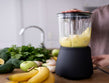
A mixer grinder is su itable for chickpeas, peanuts, herbs, and roasted vegetables. A countertop blender can be useful for larger quantities and smoother sauces.
-
Can a hand blender be used to prepare healthy dips?
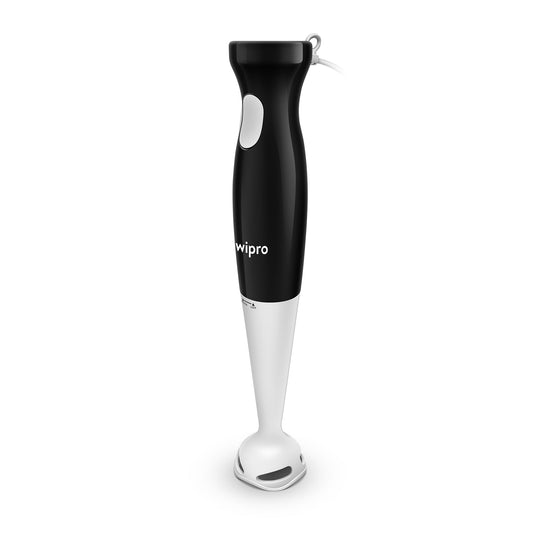
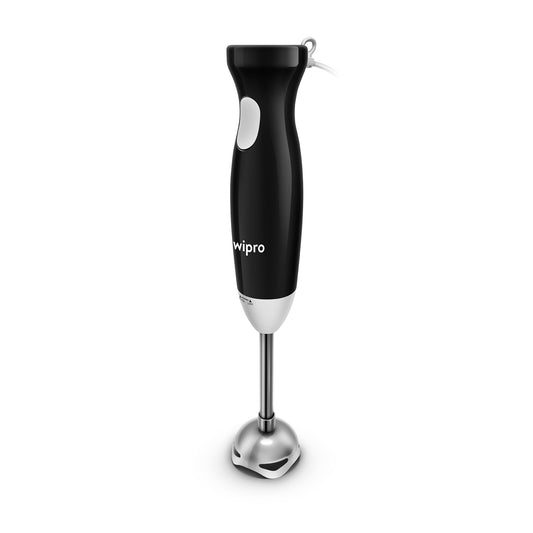
Yes. A hand blender works well for soft ingredients such as cooked beetroot, peas, curd, and roasted capsicum, particularly when blending directly inside a deep container.
-
Can I bake tricolour food in an OTG?
Use the small chutney jar for herbs, nuts, and small portions. A medium liquidising jar is better when preparing larger quantities or adding ingredients such as curd and cooked pulses.
-
How can I prevent ingredients from sticking to the blender jar?
Add the softer or liquid ingredients first, followed by vegetables, pulses, and nuts. Stop once or twice to scrape down the sides rather than adding too much water.
-
How long can homemade dips be stored?
Most curd- or vegetable-based dips can be refrigerated in an airtight container for one to two days. Use a clean spoon each time and discard the dip if its smell, colour, or texture changes.