Skip to content


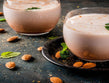
This simple Guru Purnima menu includes vegetable moong dal khichdi, makhana kheer, date-and-sesame laddoos and fruit panchamrit; four manageable dishes for a meaningful home celebration.
Guru Purnima food in my home is never about preparing the largest possible spread. I prefer making a few thoughtful dishes that feel appropriate for an offering, can be shared easily and do not leave everyone feeling overly full.
These four recipes have become my dependable Guru Purnima special food menu. They use familiar ingredients and everyday kitchen appliances, making the celebration easier to manage without losing its traditional warmth.
Before You Begin: Keep the Menu Simple
For Guru Purnima prasadam, I usually cook without onion and garlic and keep the seasoning gentle. Traditions differ across families, so adjust the ingredients according to the customs followed at home.
A little preparation makes the morning smoother:
- Soak the dal and rice before cooking.
- Chop vegetables the previous evening.
- Roast makhana and sesame in advance.
Vegetable Moong Dal Khichdi

This is the Guru Purnima recipe I rely on when I want the main meal to feel comforting rather than heavy.
You will need: Rice, yellow moong dal, carrots, peas, beans, cumin, turmeric, ginger, ghee and salt.
Method:
-
Rinse the rice and yellow moong dal two to three times until the water looks mostly clear. Soak them together for about 20 minutes, then drain.
-
Heat ghee in an electric pressure cooker or multicooker. Add cumin seeds and let them crackle. Stir in grated ginger and cook for a few seconds.
-
Add chopped carrots, beans and peas. Sauté them for two minutes, so they begin to soften.
-
Add the soaked rice and dal, turmeric and salt. Mix everything gently so the grains are coated with the seasoning.
-
Pour in water according to the consistency you prefer. Use about three cups for soft khichdi and slightly more for a looser texture.
-
Pressure-cook for two to three whistles, or use the appropriate rice or khichdi setting on a multicooker.
-
Allow the pressure to release naturally. Open the lid, stir well and add a little hot water if the khichdi has become too thick.
-
Rest it for five minutes before offering or serving. A small spoonful of ghee can be added on top for extra aroma.
My tested tip is to add slightly less water initially and adjust it later. This prevents the khichdi from becoming unexpectedly watery.
A multicooker is especially convenient here because the dish can cook steadily while you prepare the remaining offerings. This also creates a natural interlink to easy one-pot meals for busy festive mornings.
Makhana and Jaggery Kheer

I prefer this lighter kheer after a full meal because it uses roasted makhana and a controlled quantity of jaggery.
You will need: Makhana, milk, jaggery, cardamom, chopped almonds and a little ghee.
Method:
-
Heat a teaspoon of ghee in a heavy pan. Add the makhana and roast on low heat for five to seven minutes, stirring regularly.
-
Check one makhana by crushing it between your fingers. It should break easily and feel crisp inside.
-
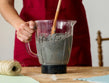
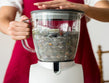
Allow the roasted makhana to cool. Keep half of it whole and pulse the remaining half briefly in a mixer grinder to create a coarse powder.
-
Pour milk into a clean pan and bring it to a gentle boil. Lower the heat and simmer for five minutes.
-
Add the whole makhana and the coarse makhana powder. Cook on low heat for eight to ten minutes, stirring occasionally so the milk does not stick.
-
Once the makhana softens and the kheer thickens slightly, switch off the heat.
-
Let the kheer cool for three to four minutes before adding grated jaggery. Adding jaggery to very hot milk may sometimes cause it to split.
-
Mix until the jaggery dissolves completely. Add cardamom and chopped almonds.
-
Serve warm or refrigerate it after it cools fully.
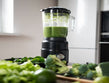
Crushing some of the makhana gives the kheer a naturally thicker texture without requiring prolonged cooking. A Wipro mixer grinder can help pulse it quickly, but stop before it turns into a fine powder.
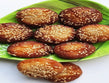
No-Sugar Date and Sesame Laddoos

These make-ahead laddoos are easy to portion and distribute as Guru Purnima prasadam.
You will need: Soft dates, roasted sesame seeds, almonds, cashews, cardamom and one teaspoon of ghee.
Method:
-
Dry-roast the sesame seeds on low heat for two to three minutes. Remove them as soon as they become aromatic, as they can burn quickly.
-
Add almonds and cashews to a mixer grinder. Pulse them in short bursts until they are roughly chopped. Avoid grinding them into powder.
-
Remove the seeds from the dates and chop the dates into small pieces. Soft dates work best because they blend easily.
-
Heat one teaspoon of ghee in a pan. Add the chopped dates and cook on low heat.
-
Press and stir the dates continuously for three to five minutes. They will gradually soften and come together like a sticky paste.
-
Add the chopped nuts, roasted sesame seeds and cardamom. Mix until everything is evenly combined.
-
Switch off the heat and transfer the mixture to a plate. Allow it to cool until it is comfortable to handle but still slightly warm.
-
Grease your palms lightly with ghee and roll the mixture into small laddoos.
-
Let them cool completely before storing them in an airtight container.
Do not overgrind the nuts. Their slight crunch makes the laddoos more enjoyable and prevents the mixture from becoming oily.
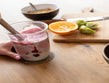
Fresh Fruit Panchamrit Bowl

For the final Guru Purnima prasadam, I make a fresh bowl inspired by familiar panchamrit flavours.
You will need: Thick curd, milk, banana, apple, dates, grated coconut, honey and cardamom.
Method:
-
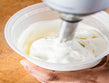
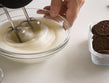
Add thick curd to a clean mixing bowl. Whisk it until it becomes smooth and free of lumps.
-
Pour in the milk gradually while whisking. Stop once the mixture reaches a creamy, pourable consistency.
-
Wash and dry the fruits properly. Peel the banana and chop the banana, apple and dates into small, even-sized pieces.
-
Add the chopped fruits to the curd mixture just before the offering. Mixing them too early may make the bowl watery.
-
Add grated coconut and cardamom. Fold everything gently instead of stirring vigorously, so the fruits remain intact.
-
Add honey only at the end and mix once more.
-
Keep the bowl chilled until it is time to offer and serve.
-
Prepare only the quantity you need, as fruit mixed with curd tastes best when consumed fresh.
Prepare this dish last and keep it chilled. Avoid overly juicy fruits because they can make the mixture watery. I also prefer making smaller portions, as fresh fruit and curd taste best when served immediately.
A Celebration That Feels Thoughtful, Not Complicated
For me, the best Guru Purnima food is prepared calmly, offered with gratitude and shared without waste. This four-dish menu balances comfort, sweetness and freshness while remaining manageable for a regular home kitchen.
Wipro Appliances categories such as mixer grinders and multicookers can reduce repetitive preparation without taking attention away from the meaning of the day. That is exactly how I like my Guru Purnima special food menu to feel: respectful, warm and genuinely personal.