Skip to content


Punjabi food is bold, comforting, and deeply rooted in tradition. Traditional North Indian diets, including Punjabi cuisine, are known for their balanced use of protein, complex carbs, and healthy fats, which contribute to sustained energy levels. From slow-cooked dals to buttery rotis and rich gravies, Punjabi cuisine is all about technique, balance, and patience. With the right approach and the help of modern kitchen appliances available on the Wipro Appliances website, recreating a famous dish of Punjab at home becomes both practical and rewarding.
Understanding the Soul of Punjabi Cuisine
Punjabi cuisine is defined by robust flavours, generous use of ghee, whole spices, slow cooking, and hearty ingredients. Wheat-based breads like roti and paratha form the base of most meals, while lentils, paneer, seasonal vegetables, and dairy-rich gravies complete the plate. At home, mastering a Punjabi recipe is about controlled heat, proper tempering, and consistent textures, all of which modern appliances make easier and more precise.
Must-Try Punjabi Dishes You Can Cook at Home
Punjabi food is best experienced through its iconic dishes that are comforting, flavour-packed, and rooted in tradition. These must-try Punjabi recipes are well-suited for home cooking and showcase the true essence of Punjabi cuisine without requiring complicated techniques.
Dal Makhani
A truly famous dish of Punjab, dal makhani is defined by patience and technique rather than an overload of spices. The soaked whole black lentils and rajma are pressure-cooked until completely tender, creating a creamy base that would otherwise take hours to achieve. Slow simmering with butter and cream allows the flavours to deepen gradually, giving the dal its signature richness. A modern electric pressure cooker significantly cuts down cooking time while preserving the authentic, slow-cooked taste Punjabi cuisine is known for.
Paneer Butter Masala
This popular Punjabi dish derives its signature richness from a finely balanced onion-tomato gravy that forms the backbone of the recipe. Using a food processor or mixer and grinder helps break down the ingredients into a smooth, uniform base, which is essential for achieving a restaurant-style texture without relying on excess oil or butter. Cooking the gravy on an induction cooktop allows precise heat control, preventing scorching while encouraging slow, even thickening. This controlled process helps the flavours mellow and blend beautifully, resulting in a well-rounded, comforting Punjabi dish.
Sarson Ka Saag
This traditional Punjabi food recipe relies on slow, steady cooking to soften the fibrous mustard greens and develop their earthy flavour. Pressure cooking the greens first helps break down tough fibres quickly, making the saag smoother and less bitter when blended. This method also helps retain essential nutrients that are often lost during prolonged open cooking. Finishing the saag with a gentle tempering brings balance without overpowering the natural taste of the greens.
Roti and Paratha
Soft rotis and well-cooked parathas depend on even heat and proper moisture control during cooking. Using a flat, induction-compatible tawa on an induction cooktop ensures uniform heat distribution, allowing the bread to puff evenly without burning. Consistent temperature helps prevent dry spots and uneven browning, which are common on fluctuating flame heat. The result is softer rotis and evenly cooked parathas that perfectly complement Punjabi dishes.
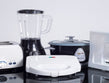
Why Appliances Matter in Punjabi Home Cooking
Authentic Punjabi food doesn’t require outdated methods; it requires precision. The right appliances bring consistency, temperature control, and efficiency, making it easier to achieve authentic flavours without unnecessary effort or guesswork.
-
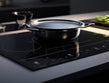
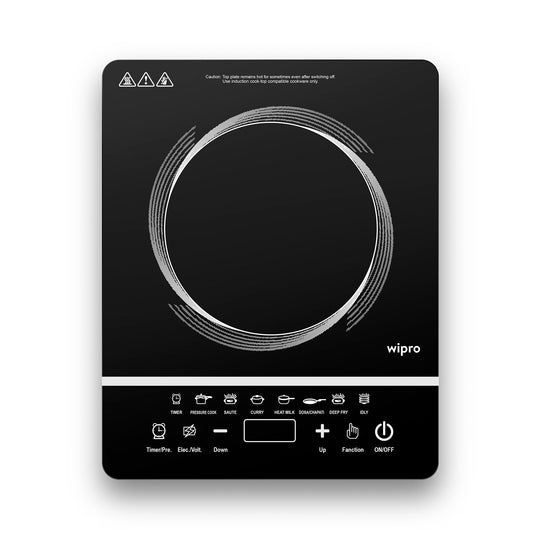
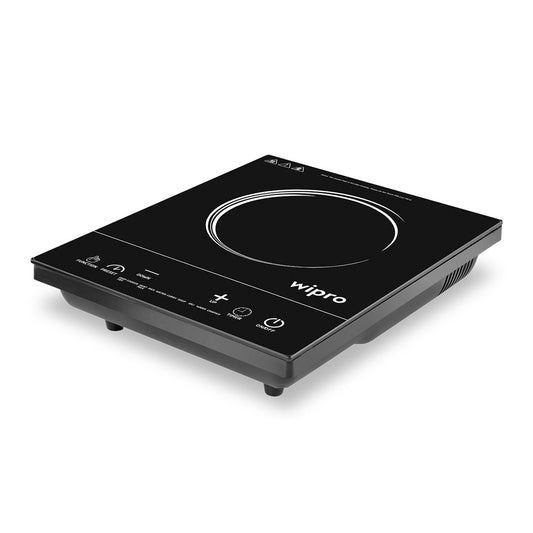
Induction cooktops: Induction cooktops offer precise, instant heat control, which is crucial when tempering whole spices or gently simmering Punjabi gravies. This level of control prevents burning and allows flavours to develop gradually, especially in butter-based dishes.
-
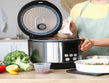
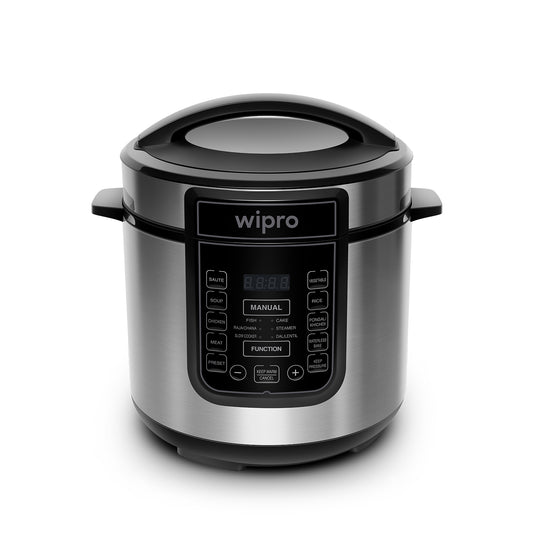
Pressure cookers: Pressure cookers significantly reduce the long cooking time required for dals, legumes, and leafy greens while maintaining the depth of flavour. They ensure even softening, which is essential for creamy textures in Punjabi food recipes.
-
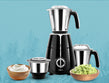
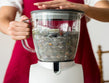
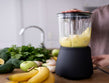
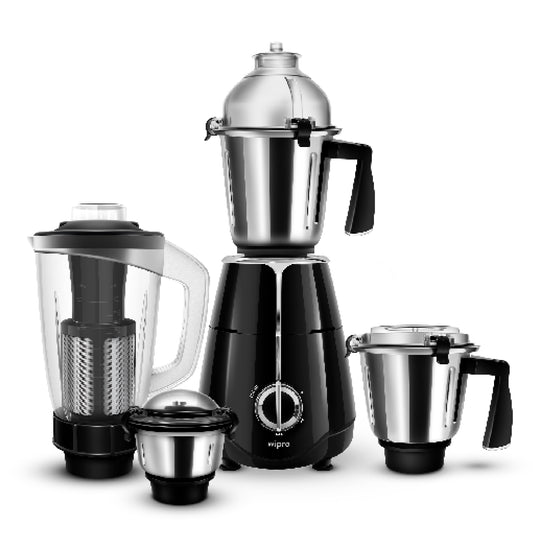
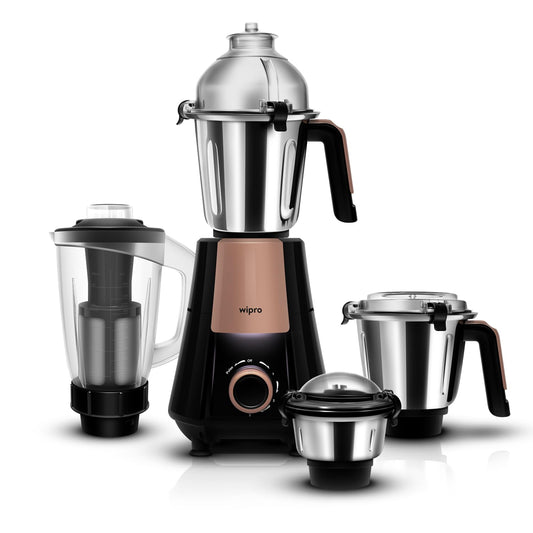
Mixer grinders: Mixer grinders play a key role in Punjabi cuisine by creating smooth onion, tomato, and cashew pastes that form the base of many gravies. A fine, lump-free blend enhances mouthfeel and eliminates the need for excess fat.
-
Food processors: Food processors ensure uniform chopping of vegetables, helping them cook evenly and blend seamlessly into gravies. This consistency improves both texture and flavour balance across a wide range of Punjabi dishes.
These appliances, as seen on the Wipro Appliances website, support traditional cooking while making it more efficient and hygienic.
Bringing Punjabi Flavours to Your Home
Home-cooked Punjabi dishes recreate warmth, nourishment, and familiarity. With smart appliances and time-tested techniques, Punjabi food becomes accessible even on busy weekdays, without losing its soul. Studies on home-cooked Indian meals show lower sodium and fat levels than those in restaurant equivalents.
FAQs
-
What kind of tawa is best for making a perfectly fluffy roti on an induction cooktop?
A flat-bottomed, induction-compatible iron or hard-anodised tawa works best. It distributes heat evenly, helping rotis puff properly without drying out when used on an induction cooktop.
-
What are the best tips for using a food processor for chopping onions and tomatoes to get a traditional gravy consistency?
Pulse instead of continuous grinding to avoid releasing excess water. Scrape sides frequently for uniform texture, and process onions and tomatoes separately for better control over gravy thickness.
-
How does a pressure cooker improve Punjabi dal recipes at home?
Pressure cookers soften lentils evenly and faster, allowing flavours to develop during later simmering. This method also retains more nutrients compared to long open boiling.
-
Can an induction cooktop handle slow-cooked Punjabi gravies?
Yes. Induction cooktops offer precise low-heat settings, making them ideal for slow simmering gravies without scorching. This technique is crucial for dishes like dal makhani and butter masala.
-
Is a mixer grinder enough for Punjabi cooking, or do I need multiple appliances?
A good mixer grinder can handle most Punjabi recipes, from spice blends to gravies. Pairing it with a pressure cooker and induction cooktop covers nearly all Punjabi home cooking needs.