Skip to content


The easiest salads for busy days are built from ingredients that need little cooking, hold their texture well and can be prepared in parts. Keep one base, one filling ingredient and one simple dressing ready, then combine them according to the meal you need. Preparing firm vegetables and dry toppings ahead can make weekday salads much faster without turning them soggy.
A salad can be one of the fastest meals to prepare, but only when every ingredient does not need separate chopping, cooking and seasoning at the last minute.
The most practical quick salad recipes rely on a few repeatable building blocks. Prepare ingredients that store well, keep wetter components separate and change the final combination instead of starting from zero every time.
That makes quick and easy salads especially useful for workdays, late lunches or evenings when the meal needs to come together without much cooking.
Step 1: Build One Flexible Salad Formula
A simple salad does not need a long ingredient list.
Start with four parts:
-
A Fresh Base: Lettuce, cabbage, cucumber or mixed vegetables
-
Something Filling: Chickpeas, paneer, corn, quinoa or boiled egg if preferred
-
A Crunchy Element: Nuts, seeds, roasted chana or croutons
-
A Simple Dressing: Lemon and olive oil, curd dressing or a light vinaigrette
This formula makes it easier to create several meals from the same prepared ingredients.
For example, cucumber, capsicum and chickpeas can become a light lunch one day, while the same vegetables can be combined with paneer and a curd dressing the next.
Step 2: Prep the Ingredients That Hold Well
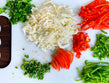
If you are wondering how to prep salad quickly, begin with ingredients that can be washed or chopped ahead without losing too much texture.
Good options include:
-
cabbage
-
carrots
-
capsicum
-
spring onion
-
sweet corn
-
firm herbs
-
nuts and seeds
Tomato and cucumber need slightly more care because they can release water after cutting. Keep them whole until closer to serving when possible, or remove particularly watery centres before packing.
An electric chopper can help shorten preparation when several firm vegetables need to be chopped. Use short pulses so the ingredients remain distinct instead of becoming finely minced.
This is where kitchen appliances should save time without taking away control over the final texture.
Step 3: Keep the Dressing Separate Until You Need It
Many salads become soft because the dressing is added too early.
For meals that will be eaten later:
-
Pack the vegetables and filling separately from the dressing.
-
Keep nuts, seeds or croutons dry.
-
Add salt closer to serving.
-
Toss only when you are ready to eat.
This is especially useful for easy lunch recipes for busy weekdays, where the salad may sit for several hours before lunchtime.
The dressing should lightly coat the ingredients rather than collect at the bottom of the bowl.
Step 4: Turn One Chopped Base into Different Salads
Once the vegetables are ready, the flavour can change with only a few additions.
For an Italian-Style Bowl
Combine lettuce or cabbage with capsicum, cucumber, tomato, olives if available and a light lemon-herb dressing.
The same chopping approach works well for an Italian chopped salad recipe, where keeping the vegetable pieces small but distinct helps every spoonful contain a balanced mix without turning the salad watery.
For a More Filling Lunch
Add chickpeas, paneer, quinoa or corn to the chopped vegetables.
Finish with roasted seeds or nuts and a simple dressing. One substantial addition is usually enough; adding several heavy ingredients can make the salad feel less fresh.
For a Very Light Meal
Use cucumber, carrot, cabbage and herbs with lemon, pepper and a small amount of salt.
This works well when the salad is accompanying another dish rather than replacing the entire meal.
Step 5: Use Leftovers Before Creating More Prep
Quick meals become easier when ingredients already prepared for another dish are used again thoughtfully.
Cooked quinoa can become a salad base. Roasted vegetables can be cooled and added to greens. Leftover paneer can be cut into smaller pieces and paired with cucumber or capsicum.
This is one of the most useful quick meal prep ideas for busy days because it reduces both food waste and the number of separate ingredients that need to be prepared.
The key is to cool cooked ingredients before adding them to raw vegetables so trapped heat does not soften the salad.
Step 6: Make Dressings Without Creating Extra Work
A salad does not need a complicated dressing every time.
Three simple combinations are enough for most weekday meals:
-
Fresh: Lemon juice, olive oil, pepper and salt
-
Creamy: Thick curd, lemon juice and roasted cumin
-
Slightly Sweet: Lemon juice, olive oil and a small amount of honey
A hand blender can be useful when preparing a larger quantity of curd-based dressing or a smooth herb dressing. Blend only until combined; the aim is to make the dressing uniform, not overly thin.
Store prepared dressing separately and use only what the salad needs.
Step 7: Pack According to When You Will Eat
For immediate eating, the salad can be assembled and tossed at once.
For a packed meal:
-
Place firmer vegetables at the bottom
-
Keep wetter ingredients towards the top
-
Carry dressing separately
-
Add crunchy toppings last
This small change can make the difference between a fresh lunch and a bowl that feels soft by the time it is opened.
Fast Salads Depend More on Preparation Than Recipes
The quickest salad is rarely the one with the fewest ingredients. It is the one where the ingredients are already prepared in the right way.
Wash and chop firm vegetables ahead, keep wet ingredients separate, reuse suitable leftovers and add dressing only when needed.
With that basic system in place, salads become much easier to fit into busy days without needing a completely new recipe every time.
FAQ
-
What vegetables can be chopped ahead for salads?
Carrots, cabbage, capsicum and spring onion generally hold their texture better than very watery vegetables.
-
How can I stop a packed salad from becoming soggy?
Keep the dressing, salt and crunchy toppings separate until you are ready to eat.
-
What can make a salad more filling?
Add one substantial ingredient such as chickpeas, paneer, quinoa or boiled egg if preferred.
-
Can cooked vegetables be added to salads?
Yes. Cool them completely before combining them with fresh vegetables.
-
How long should salad dressing be added before eating?
For the freshest texture, add and toss the dressing only shortly before serving.