Skip to content


Restaurant-style paneer butter masala does not need excessive butter, cream or sugar. Cook the tomato-cashew base until its raw sharpness disappears, blend it into a smooth gravy, let the spices cook properly and adjust sweetness only after tasting. Add paneer near the end so it remains soft.
Restaurant-style paneer butter masala is often recreated by increasing the butter, cream and sugar. That may make the gravy richer, but it can also leave it heavy and noticeably sweet.
A more balanced version gives each ingredient a clear role. Tomatoes bring brightness, cashews soften their sharpness, spices add warmth and butter rounds everything out. The aim is a creamy gravy in which no single ingredient overpowers the paneer.
What Does "Restaurant-Style" Mean in This Recipe?
Here, restaurant-style means achieving four things:
• A smooth gravy without tomato skin or coarse spice pieces
• Enough body to coat the paneer
• Mild sweetness that does not hide the tomato flavour
• Soft paneer that remains intact in the gravy
Paneer butter masala is one of the familiar Indian delicacies where richness works best when it supports the main ingredients rather than dominating them.
Ingredients for the Tomato-Cashew Base
• 4 medium ripe tomatoes, roughly chopped
• 1 medium onion, sliced
• 12–15 cashews
• 1 tablespoon butter
• 1 teaspoon oil
• 1 teaspoon ginger-garlic paste
• ½ teaspoon cumin seeds
• 1 small bay leaf
• ½ cup water
Ingredients for Seasoning and Finishing
• 250 g paneer, cubed
• 1 teaspoon Kashmiri chilli powder
• ½ teaspoon coriander powder
• ¼ teaspoon turmeric
• ½ teaspoon garam masala
• ½ teaspoon kasuri methi
• 2 tablespoons cream
• ½ teaspoon sugar, only if required
• Salt as required
• Water to adjust consistency
Balance 1: Cook Away the Raw Tomato Sharpness
Heat the oil and half the butter. Add cumin and bay leaf, followed by the onion.
Cook until the onion softens without browning deeply. Add the ginger-garlic paste, then tomatoes, cashews and water.
Continue cooking until:
• the tomatoes have completely softened
• the onion no longer feels firm
• the cashews press easily
• most of the loose water has reduced
Do not rush to the blender. Turning undercooked tomatoes into a smooth paste may improve appearance, but it does not remove their raw sharpness.
Balance 2: Blend for Body, Not Just Appearance
Remove the bay leaf and let the mixture cool slightly.
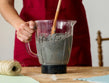
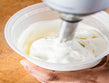
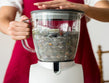
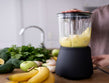
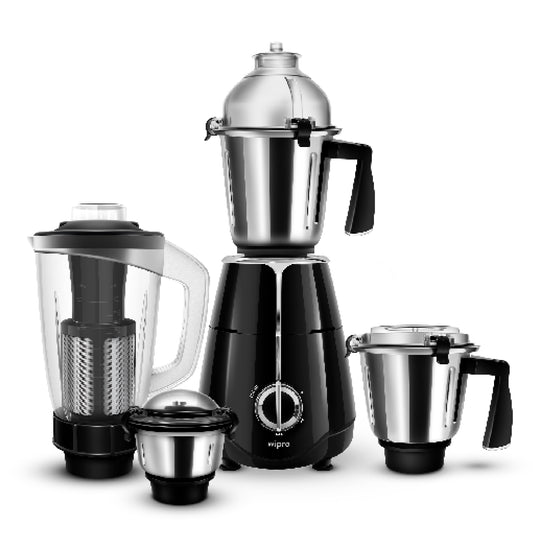
A mixer grinder by Wipro Appliances can make this stage easier because the cooked tomatoes, onions and cashews need to become a uniform gravy base. Add only enough liquid to keep the mixture moving freely.
The grinder blades need enough space around them to circulate the ingredients properly, so avoid overfilling the jar or adding all the water at once.
For an especially smooth restaurant-style finish, pass the blended gravy through a sieve. This is optional, but it removes tomato skin, seeds and any remaining coarse cashew particles.
This is also where kitchen appliances should save effort rather than complicate the recipe: the appliance handles the repetitive blending, while you still decide whether the gravy needs another few seconds or a little more liquid.
Balance 3: Let the Spices Cook in the Gravy
Return the pan to low heat and add the remaining butter. Pour in the blended gravy carefully.
Add:
• Kashmiri chilli powder
• Coriander powder
• Turmeric
• Salt
Cook over medium-low heat, stirring regularly. Move to the next stage when the gravy looks glossier, has thickened slightly and no longer smells like freshly blended tomato.
If it starts sticking, loosen it with a small splash of hot water rather than adding cream too early.
An induction cooktop by Wipro Appliances can make this stage easier when the recipe needs you to move between steady medium heat for cooking the gravy and gentler heat for the final paneer and cream.
Balance 4: Correct the Gravy Before Adding Paneer
Taste the sauce before automatically reaching for sugar or cream.
• Too sharp: Cook it a little longer.
• Too thick: Add hot water gradually.
• Too spicy: Add a little cream.
• Too flat: Adjust salt or kasuri methi.
• Still noticeably sour: Add only a small pinch of sugar.
Sugar should correct excess sourness, not become a flavour of its own.
Add Paneer Only for the Final Few Minutes
Gently fold the paneer cubes into the prepared gravy and cook over low heat for two to three minutes.
If refrigerated paneer feels firm, place it in warm water briefly, drain and then add it to the gravy. This is gentler than keeping it simmering until it softens.
Finish the Gravy Away from High Heat
Lower the heat and add:
• Cream
• Garam masala
• Crushed kasuri methi
Mix gently and switch off. Add another small piece of butter only when the gravy genuinely needs more richness or gloss.
Rest the dish for about five minutes before serving.
What Should Not Dominate the Dish?
A balanced paneer butter masala should not taste mainly of:
• Sugar: It should correct sourness, not make the curry sweet.
• Cream: It should soften the gravy without making it bland.
• Butter: It should round out the flavours rather than create an oily layer.
• Garam masala: A small amount at the end is enough.
• Kasuri methi: Use it lightly so it does not overpower the sauce.
Restaurant Style Comes from Restraint
Extra richness does not automatically create a better paneer butter masala.
Cook the tomatoes fully, blend the base smoothly, taste before adding sugar and introduce the paneer only near the end. That balance gives the gravy its restaurant-style character without making it unnecessarily heavy or sweet.
Frequently Asked Questions
-
Why does paneer butter masala taste sour?
The tomatoes may need more cooking, or the gravy may need a very small amount of sugar for balance.
-
Can the gravy be made without cashews?
Yes. The finished texture will be lighter, but cream or melon seeds can provide some body.
-
Should paneer be fried before adding it?
It is optional. Frying can make the paneer firmer.
-
Can milk replace cream?
Yes. Add warm milk gradually over low heat to reduce the chance of splitting
-
How should leftover gravy be stored?
Cool it promptly, refrigerate it in a covered container and reheat only the portion required.