Skip to content


A satisfying amritsari chole kulcha recipe depends on getting two very different textures right: chickpeas that are soft enough to absorb the masala and kulchas that stay tender rather than turning dry. Soak and cook the chole fully, give the masala time to bhuno, rest the kulcha dough, and bring both together only when you are ready to serve.
Chole and kulcha work because each part does a different job. The chole brings a thick, spice-led gravy, while the kulcha gives you a soft bread for scooping it up.
When making amritsari chole kulche at home, the easiest approach is not to rush both components at once. Start with the chickpeas, build the gravy while the dough rests, and cook the kulchas towards the end.
What You Need for Chole and Kulcha
For the Chole
• 1½ cups dried kabuli chana, soaked overnight
• 1 large onion, finely chopped
• 2 tomatoes, puréed or finely chopped
• 1 teaspoon ginger-garlic paste
• 1 teaspoon cumin seeds
• 1½ teaspoons chole masala
• 1 teaspoon coriander powder
• ½ teaspoon red chilli powder
• ½ teaspoon amchur
• 1 black cardamom
• 1 small cinnamon piece
• Salt as required
• Oil as required
For the Kulcha
• 2 cups maida
• ¼ cup curd
• ½ teaspoon baking powder
• ¼ teaspoon baking soda
• ½ teaspoon salt
• ½ teaspoon sugar
• 1 tablespoon oil
• Water as required
• Butter or ghee for finishing
Step 1: Cook the Chickpeas Until Soft, Not Broken
Drain the soaked chickpeas and cook them with fresh water, salt and the whole spices.
They should become soft enough to press between your fingers but still remain intact. Undercooked chickpeas will not absorb the gravy properly, while overcooked ones can turn the final dish pasty.
An Elato Digital Electric Pressure Cooker by Wipro Appliances can simplify this stage. Its 6-litre capacity and pressure-cooking functions make it suitable for soaked chickpeas and other legumes, while the sauté mode can also be used for one-pot preparations.
This is where kitchen appliances should reduce monitoring rather than replace judgement. Check the chickpeas for softness before moving them into the masala.
Step 2: Rest the Kulcha Dough While the Chole Cooks
Combine maida, baking powder, baking soda, salt and sugar.
Add curd and oil, followed by water gradually. Knead until the dough feels soft rather than tight.
Cover and rest for about 30 minutes.
The dough should:
• feel smooth when pressed
• stretch without tearing immediately
• remain soft without sticking heavily
• roll without repeatedly shrinking back
Resting matters because a stiff, unrested dough can make homemade kulcha dense.
Step 3: Build the Chole Masala Properly
Heat oil and add cumin.
Add the onion and cook until softened and lightly browned. Stir in ginger-garlic paste, followed by the tomatoes.
Once the tomato mixture begins thickening, add chole masala, coriander powder, chilli powder and salt.
This stage should not be rushed. A good Punjabi chole recipe develops much of its flavour while the onion-tomato base cooks down before the chickpeas are added.
Look for three signs:
-
The raw tomato aroma has disappeared.
-
The masala looks thicker and darker.
-
Oil begins appearing lightly around the edges.
Step 4: Let the Chole and Masala Finish Together
Add the cooked chickpeas with some of their cooking liquid.
Simmer until the gravy thickens and begins coating the chickpeas. Lightly mash a few chickpeas against the side of the pan if you want more body without adding another thickener.
Finish with amchur and adjust salt.
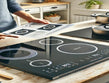
A Vesta induction cooktop by Wipro Appliances can be useful here because the chole moves from stronger heat during the masala stage to gentler simmering once the chickpeas are added. The 2000W model provides multiple power levels and touch controls for adjusting heat through these stages.
The advantage of an induction cooktop here is control: the gravy should simmer steadily rather than boil so aggressively that the chickpeas start breaking apart.
Step 5: Roll the Kulchas Without Making Them Too Thin
Divide the rested dough into equal balls.
For each kulcha:
-
Flatten the dough gently.
-
Dust lightly with flour.
-
Roll into a medium-thick oval or round.
-
Avoid pressing repeatedly at the edges.
A kulcha that is rolled extremely thin may cook quickly but lose the soft centre that works best with thick chole.
Step 6: Cook the Kulcha Close to Serving
Heat a tawa over medium-high heat.
Place one rolled kulcha on the hot surface. Once bubbles begin appearing, flip it and cook the second side until golden patches develop.
Turn once more if needed, then brush lightly with butter or ghee.
Keep cooked kulchas under a clean cloth while finishing the batch. This helps them stay soft without trapping excessive moisture.
Check Both Parts Before They Reach the Plate
|
If You Notice |
Try This |
|
Chole feels watery |
Simmer uncovered for longer |
|
Chickpeas remain firm |
Cook them further before adding more masala |
|
Kulcha keeps shrinking |
Rest the dough longer |
|
Kulcha becomes hard |
Use softer dough and avoid overcooking |
|
Chole tastes flat |
Check salt and amchur before adding more spice |
Bring Them Together Only at Serving Time
Learning how to make amritsari chole kulcha is easier when the two components are treated separately.
Give the chickpeas enough time to soften, allow the masala to cook properly and keep the gravy thick enough to cling. Meanwhile, rest the kulcha dough and cook each bread shortly before serving.
Finish the plate with sliced onion, lemon and a little coriander rather than adding too many sides. The contrast between bold chole and soft kulcha should remain the centre of the meal.
Frequently Asked Questions
-
Can chole be prepared in advance?
Yes. Prepare the chole earlier and reheat it gently before serving with freshly cooked kulchas.
-
Why is my chole watery?
The gravy may need longer uncovered simmering, or too much cooking liquid may have been added.
-
Why does homemade kulcha become hard?
The dough may be too stiff, insufficiently rested or cooked for too long.
-
Can kulcha dough be prepared without yeast?
Yes. This version uses curd, baking powder and baking soda instead.
-
Should kulcha be cooked before the chole is ready?
Preferably not. Cook the kulchas closer to serving so they remain soft and warm.