Skip to content


A garment steamer is great for quick touch-ups, delicate clothes and last-minute outfit fixes. But after using both, I still go back to my steam iron when I need sharp collars, crisp cottons and clothes that look properly finished.
I wanted to be a steamer person. It looked easier. No ironing board drama, no flipping clothes around, no waiting to press each sleeve properly. Just hang the shirt, steam it, wear it and leave. For light creases, it worked beautifully. But after a few weeks, I noticed something: my clothes looked wrinkle-free, but not always neat.
But, there is a difference. My linen shirt looked relaxed, but not crisp. My cotton kurta looked better, but not freshly pressed. The collar of my work shirt still looked like it had its own personality. That is when I stopped treating my steamer and iron like rivals. I started using them for different jobs.
And honestly, that changed my morning routine.
What Is a Garment Steamer, Really?
Before I used one regularly, I also wondered, how to use garment steamer and why people were replacing irons with it.
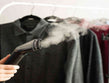
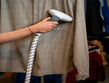
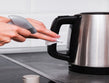
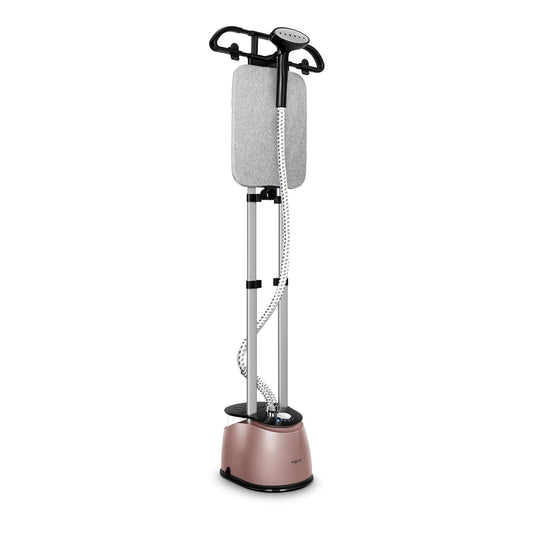
A garment steamer is a garment care appliance that uses hot steam to relax fabric fibres and reduce wrinkles. Instead of pressing the cloth against a flat hot soleplate, you hold the steamer close to the hanging garment and let steam loosen the creases.
This makes it very useful for:
-
Clothes that are already hanging
-
Delicate fabrics
-
Light wrinkles
-
Travel outfits
-
Last-minute touch-ups
-
Clothes with pleats, frills or embroidery
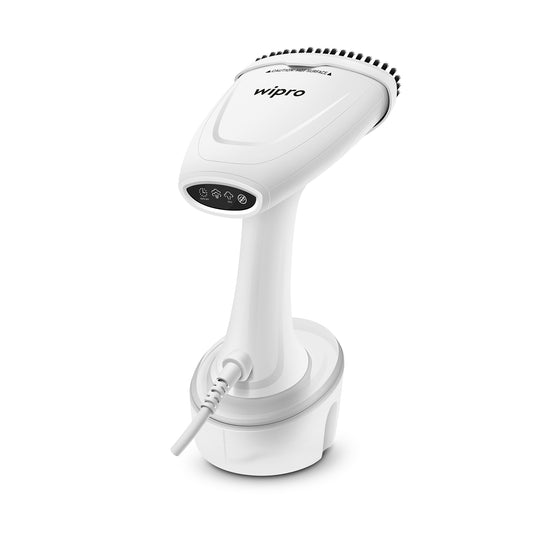
For example, the Handheld Garment Steamer available on the Wipro Appliances website is compact and made for quick vertical steaming. That makes sense for people who do not want a full ironing setup every morning.
But a steamer does not press fabric flat in the same way an iron does. That is the part I learned only after using it regularly.
Why I Went Back to My Iron
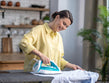
I went back to my iron because some clothes simply need pressure, heat and steam together.
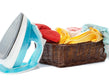
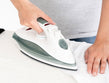
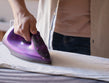
A steam iron does not just remove wrinkles. It shapes the garment. It flattens seams, sharpens collars, smoothens cuffs and gives cotton clothes that clean, finished look.
Here is where my iron still wins:
-
Cotton shirts: Cotton shirts look much better with an iron because it gives them a sharper, office-ready finish.
-
Formal trousers: An iron helps create neat creases and makes formal trousers look more structured.
-
School uniforms: For school uniforms, an iron works better because the clothes look cleaner, flatter and more put-together.
-
Linen kurtas: Linen wrinkles easily, and an iron does a better job of reducing deep creases.
-
Saree pleats: An iron helps hold saree pleats properly, especially when you want them to fall neatly.
-
Heavy cotton dresses: Heavy cotton fabric usually needs more pressure, so an iron works faster on stubborn wrinkles.
For daily Indian homes, this matters. We deal with cotton, linen, denim, uniforms, sarees, dupattas and office wear. A steamer is helpful, but it cannot replace the crispness of a proper iron for all fabrics.
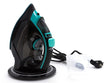
This is where Wipro Appliances’ steam iron range fits naturally. Models like the Cord + Cordless Steam Iron and 2200W Steam Iron are built for both vertical and horizontal ironing, so you get more control depending on the fabric and the situation.
When I Still Use My Garment Steamer
I have not stopped steaming. I just use it more wisely now. The benefits of garment steamer usage are very clear when I am short on time or dealing with delicate clothes.
I still steam when:
-
I need to freshen up a worn-once outfit.
-
A dress has light packing wrinkles.
-
I do not want to press embroidery directly.
-
I am handling chiffon, georgette or flowy fabrics.
-
I need to fix one visible crease before leaving.
-
I want to smooth curtains or hanging fabric.
-
I am travelling and do not have space for a full iron setup.
How to Use the Garment Steamer Without Making Clothes Damp
Once I understood how to use the garment steamer properly, the results became much better. Earlier, I would hold it too close, over-steam one spot and then wonder why the fabric felt slightly damp.
Here is what worked for me:
-
Fill the water tank only as instructed.
-
Let the steamer heat up fully before using it.
-
Hang the garment properly on a hanger.
-
Hold the fabric slightly taut from the bottom.
-
Move the steamer slowly from top to bottom.
-
Keep a small gap instead of pressing it hard onto the cloth.
-
Let the garment dry for a minute before wearing it.
The biggest lesson in how to use the garment steamer is patience. It is not about blasting steam randomly. It works best when the fabric is hanging straight, and the steam moves evenly across the creased areas.
What I Would Tell Anyone Buying One
Do not buy a garment steamer thinking it will completely replace your iron. Buy it because it makes certain garment care tasks easier.
A good steamer helps when you want speed, convenience and gentle wrinkle removal. A good iron helps when you want sharpness, structure and a polished look. For most homes, both have their place in the home appliances routine.
Wipro Appliances make this choice easier because the website has both steam irons and handheld garment care options. So instead of choosing based on trend, you can choose based on your clothes.
The Better Answer Is Not Either-Or
After using both, I do not think the real question is “iron or steamer?” The better question is: what kind of finish do you need today?
For crisp shirts, uniforms, pleats and cottons, I still trust my iron. For delicate clothes, quick touch-ups and light wrinkles, I still steam. That balance has made my clothes look better and my mornings less chaotic. And that, honestly, is the most useful thing I learned.
Once you've settled on the iron for crisp cottons and sharp collars, the next step is looking after it. Our steam iron maintenance tips cover the right water to use so it keeps delivering that finish.