Skip to content


Shivratri fasting doesn’t have to mean bland food or long hours in the kitchen. When you know what to eat in Shivratri fast, you can plan nourishing, sattvic meals that keep you energised while staying true to tradition. From fruits and dairy to vrat-friendly grains, here’s a complete, easy guide to Shivratri fasting food, with smart cooking tips that make preparation effortless.
Understanding Shivratri Fasting Food Rules
Shivratri vrat follows sattvic principles. Only foods that are light, pure, and easy to digest are consumed. Most people observe a phalahar fast, which allows select ingredients while avoiding grains, lentils, onion, garlic, and regular salt.
The focus of the fast is simple and clear:
-
Maintain energy: Should maintain steady energy levels throughout the day without feeling weak or sluggish.
-
Avoid overly processed food: Processed and heavy foods can burden digestion during fasting.
-
Eat fresh, home-prepared meals: Prioritise fresh, home-prepared meals that align with sattvic fasting principles
What Can We Eat in Shivratri Fast?
The idea of Shivratri’s fast is simple: eat light, eat clean, and eat foods that keep your energy steady through the day. Let’s break down the most commonly allowed categories that make fasting easier and tastier.
1.Fruits & Dry Fruits (Instant Energy Boosters)
Fresh fruits are usually the backbone and the safest choice. They’re refreshing, easy to digest, and give you that quick burst of natural energy without weighing you down. Dry fruits add staying power, keeping hunger pangs in check for longer hours.
Best picks for the fast:
-
Fresh fruits like banana, apple, papaya, and pomegranate for hydration and instant energy
-
Dates, figs, raisins, almonds, cashews, and walnuts for nourishment and fullness
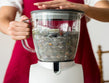
A quick kitchen tip: Chopping fruits or dry fruits for bowls, chaats, or prasad becomes much quicker with a handy electric chopper, especially during early morning vrat prep when you want things done fast.
2.Dairy Products (Sattvic & Filling)
Dairy plays a big role in Shivratri fasting food because it’s sattvic, filling, and incredibly versatile. Milk-based foods are gentle on the stomach and help balance energy levels, especially when fruits alone don’t feel enough.
Commonly consumed dairy options:
-
Milk, curd, and paneer for protein and sustained energy
-
Ghee or butter in small amounts to enhance taste and satiety
Dairy pairs beautifully with vrat ingredients. Whether it’s kheer, smoothies, or paneer-based meals, dairy makes fasting food feel comforting rather than restrictive.
3.Vrat-Friendly Flours & Grains
Once fruits and dairy aren’t enough, vrat-friendly flours and grains step in to make fasting meals more wholesome and satisfying. These ingredients are specially consumed during Shivratri and are considered safe alternatives to regular grains.
Sabudana, kuttu atta, singhara atta, and rajgira are commonly used to prepare rotis, khichdi, parathas, or even light desserts during the fast. They’re filling without being heavy and help keep energy levels stable through long fasting hours. Preparing fresh batters or mixes at home also makes a noticeable difference in taste and texture—especially when blending or grinding is done evenly and quickly using modern kitchen appliances.
-
Sabudana works well for soft, comforting meals like khichdi or kheer
-
Kuttu, singhara, and rajgira flours are ideal for rotis, puris, and fasting snacks
4.Vegetables Allowed During Shivratri Fast
Vegetables during Shivratri fasting are kept minimal and simple. Only select root vegetables are allowed, as they’re considered sattvic and easy to digest when cooked lightly.
Potatoes, sweet potatoes, arbi, pumpkin, and raw banana are the most commonly used vegetables during the fast. They’re versatile, filling, and pair well with vrat flours and spices like cumin and rock salt. Since these vegetables often need peeling, chopping, and boiling, prepping them efficiently helps save both time and effort during fasting days.
-
Root vegetables like potatoes and sweet potatoes form the base of most vrat meals
-
Onion, garlic, and leafy vegetables are strictly avoided unless regional customs say otherwise
5.Nuts, Seeds & Fasting Essentials
Nuts and seeds add crunch, flavour, and healthy fats, making fast food more balanced and satisfying.
Peanuts, coconut, and sesame seeds are frequently used in chutneys, snacks, or simply roasted and eaten as-is. One key rule to remember is salt: only sendha namak (rock salt) is allowed during the fast, while regular table salt is completely avoided. These small details are what keep fasting food aligned with tradition.
-
Nuts and seeds help keep you full for longer without overeating
-
Sendha namak is the only salt used in Shivratri fasting food
Foods to Avoid During Shivratri Fast
Knowing what not to eat is just as important as knowing what to eat in the Shivratri fast. Certain foods are avoided because they’re considered heavy, tamasic, or overly processed.
Regular wheat flour, rice, pulses, lentils, onion, garlic, and packaged foods are all excluded during Shivratri fasting. The idea is to keep meals clean, light, and freshly prepared at home, which naturally supports better digestion and overall well-being during the fast.
-
Regular grains, lentils, and processed foods are completely avoided
-
Fresh, simple, home-cooked meals are always preferred over store-bought options
Making Shivratri Cooking Easier at Home
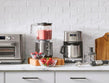
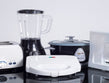
Shivratri cooking may look simple on the plate, but there’s a lot happening behind the scenes; from soaking sabudana to chopping fruits, blending smooth batters, and slow-cooking vrat meals. The right kitchen appliances make all of this far less tiring, while still keeping food fresh and sattvic. Electric choppers quickly chop fruits, dry fruits, and boiled vegetables, reducing manual effort.
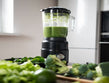
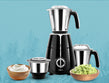
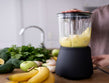
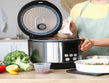
Mixer grinder and blenders help you get smooth, lump-free batters, smoothies, and milk-based fasting drinks without the extra work. One-pot appliances like soup makers are especially handy for vrat soups, kheer, or light meals, as they handle sautéing, blending, and cooking in one go. In the end, you get hygienic, well-cooked food with full control over ingredients, so tradition stays exactly as it should, just a lot easier to follow.
Eating Right During Shivratri Fast
A balanced fast isn’t about eating less; it’s about eating right. Rotate fruits, dairy, and vrat grains, stay hydrated, and avoid over-fried foods. When planned well, Shivratri fasting food can be both nourishing and fulfilling.
FAQs
-
What to eat in Shivratri fast to stay energised all day?
Combine fruits, dairy, and vrat grains like sabudana or kuttu atta. Balanced meals prevent fatigue and help maintain steady energy levels.
-
Can kitchen appliances be used while preparing Shivratri fasting food?
Yes. Appliances like electric choppers and blenders simplify prep while maintaining hygiene and consistency in vrat cooking.
-
Is it okay to prepare vrat smoothies or soups using a soup maker?
Absolutely. Soup makers are ideal for milk-based fasting drinks, fruit purees, and light vrat soups with minimal supervision.
-
How can appliances help save time during Shivratri fasting days?
Appliances reduce manual effort—chopping, blending, and controlled cooking happen faster, making fast meals easier to manage.
-
Are home appliances suitable for making sabudana or kuttu batter?
Yes. Modern mixers and blenders help achieve smooth, even batters, improving the taste and texture of vrat dishes.