Skip to content


Electric kettles are among the fastest and most convenient kitchen appliances today. From early-morning tea to quick instant meals, they quietly support daily routines, often without us realising how much electricity they actually consume. This guide breaks down electric kettle power consumption, explains electric kettle wattage, and helps you understand how to use your kettle efficiently without compromising convenience.
Understanding Electric Kettle Wattage
Most electric kettles available in India operate between 1200W and 2000W. This wattage represents how much power the kettle draws while heating water. Higher wattage means faster boiling, but it doesn’t always translate into higher overall energy consumption.
For example, a 1500W electric kettle running for 5 minutes uses less electricity than a 1000W kettle running for 8-10 minutes. This balance between speed and efficiency is why modern electric kettles, including those featured on the Wipro Appliances website, are designed to optimise heating time rather than simply pushing wattage higher.
How Much Power Does an Electric Kettle Actually Consume?
Electric kettle power consumption isn’t a fixed number. It varies based on how you use the appliance. Understanding the role of wattage, boiling time, and the amount of water helps you estimate actual electricity usage more accurately and use your kettle more efficiently.
On average:
-
A 1500W kettle used for 5 minutes consumes around 0.125 units of electricity per boil
-
Even with 3-4 uses daily, monthly consumption usually stays under 10-12 units
Electric kettles are considered more energy-efficient than stovetop boiling due to direct heating and reduced heat loss. This makes electric kettles one of the most efficient kitchen electronic items for heating water.
Factors That Influence Kettle Power Consumption
Electric kettle power consumption isn’t fixed; it varies based on how the kettle is used and the features it offers. Understanding these influencing factors helps you make smarter choices that save electricity without affecting performance.
Water Quantity
Heating more water than necessary directly increases boiling time and electricity consumption. Measuring and filling only the required amount allows the kettle to reach boiling faster, reducing overall kettle power usage and improving efficiency during everyday use.
Heating Efficiency
Modern electric kettles are designed with concealed heating elements that deliver heat directly to the water rather than losing it to the surroundings. This efficient heat transfer shortens boiling cycles and ensures optimal electric kettle power consumption with every use.
Auto Shut-Off Technology
Automatic cut-off ensures the kettle stops drawing power the moment the water reaches the boiling point. This not only prevents energy wastage but also adds a critical safety layer, protecting the appliance from overheating and dry-boil damage.
Electric Kettle vs Other Heating Appliances
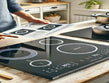
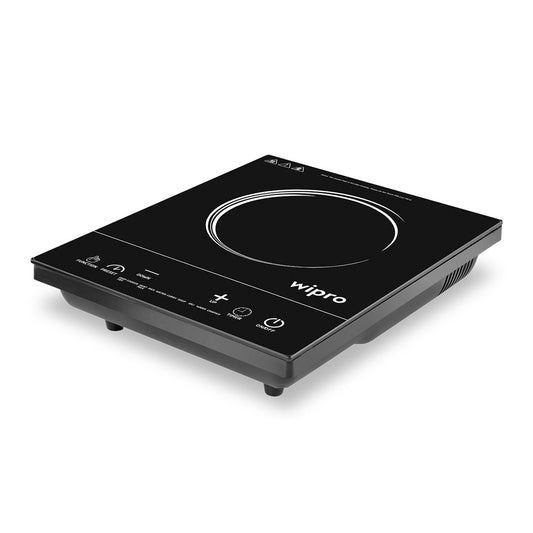
When compared to gas stoves or induction cooktops for boiling small quantities of water, electric kettles are often more efficient. For daily tasks like tea, coffee, or instant foods, electric kettles consume less energy overall than multi-purpose cooking appliances used briefly.
-
No preheating required - Electric kettles start heating water instantly as soon as they are switched on, unlike gas stoves or induction cooktops that require preheating. This immediate operation reduces wasted energy and shortens overall cooking time for quick tasks.
-
No residual heat loss - Once an electric kettle switches off, it stops consuming power immediately. Unlike gas or induction surfaces that continue releasing residual heat, kettles minimise energy loss and use electricity only for active heating.
-
Faster boiling time - Electric kettles are specifically designed for water heating, allowing them to boil faster than multi-purpose appliances. Shorter boiling cycles mean lower total electricity consumption, making them more energy-efficient for everyday use.
Is Higher Wattage Always Better?
Not necessarily. While higher electric kettle wattage ensures quicker boiling, energy efficiency depends on how effectively that power is used.
A well-designed 1500W kettle can be more efficient than a poorly insulated 2000W model. That’s why choosing trusted appliance brands where performance, safety, and efficiency are balanced matters.
Smart Usage Tips to Reduce Electricity Bills
Small, mindful habits can significantly lower electric kettle power consumption without changing how you use the appliance. These simple practices help maximise efficiency while keeping everyday usage convenient.
-
Right Quantity: Boiling only the amount of water you actually need reduces heating time and unnecessary electricity use. Overfilling the kettle forces it to consume more power without adding any real benefit.
-
Regular Descaling: Limescale buildup acts as an insulator, slowing down heat transfer and increasing power consumption. Descaling the kettle periodically ensures faster boiling and maintains optimal heating efficiency.
-
No Re-Boiling: Reheating leftover water wastes electricity and shortens the kettle’s lifespan. Fresh boiling is quicker and more energy-efficient than repeatedly reheating already boiled water.
-
Appliance Choice: Using an electric kettle for heating water is more efficient than switching on larger appliances like gas stoves or induction cooktops for small quantities. The kettle’s focused heating design minimises power loss and saves energy.
Why Electric Kettles Make Sense for Modern Kitchens
Electric kettles strike the perfect balance between speed, safety, and efficiency. Their controlled kettle wattage, short operating cycles, and focused functionality make them one of the most economical electric kitchen appliances for daily use
FAQs
-
Is an electric kettle more energy-efficient than a gas stove or microwave for boiling water?
Yes. Electric kettles are generally more energy-efficient for boiling small quantities of water because they heat water directly with minimal heat loss compared to gas stoves and even microwaves.
-
How do I choose the right kettle wattage?
Choose 1200-1500W for light daily use and 1500-1800W if you need faster boiling or use the kettle frequently. Wipro electric kettles are designed to balance speed and energy efficiency.
-
Does higher kettle wattage increase electricity bills?
Not necessarily. Higher wattage kettles boil water faster, which often reduces total electricity consumption when used efficiently.
-
How much power does an electric kettle consume per use?
A typical electric kettle consumes around 0.1–0.15 units of electricity per boil, depending on wattage and water quantity.
-
Do safety features affect electric kettle power consumption?
Yes. Features like auto shut-off and boil-dry protection prevent unnecessary power usage and improve overall energy efficiency.