Skip to content


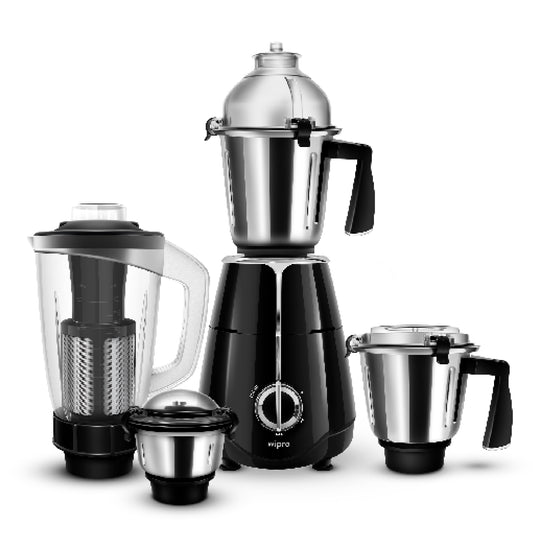
A mixer grinder is a staple in most Indian kitchens, helping prepare everything from spice blends to smoothies. Yet, one common complaint remains the same across households: the loud mixer grinder sound. Early mornings, late evenings, or compact apartments can make this noise especially bothersome.
That is where understanding the reasons mixer grinders make noise and learning practical ways to reduce it can help you move closer to a noise-free mixer-grinder experience without compromising performance. This blog delves exactly into the same as you read ahead.
Why Mixer Grinders Make Noise
Mixer grinders operate using high-speed motors designed to rotate blades at thousands of revolutions per minute. This speed is essential for grinding tough ingredients, but is also the primary reason for noise.
One major contributor is motor vibration. When the motor runs at high speed, vibrations travel through the appliance body and surface beneath it, amplifying sound. Another factor is blade resistance. Hard ingredients like dry spices, ice, or pulses increase the load on the motor, resulting in a louder mixer grinder sound.
Loose internal components, worn bearings, or improper assembly can also increase noise over time. Additionally, the material of the jars and lids plays a role: thin or rigid materials tend to transmit sound more easily. While many people look for a silent mixer grinder, it’s important to understand that some level of noise is unavoidable due to the appliance’s working mechanism.
How to Reduce Mixer Grinder Noise
Reducing noise doesn’t always require replacing your appliance. Small adjustments in placement, usage, and surroundings can significantly improve your kitchen sound environment and help achieve a noiseless mixer grinder feel.
Keep It Away from the Wall
Placing a mixer and grinder too close to a wall can increase noise through sound reflection. When vibrations hit hard surfaces like tiled walls, the sound bounces back and becomes louder.
Keeping some distance between the appliance and the wall allows vibrations to dissipate rather than echo. This simple change can noticeably reduce the overall mixer grinder sound, especially in small kitchens.
Place It on a Thick Mat
Kitchen countertops are usually made of granite, marble, or steel: materials that amplify vibration. Placing the mixer grinder directly on such surfaces increases noise.
Using a thick rubber mat, silicone pad, or folded cloth underneath the appliance helps absorb vibrations. This reduces surface resonance and creates a more stable base, contributing to a quieter, more noise-free mixer grinder experience during daily use.
Use Acoustic Foam Around the Area
Acoustic foam isn’t just for studios; it can help in kitchens too. Installing sound-absorbing material on nearby walls or inside cabinets where the mixer grinder is stored can help reduce reflected noise.
While this method won’t make the appliance completely silent, it can soften sharp sounds and lower overall noise levels. This approach is especially useful for households aiming for a silent mixer grinder setup in shared living spaces.
Ways to Maintain Low Noise Levels
Noise reduction isn’t just about placement; it also depends on how well the mixer grinder is maintained and used over time. Here are some tips:
-
Regular cleaning is crucial. Food residue around blades or inside jars causes imbalance, forcing the motor to work harder and generate more noise. Ensure jars and lids are properly locked before operation, as loose fittings increase rattling sounds.
-
Avoid overloading the jar beyond the recommended capacity. Excess ingredients increase motor strain and raise the mixer grinder sound. Similarly, grinding very hard ingredients continuously without breaks can cause overheating and louder operation.
-
Periodic inspection helps too. Worn-out rubber feet, damaged couplers, or loose screws can all contribute to excess noise. Replacing these small components can significantly improve performance and reduce sound output.
-
Using the right jar for the right task also matters. Dry grinding, wet grinding, and blending are designed for different blade types. Incorrect usage increases resistance and noise, making it harder to achieve a noiseless mixer grinder experience.
Understanding Expectations Around Silence
It’s important to set realistic expectations. While many people look for a silent mixer grinder, complete silence isn’t technically possible due to the motor-driven mechanism. However, controlled noise levels, reduced vibration, and smoother operation can bring you very close to a noise-free mixer grinder in practical terms.
Modern kitchens benefit most from smart usage habits, thoughtful placement, and regular upkeep rather than chasing absolute silence.
A Quieter Kitchen Starts with Smarter Habits
A loud mixer grinder doesn’t always mean a faulty one. In most cases, noise is the result of vibration, placement, load, or maintenance issues. Understanding why noise occurs and applying simple corrective measures can significantly reduce the mixer grinder sound and help you enjoy a calmer kitchen environment.
With mindful usage and proper care, everyday kitchen appliances can operate efficiently without disrupting your household, proving that a quieter kitchen is less about silence and more about smarter living.