Skip to content


Creamy, nutty, and unbelievably fresh, homemade peanut butter is one of those simple kitchen wins. It tastes better, costs less, and gives you full control over what you eat. If you’ve ever wondered how to make peanut butter at home without additives or preservatives, this 5-minute method is all you need. With the right appliance and a handful of peanuts, you can turn a simple ingredient into a versatile spread perfect for toast, smoothies, and countless peanut recipes.
Why Make Peanut Butter at Home?
Store-bought peanut butter jars often contain added sugar, hydrogenated oils, and stabilisers. When you make it yourself, the ingredient list is clean and transparent, containing just peanuts and optional natural flavourings. Homemade versions are also nutritionally dense, offering healthy fats and plant protein (per the USDA, peanuts contain 25-26 g of protein per 100 g). This makes it ideal for everyday breakfasts and quick snacks, especially if you enjoy experimenting with groundnut recipes at home.
What You’ll Need
Peanut butter spread goes beyond toast. Use it in smoothies, salad dressings, energy bites, or traditional groundnut recipes like chutneys and curries. Because it’s freshly ground, the flavour is deeper and more aromatic than packaged alternatives. Here’s all you’ll need to make this delicacy.
-
2 cups roasted peanuts (unsalted preferred)
-
A pinch of salt (optional)
-
1-2 tsp honey or jaggery powder (optional)
-
A few drops of neutral oil (only if needed)
-
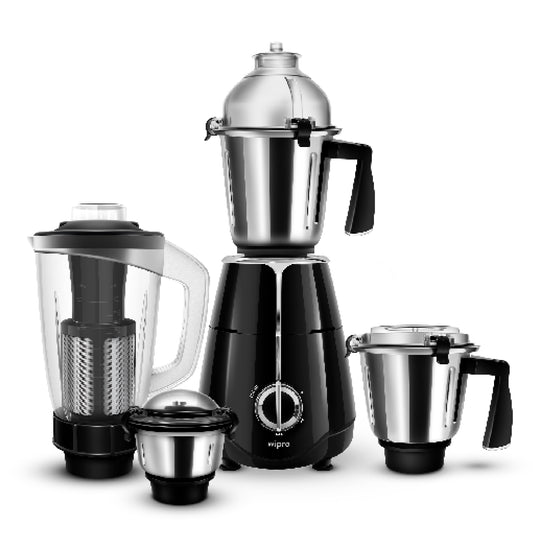
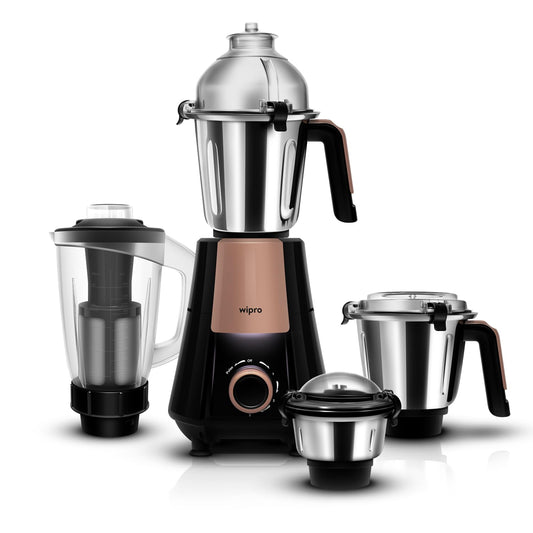
A Wipro mixer and grinder or food processor (both are designed for high-torque grinding and everyday kitchen tasks).
Step-by-Step: Peanut Butter Recipe in 5 Minutes
This quick, no-fuss method breaks down the entire process into simple steps, showing you exactly how to make smooth, homemade peanut butter in under five minutes using everyday kitchen appliances.
Step 1: Roast the Peanuts
If your peanuts aren’t pre-roasted, dry-roast them on a Wipro induction cooktop at medium heat for even browning. Consistent roasting not only deepens the nutty flavour but also helps the peanuts release their natural oils faster during grinding, resulting in smoother peanut butter.
Step 2: Start Grinding
Add the warm peanuts to a mixer grinder or food processor, then pulse. This breaks the peanuts down gradually and prevents the motor from overworking. As you continue, the texture will shift from coarse crumbs to a thick, glossy paste; this transformation is completely normal.
Step 3: Scrape, Grind, Repeat
Pause once or twice to scrape the sides of the jar so all the peanuts grind evenly. Continue processing until you reach your preferred consistency, whether smooth or slightly crunchy. Powerful, well-designed blades help reduce grinding time while delivering a uniform texture.
Step 4: Adjust Flavour & Texture
Add salt or sweetener if desired. Only add oil if the paste feels too dry. Fresh peanuts usually don’t need it. In under five minutes, your peanut butter recipe is ready. One of the best parts of learning how to make peanut butter yourself is customization. If you prefer crunchy, reserve a spoonful of crushed peanuts and mix them in at the end. For a gourmet twist, add cocoa powder or cinnamon. This adaptability makes it a base for a range of peanut recipes, from sauces to desserts.
Storage Tips for Homemade Peanut Butter
Transfer the peanut butter to a clean, completely dry glass jar to prevent moisture from affecting its freshness or texture. Glass is ideal as it doesn’t absorb oils or odours like plastic can. When refrigerated, homemade peanut butter stays fresh for about 2-3 weeks without preservatives. Always use a dry spoon to avoid introducing moisture, which can reduce shelf life. Natural oil separation is a sign of pure, homemade peanut butter with no additives. Simply stir it well before use to restore its creamy consistency and flavour.
A Smarter, Fresher Way to Enjoy Peanuts
Once you try this method, store-bought jars feel unnecessary. Knowing how to make peanut butter at home empowers you to eat cleaner, waste less, and enjoy fresher flavours every day. With the right appliance and a few minutes, this simple peanut butter recipe becomes a staple you’ll return to again and again.
FAQs
-
Can I use a regular blender, or do I need a high-speed one?
You can use a regular mixer grinder, especially one designed for dry grinding, like those from Wipro Appliances. High-speed models work faster, but standard grinders handle peanuts well if you pause and scrape in between.
-
How do I clean the sticky residue off the blades?
Add warm water and a drop of dish soap to the jar and run the mixer for a few seconds. This loosens oily residue, making manual cleaning quick and safe.
-
Is a food processor better than a mixer grinder for peanut butter?
Both work well. A food processor is ideal for larger batches and even textures, while a mixer grinder is perfect for small, everyday quantities of homemade peanut spreads.
-
Can I roast peanuts in a microwave instead of a pan?
Yes. Spread peanuts evenly and microwave in short intervals, stirring in between. However, an induction cooktop offers more uniform roasting and flavour control.
-
Will making peanut butter damage my appliance motor?
Not if you use a quality appliance. Wipro mixer grinders and food processors are built for tough ingredients—just avoid continuous running and follow recommended batch sizes.