Skip to content


Stainless steel, aluminium, cast iron, oven-safe glass, ceramic and silicone bakeware can generally be used in an Oven toast griller. Always check the oven-safe label and avoid plastic, melamine, wood and utensils with heat-sensitive handles.
An OTG can bake a soft cake, roast vegetables, grill paneer and toast bread beautifully, but only when the cookware inside it can handle direct heat. Using the wrong bowl or tray may lead to melting, cracking, uneven cooking or damage to the appliance.
So, which type of utensils are used in an OTG? Here is a simple guide to choosing safe, practical cookware for everyday baking and grilling.
Which Utensils Are Safe for an OTG?
The safest OTG utensils are made from materials that can withstand sustained oven temperatures without melting, warping or cracking.
-
Stainless steel: Suitable for an OTG when it is oven-safe. It works well for cakes, roasting and savoury bakes.
-
Aluminium: Safe for OTG use and commonly preferred for cakes, cookies, bread and pizza.
-
Cast iron: Suitable for roasting, grilling and preparing casseroles because it retains heat well.
-
Oven-safe glass: Ideal for lasagne, brownies and baked pasta, provided the dish is clearly labelled oven-safe.
-
Oven-safe ceramic: A good option for gratins, puddings and casseroles.
-
Food-grade silicone: Safe within the manufacturer’s stated temperature limit and suitable for muffins, cakes and cupcakes.
-
Plastic or melamine: Not suitable for an OTG and should never be placed inside the appliance.
Can I Use Steel Utensils in an OTG?
One of the most common questions is, “Can I use steel utensils in OTG?” Yes, good-quality stainless-steel utensils can generally be used, provided they are completely oven-safe.
Steel cake tins, loaf pans, baking trays and bowls are durable and easy to maintain. However, avoid steel vessels with plastic knobs, rubber grips, wooden handles or glued decorative parts. These components may melt, burn or release unpleasant fumes when exposed to high heat.
Dark-coloured steel pans may also absorb heat faster, so cakes and cookies can brown sooner. Check the food a few minutes before the recipe’s suggested cooking time.
Aluminium Bakeware
Aluminium is among the most commonly used OTG-compatible utensils because it heats quickly and distributes heat efficiently. It works particularly well for:
-
Cake tins and muffin trays
-
Cookie sheets
-
Loaf pans
-
Pizza trays
-
Disposable aluminium trays or containers
Choose thick, sturdy aluminium bakeware wherever possible. Very thin containers can bend or lose their shape when lifted with heavy food inside.
When learning how to bake a cake in an OTG, a light-coloured aluminium tin is often a dependable starting point because it encourages even browning.
Oven-Safe Glass and Ceramic Dishes
Glass and ceramic cookware are useful for recipes that move directly from the OTG to the dining table. They retain heat well and are suitable for baked pasta, vegetables, puddings and casseroles.
However, the dish must be clearly marked oven-safe. Ordinary glass bowls, serving dishes and decorative ceramics may crack under high temperatures.
Avoid sudden temperature changes. Do not move a cold glass dish directly from the refrigerator into a preheated OTG, and never place a hot dish on a wet or cold surface.
Cast-Iron Cookware
Cast-iron pans and skillets are excellent OTG utensils for cooking foods that need strong heat retention. They can be used for roasted potatoes, skillet pizza, baked dips and grilled vegetables.
Cast iron is heavy, so make sure the OTG rack can support both the pan and its contents. Always use thick oven gloves because the utensil, including its handle, becomes extremely hot.
Silicone Bakeware
Food-grade silicone moulds are convenient for muffins, cupcakes and small cakes. They release food easily and require less greasing.
Check the manufacturer’s maximum temperature before use. Place flexible silicone moulds on a solid baking tray before filling them so they remain stable while being moved in and out of the appliance.
Utensils That Should Never Go Inside an OTG
Avoid placing these materials inside an Oven Toast Griller:
-
Plastic, melamine or acrylic containers
-
Paper plates and ordinary cardboard
-
Wooden bowls or utensils
-
Glassware that is not labelled oven-safe
-
Cookware with plastic handles or lids
-
Damaged ceramic dishes with cracks
-
Sealed jars or airtight containers
Microwave-safe does not automatically mean OTG-safe. An OTG uses heating elements rather than microwave energy, which is an important distinction when understanding the difference between an OTG and a microwave.
How to Select the Right Utensil Size
Even an oven-safe utensil should not touch the heating rods or the internal walls. Leave enough space around the vessel for hot air to circulate.
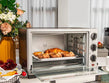
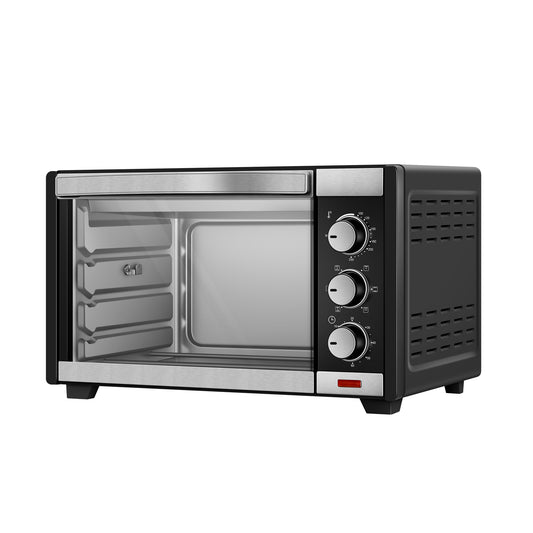
The 28 L Oven Toast Grill, offers an adjustable rack and multiple heating modes. Select cookware that fits comfortably inside the cavity while allowing sufficient clearance above and around the dish.
Cook Confidently with the Right Bakeware
Choosing the correct cookware makes OTG cooking safer and more predictable. Stainless steel and aluminium suit everyday baking, while cast iron works well for roasting. Oven-safe glass and ceramic are ideal for casseroles, and silicone moulds simplify smaller bakes.
Before placing any vessel inside, check its oven-safe marking, temperature limit, handles and overall condition. The right utensil protects your OTG and gives every recipe a better chance of cooking evenly.
FAQs
-
Can stainless-steel bowls be used in an OTG?
Yes, stainless-steel bowls can be used when they are oven-safe and do not contain plastic, rubber or wooden parts. Allow space around the bowl for proper heat circulation.
-
Can microwave-safe glass be used in an OTG?
Not necessarily. Use the dish only when it is specifically marked oven-safe, because microwave-safe glass may not tolerate the direct heat produced by OTG elements.
-
Can aluminium foil be used in an OTG?
Yes, aluminium foil can line a tray or loosely cover food. It should never touch the heating rods or completely block airflow inside the appliance.
-
Can a pressure cooker vessel be placed in an OTG?
An all-metal, oven-safe cooker vessel may tolerate the heat, but the lid, gasket, whistle and plastic handles must not be used. A proper baking tin or casserole dish is usually safer and easier to handle.
-
Can silicone moulds be used in every OTG?
Silicone moulds can be used when their stated temperature limit is higher than the selected OTG temperature. Place them on a rigid tray to prevent bending or spilling.