Skip to content


Egg rolls are one of those snacks that instantly hit the spot. It’s crispy on the outside, with soft eggy layers inside, and endlessly customisable. You don’t need complicated techniques to get it right. Once you know how to make an egg roll at home, you can recreate that familiar street-style taste with better hygiene, less oil, and total control over ingredients. In fact, home-cooked versions often turn out lighter and more consistent when prepared using modern kitchen appliances.
What Makes a Good Egg Roll?
Most egg roll failures happen due to uneven heat or rushed cooking, both easy to fix with the right appliances. Before learning into the egg roll recipe, it helps to understand what actually makes one taste “right”.
A perfect egg roll has:
-
A thin, soft wrap with light crisping
-
Evenly cooked egg without browning
-
Balanced seasoning (not overpowering)
-
Controlled heat so the roll doesn’t turn rubbery
Ingredients Needed for a Basic Egg Roll Recipe
You don’t need a long shopping list to get this right. Egg rolls just require a few everyday ingredients in the right proportions. This egg roll recipe keeps things simple and adaptable, making it easy to customise based on what you have at home.
For the Egg Filling
-
Eggs
-
Finely chopped onions
-
Green chillies (optional)
-
Salt and black pepper
-
A pinch of red chilli powder (optional)
For the Roll Base
-
All-purpose flour or whole wheat flour
-
Water (to make a thin batter or soft dough)
-
Salt
-
Oil or butter for cooking
You can later add vegetables, cheese, or cooked chicken once you’ve mastered the base.
How to Make Egg Roll at Home: Step-by-Step
Once the ingredients are ready, the process is quick and straightforward. Follow these steps to master how to make egg rolls at home with consistent, street-style results every time.
Step 1: Prepare the Egg Mixture
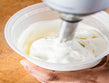
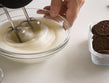
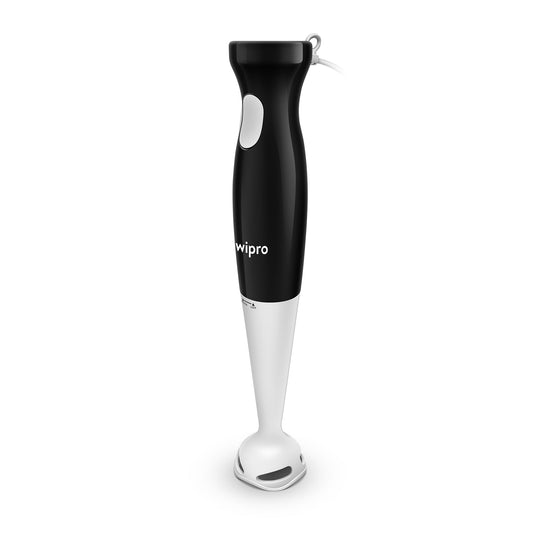
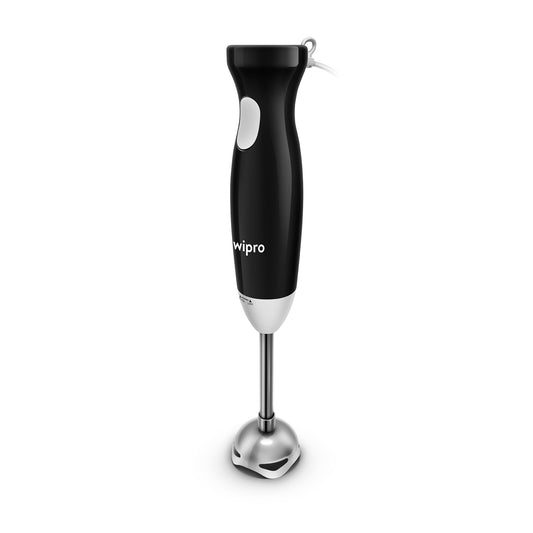
Crack the eggs into a bowl, add salt, pepper, chopped onions, and whisk well using a hand blender until the mixture looks smooth and slightly frothy. This step matters more than people think. If the eggs aren’t properly mixed, they cook unevenly and leave patchy or rubbery spots on the roll. Don’t under-whisk or rush this step. A poorly mixed egg mixture is one of the biggest reasons egg rolls don’t turn out right.
Step 2: Prepare the Roll Base
Make a soft, pliable dough using flour, water, and a pinch of salt, or prepare a thin batter if that’s your preferred style. Once done, let it rest for about 10-15 minutes. This resting time relaxes the gluten and makes rolling easier. Skipping the resting time. Dough that hasn’t rested will keep shrinking back and may tear while cooking or rolling.
Step 3: Cook the Egg Roll
Heat a flat pan or tawa on medium heat and lightly grease it. Pour the egg mixture and spread it evenly. While the egg is still slightly wet on top, place the rolled-out base over it and let it cook until the egg sets. Flip gently and cook until the bottom turns lightly crisp. Don’t cook on high heat, as it causes the egg to brown too quickly, become rubbery, or stick, making flipping difficult.
Step 4: Assemble and Roll
Once cooked, add sliced onions, sauces, or any filling of your choice while the roll is still hot. Roll it tightly from one end and serve immediately. Warm rolls stay flexible and hold their shape better. Letting the roll cool before assembling. A cold roll cracks easily and won’t wrap neatly.
Best Appliances to Make the Egg Roll Recipe Easily at Home
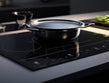
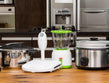
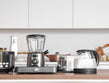
Modern kitchens simplify what used to be manual-heavy cooking. Wipro Appliances offers reliable induction cooktops and mixer grinders designed for everyday Indian cooking, especially helpful for recipes that require precise temperature control, such as egg rolls.
|
Appliance |
How It Helps While Making an Egg Roll at Home |
|
Induction Cooktop |
Offers precise and consistent temperature control, which is essential for cooking eggs evenly without browning too fast or turning rubbery, one of the most common egg roll mistakes. |
|
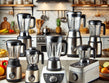
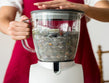
Mixer Grinder / Hand Blender |
Helps whisk eggs smoothly and uniformly in seconds, ensuring the egg layer spreads evenly on the pan and cooks without patchy texture or overcooked spots. |
|
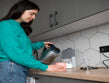
Electric Kettle |
Useful for quick prep tasks like boiling vegetables, eggs, or heating water for dough preparation, reducing dependence on multiple burners and saving time. |
|
Non-stick Tawa |
Requires minimal oil and allows easy flipping and rolling of the egg roll without sticking or tearing, resulting in a cleaner finish and better texture. |
Popular Egg Roll Recipe Variations You Can Try
Once you know how to make egg rolls, experimenting becomes easy:
-
Veg egg roll: For a veg egg roll, add finely chopped or lightly sautéed vegetables like onion, capsicum, carrot, or cabbage at the assembly stage, just after the egg and base are cooked. Keeping the vegetables thinly sliced ensures they heat through quickly without releasing excess moisture that could make the roll soggy.
-
Cheese egg roll: Cheese works best when added immediately after flipping the egg roll, while the surface is still hot. Sprinkle grated cheese evenly, allow it to melt slightly, and then roll. Adding cheese too early can cause it to burn, while adding it too late won’t give you that creamy, melty texture.
-
Chicken egg roll: For a chicken egg roll, use lightly seasoned, pre-cooked, shredded, or finely sliced chicken. Add it during the assembly step, once the egg roll is fully cooked. This prevents the chicken from drying out and ensures the egg layer remains soft and intact.
-
Whole wheat egg roll: To make a whole wheat egg roll, simply replace all-purpose flour with whole wheat flour while preparing the roll base. The rest of the process stays the same, but rolling the dough slightly thinner helps keep the texture soft rather than dense.
Using controlled-heating appliances allows you to switch fillings without altering cooking quality.
Why Making Egg Rolls at Home Is a Better Choice
Homemade egg rolls give you:
-
Better hygiene
-
Controlled oil usage
-
Fresh ingredients
-
Custom flavours
With the right appliances, street-style snacks become everyday comfort food, minus the guesswork.
A Smarter Way to Enjoy Egg Rolls at Home
Once you understand how to make egg rolls at home, it becomes one of the easiest snacks to prepare. The combination of simple ingredients, controlled heat, and dependable appliances ensures consistent results every time. With modern kitchen tools doing the heavy lifting, all that’s left is to enjoy a hot, freshly rolled egg roll, your way.
FAQs
-
Can I make egg rolls on an induction cooktop?
Yes. Induction cooktops offer precise heat control, which helps cook eggs evenly without burning; ideal for egg rolls.
-
Which appliance helps mix eggs better for egg rolls?
A mixer grinder or hand blender ensures smooth, evenly whisked eggs, especially useful when making multiple rolls.
-
Can egg rolls be made with less oil using modern appliances?
Absolutely. Non-stick pans paired with induction cooking require minimal oil while still achieving a light crisp.
-
Is an electric kettle useful when making egg rolls?
Yes. It helps quickly prep fillings like boiled vegetables or eggs without occupying the stove.
-
Why do egg rolls turn rubbery sometimes?
This usually happens due to high, uneven heat. Appliances with consistent temperature control prevent overcooking.