Skip to content


Soft rasgullas depend less on a complicated recipe and more on getting three things right: moist chenna, smooth kneading and steady cooking in sugar syrup. Watch the texture at each stage instead of relying only on the clock.
Festivals have a way of making homemade sweets feel extra special, and rasgulla fits naturally into that festive spread with its soft texture and light sweetness. While Diwali ladoo recipes are a familiar choice during celebrations, soft, syrupy rasgullas offer a different kind of sweetness and add variety to your dessert spread.
A good homemade rasgulla recipe is really about understanding a few texture cues. Get the chenna, shaping and syrup right, and making this sweet becomes much easier.
Sometimes the chenna turns dry. Sometimes the rasgullas crack while shaping. And sometimes they look perfectly round but turn dense instead of soft and spongy.
The good news? You can avoid most of these problems if you know what to look for at each stage.
What Do You Need to Make Rasgulla at Home?
For the chenna:
-
1 litre full-fat milk
-
2–3 tablespoons lemon juice or vinegar
-
Water for diluting and rinsing
For the sugar syrup:
-
1 cup sugar
-
4 cups water
-
2–3 cardamom pods, optional
-
A few drops of rose water, optional
The ingredient list is short, which is one reason a rasgulla recipe at home depends so much on getting the texture and cooking technique right.
How Do You Prepare Chenna for Soft Rasgullas?
The first step in learning how to make rasgulla at home is getting the chenna texture right because this directly affects how soft your rasgullas turn out.
Bring the milk to a boil and lower the heat. Dilute the lemon juice or vinegar with a little water and add it gradually, stirring gently.
Once the milk separates into curds and a pale greenish whey, stop adding the curdling agent.
Strain the curds through a muslin cloth and rinse them under fresh water. This helps remove any lingering acidic taste.
Now comes an important checkpoint: do not squeeze the chenna completely dry.
Hang or rest it for around 20–30 minutes so the excess water drains naturally. When you touch it, the chenna should feel moist but should not release water when lightly pressed.
Note: The moisture level at this stage can affect how well the rasgullas hold their shape and how soft they turn out.
-
Too wet? The rasgullas may lose their shape.
-
Too dry? They may become firm or crack while you shape them.
Once the moisture feels right, you can move on to creating a smooth dough.
How Do You Knead Chenna to the Right Texture?
Place the drained chenna on a clean plate or work surface and begin kneading it with the heel of your palm.
At first, it may look crumbly. As you continue, it should gradually become smoother and start holding together.
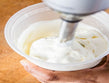
For a larger festive batch, a mixer grinder can help process the chenna briefly and evenly. Use short pulses rather than continuously grinding it. The aim is to smooth the texture, not turn the chenna into a paste.
Check the texture before shaping:
-
Take a small portion and roll it between your palms.
-
If it forms a smooth ball without visible cracks, the chenna is ready.
-
If cracks appear, knead a little longer.
-
If it feels sticky or overly soft, it may still contain excess moisture.
Once the chenna is smooth, shaping becomes much easier.
How Should You Shape Rasgullas So They Do Not Crack?
Once the chenna is smooth, shape it gently so the rasgullas stay light and even while cooking.
-
Divide the chenna evenly: Portion it into equal-sized pieces so the rasgullas cook at roughly the same rate.
-
Roll each portion gently: Use your palms to form smooth, round balls without pressing too firmly.
-
Keep them slightly small: The rasgullas will expand during cooking, so leave room for them to grow.
-
Check the surface: Look for visible cracks and smooth them out before the balls go into the syrup.
-
Avoid compacting the chenna: The ball should hold its shape without feeling tightly packed.
With the rasgullas shaped, the next step is preparing the syrup they will cook in.
How Should You Prepare the Sugar Syrup for Rasgulla?
The sugar syrup needs to stay hot and light so the rasgullas can expand properly while cooking.
Step 1: Bring the syrup to a boil.
Add the sugar and water to a wide, deep pan and let the mixture reach a steady rolling boil.
Step 2: Add the rasgullas gently.
Once the syrup is bubbling well, lower the shaped chenna balls into it one at a time. Make sure the pan has enough space for them to move and expand.
Step 3: Cover and cook on steady heat.
Keep the pan covered and maintain a consistent boil. Avoid repeatedly opening the lid, as frequent temperature changes can affect the cooking.
Step 4: Move the pan instead of stirring.
Do not stir the rasgullas directly with a spoon. If they need to move, gently shake the pan so their shape stays intact.
Step 5: Watch the syrup as they expand.
The syrup should remain light and fluid throughout cooking. If it starts becoming too concentrated, add a little hot water gradually to loosen it.
Once the rasgullas have expanded and feel light and springy, let them continue resting in the syrup so they can absorb the sweetness evenly.
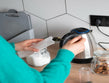
Note: If you need a little hot water to loosen syrup that has become too concentrated, you can heat it separately in an electric kettle by Wipro Appliances and add it gradually. This gives you better control than pouring in cold water and suddenly changing the syrup temperature.
How Do You Know When the Rasgullas Are Cooked?
Rather than depending only on cooking time, look for visible and textural changes.
The rasgullas should:
-
Increase noticeably in size
-
Look light and puffed
-
Feel springy rather than firm
-
Return towards their shape after being pressed gently
You can also place one rasgulla in a bowl of water. A properly cooked rasgulla should generally sink rather than remain floating at the surface.
Once cooked, allow the rasgullas to cool in the syrup. This resting time lets them absorb sweetness while retaining their texture.
How Can You Get Better Rasgulla Results Every Time?
A few simple adjustments can help you get more consistent texture, shape and sweetness from batch to batch.
|
If you notice |
What it usually means |
Try this |
|
Rasgullas feel firm |
Chenna may be slightly dry |
Retain a little more moisture |
|
Small cracks appear |
Chenna needs more kneading |
Knead until the surface turns smooth |
|
Rasgullas lose shape |
Chenna may contain excess moisture |
Let it drain a little longer |
|
Texture feels dense |
The syrup may need a steadier boil |
Maintain consistent heat |
|
Rasgullas expand less |
They may have been rolled too tightly |
Shape them gently |
|
Syrup tastes too sweet |
The sugar concentration may be high |
Increase the water slightly |
If you are making several sweets for the occasion, these cues help you balance recipes that need close attention with simpler make-ahead options.
How Can You Plan Rasgulla Preparation for a Festival?
Rasgulla works well for festive menus because it does not need to be prepared at the last minute.
You can make the chenna, shape and cook the rasgullas, and then allow them enough time to cool and rest in the syrup before serving. This leaves room to prepare other dishes without trying to finish everything at once.
And while your rasgullas are resting in the syrup, you can move on to your planned homemade desserts using a multicooker or other dishes that need less hands-on attention.
Remember: When you are preparing rasgullas along with other festive dishes, the right kitchen appliances can help with small supporting tasks, such as heating water, processing ingredients or managing parallel prep, while the rasgullas continue to rest in their syrup.
What Makes Homemade Rasgullas Soft and Spongy?
A good homemade rasgulla does not need a long ingredient list. The final texture usually depends on a few small decisions: how much moisture remains in the chenna, how smoothly you knead it, how gently you shape the balls, and whether the syrup maintains a steady boil.
Once you learn to recognise those cues, making soft, spongy rasgullas for festive occasions becomes much more predictable.
If you are planning more festive sweets, then you can also explore our homemade Besan Ladoo recipe for another traditional option to add to your festive menu.
FAQs
-
Can rasgulla be prepared a day before a festival?
Yes. Rasgullas can be prepared in advance and refrigerated in their sugar syrup once cooled.
-
Why should chenna be rinsed after curdling the milk?
Rinsing helps remove the lingering acidic flavour from the lemon juice or vinegar used to curdle the milk.
-
Can you make rasgulla without a pressure cooker?
Yes. A wide, deep pan with a lid works well as long as you can maintain a steady boil.
-
Should rasgulla be served hot or cold?
It can be served chilled or closer to room temperature, depending on your preference.
-
Why do rasgullas shrink after cooking?
Rasgullas may shrink if they are not cooked enough or if the temperature changes too quickly. Letting them cool gradually in the syrup can help them retain their texture.