Skip to content


A creamy mac and cheese recipe works best when the pasta stays slightly firm, the cheese sauce is smooth rather than thick and gluey, and the cheese is added over gentle heat. Cook the pasta first, build the sauce separately, then combine only when both are ready. For a baked finish, add a light topping and give it just enough oven time to brown.
Mac and cheese becomes heavy very quickly when every stage adds more richness. Overcooked pasta, too much flour in the sauce or excessive cheese can all make the dish dense instead of creamy.
So, if you are learning how to make mac and cheese at home, the useful question is not “How much cheese can I add?” It is “How do I keep the sauce loose enough to coat the pasta?”
Start with the Right Mac and Cheese Ingredients
For about three servings, use:
Pasta and Sauce
• 200 g elbow macaroni
• 1½ tablespoons butter
• 1½ tablespoons maida
• 2 cups warm milk
• 1 to 1½ cups grated cheese
• ¼ teaspoon black pepper
• A small pinch of nutmeg, optional
• Salt as required
Optional Finish
• 2 tablespoons breadcrumbs
• 1 tablespoon grated cheese
• A little butter
The ingredient list is short, which means texture control matters more than adding extra flavourings.
The First Checkpoint: Stop the Pasta Before It Turns Soft
Cook the macaroni in salted water until just tender.
Do not wait until it becomes very soft. The pasta will continue absorbing moisture once it is mixed with the sauce.
Drain it, but keep a small amount of pasta water aside.
If the pasta sits while you prepare the sauce, toss it with a very small amount of butter so it does not clump together.
This is the same basic logic that helps in a white sauce pasta recipe the pasta and sauce should meet while both still have enough moisture to combine smoothly.
The Second Checkpoint: Build a Roux Without Browning It
Melt butter over low to medium-low heat.
Add the maida and whisk until the flour is fully coated.
Cook only until the raw flour smell begins to disappear. Do not let the mixture brown deeply, because the sauce should remain pale and mild.
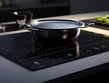
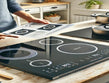
An induction cooktop by Wipro Appliances can be useful at this stage when you need to move between medium and gentler heat while the butter, flour and milk come together. Wipro Appliances currently lists 2000W induction cooktops with adjustable power settings and timer functions, which can help with controlled cooking.
Among everyday cooking appliances, the useful part here is heat control. The appliance manages the heat, while you still decide when the roux is ready for milk.
The Third Checkpoint: Add Milk Gradually
Warm milk works better than very cold milk here because it combines more easily with the roux.
Add it in stages:
-
Pour in a small amount.
-
Whisk until smooth.
-
Add more milk.
-
Repeat until all the milk is incorporated.
The sauce should eventually coat the back of a spoon while still flowing easily.
If it becomes very thick before the cheese goes in, loosen it with a little warm milk.
What the Sauce Should Look Like
|
Check |
What You Want |
|
Texture |
Smooth and pourable |
|
Colour |
Pale, without brown specks |
|
Thickness |
Coats the spoon lightly |
|
Flavour |
Mild before cheese is added |
Add Cheese After Lowering the Heat
Once the white sauce is smooth, lower the heat before adding the grated cheese.
Add it gradually and stir until melted.
High heat at this stage can make the sauce feel grainy or oily.
Season with black pepper and optional nutmeg, then taste before adding more salt because the cheese may already contribute enough.
A red sauce pasta recipe builds flavour very differently through tomatoes and aromatics. Mac and cheese depends more on dairy texture, so gentle heat matters much more during the finishing stage.
Choose Your Finish: Creamy or Baked
Instead of treating every mac and cheese the same, decide how you want to serve it.
|
If You Want |
What to Do |
Final Texture |
|
Creamy Stovetop Mac and Cheese |
Fold the macaroni directly into the cheese sauce and serve soon after |
Loose, creamy and spoonable |
|
Baked Mac and Cheese |
Transfer to an oven-safe dish, add breadcrumbs and a little cheese, then bake briefly |
Creamy inside with a lightly browned top |
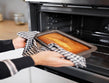
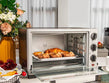
For a baked version, a Vesta 28L OTG by Wipro Appliances can handle baking and toasting with its 1600W heating element, adjustable racks and multiple heating functions.
The goal is not to bake until the sauce disappears. Stop once the top has browned lightly and the centre is still creamy.
Bring Pasta and Sauce Together Only at the End
Add the drained macaroni to the finished cheese sauce and fold gently.
If the sauce tightens too much, add:
• a splash of warm milk, or
• a little reserved pasta water
Do not keep simmering simply to make the dish look thicker. Mac and cheese continues thickening as it sits.
Use the Spoon Test Before Serving
A good finished bowl should:
• hold sauce around every piece of pasta
• look creamy without liquid pooling underneath
• separate easily when spooned
• remain soft rather than stretchy and gluey
If the pasta begins clumping, loosen it before serving rather than adding more cheese.
Creaminess Comes from Restraint
A good mac and cheese recipe does not need excessive flour, cream or cheese.
Keep the pasta slightly firm, make the white sauce loose enough to flow, lower the heat before adding cheese and choose the baked route only when you want a browned top.
That balance gives you richness without turning the dish heavy.
Frequently Asked Questions
-
Why does mac and cheese become grainy?
The cheese may have been added over heat that was too high.
-
Can mac and cheese be made without baking?
Yes. Stovetop mac and cheese can be served as soon as the pasta is coated in the finished sauce.
-
Why does the mac and cheese sauce become too thick?
Too much flour, prolonged cooking or too much cheese can thicken it excessively.
-
Can mac and cheese be reheated?
Yes. Reheat gently with a small splash of milk to loosen the sauce.
-
Which cheese works best for mac and cheese?
Use a cheese that melts smoothly. A combination of two cheeses can also be used for flavour and texture.