Skip to content


This malai kofta recipe gives you soft paneer-potato koftas, a creamy cashew-tomato gravy, and all the small restaurant-style tricks that make the dish taste rich using smart kitchen appliances by Wipro without becoming too heavy.
There are some dishes I never make in a hurry, and malai kofta is one of them. Not because it is difficult, but because it deserves a little patience. The first time I tried a restaurant-style malai kofta recipe at home, I realised the magic is not just in the cream. It is in the soft koftas, the smooth gravy, the right sweetness, and the timing of when everything comes together.
This is the kind of recipe I like making when the table needs to feel special. Warm rotis, jeera rice, soft lighting, and a rich curry in the centre can turn a regular dinner into something that feels planned. A few reliable kitchen appliances can make this process smoother too, especially when you are blending the gravy, frying the koftas evenly, or reheating the dish before serving.
Ingredients You Need for Malai Kofta
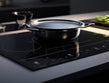
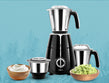
Here is everything you need before you start. Keeping ingredients ready makes this recipe feel much easier. I also like keeping the basic prep tools ready at this stage. A mixer grinder helps get that smooth cashew-tomato gravy, while an induction cooktop can help maintain steady heat when simmering the sauce or frying smaller batches of koftas.
For the Koftas:
-
2 boiled potatoes
-
1 cup grated paneer
-
2 tbsp cornflour
-
1 green chilli, finely chopped
-
1 tbsp chopped coriander
-
Salt to taste
-
8–10 raisins or chopped cashews
-
Oil for frying
For the Gravy:
-
2 onions, chopped
-
2 tomatoes, chopped
-
10–12 cashews
-
1 tsp ginger-garlic paste
-
1 tsp red chilli powder
-
1 tsp coriander powder
-
½ tsp garam masala
-
2 tbsp fresh cream
-
1 tbsp butter or oil
-
Salt and sugar to balance
How to Make Malai Kofta at Home

This is the part where the recipe becomes easier if you do it step by step.
-
Make the kofta mixture: Mash boiled potatoes well. Add grated paneer, cornflour, green chilli, coriander, and salt. Mix gently until it holds shape.
-
Shape the koftas: Grease your palms slightly and make small balls. Add a raisin or chopped cashew in the centre if you like a mild restaurant-style sweetness.
-
Fry carefully: Heat oil on medium flame. Fry one test kofta first. If it breaks, add a little more cornflour to the mixture. Fry the rest until golden. Using an induction cooktop here can make heat control easier because the onions and tomatoes need to soften slowly, not brown too quickly. That gentle cooking gives the gravy a sweeter, more balanced flavour.
-
Prepare the gravy base: In a pan, heat butter or oil. Add onions, tomatoes, cashews, and ginger-garlic paste. Cook until soft.
-
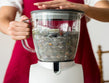
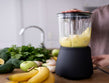
Blend smooth: Cool the mixture slightly and blend it into a fine paste. This is what gives the gravy that silky restaurant finish. This is where a mixer grinder becomes really useful. Blend the cooked onion-tomato-cashew mix until it turns completely smooth, because a grainy gravy can make even well-made koftas feel less restaurant-style.
-
Cook the gravy: Add the paste back to the pan with red chilli powder, coriander powder, garam masala, salt, and a pinch of sugar. Simmer until it thickens.
-
Finish with cream: Add fresh cream and a little water to adjust consistency. Mix gently and switch off the flame.
-
Add koftas only before serving: Place the koftas in the serving bowl and pour hot gravy over them. This keeps them soft, not soggy.
-
Serve hot: Malai kofta tastes best with naan, tandoori roti, lachha paratha, jeera rice, or mild pulao. Since the gravy is rich, I usually keep the sides simple. A cucumber salad or lightly pickled onions work beautifully.
My Tested Tips for Better Restaurant-Style Results
Small details make a big difference in this malai kofta recipe.
-
Use cold boiled potatoes: Warm potatoes hold more moisture and can make the koftas break while frying.
-
Grate the paneer finely: This gives the koftas a smoother bite.
-
Do not skip cashews in the gravy: They add body and reduce the need for too much cream.
-
Blend the gravy twice if needed: For a truly smooth texture, strain it after blending.
-
Keep the gravy mildly sweet: Restaurant-style malai kofta usually has a gentle sweetness, not a spicy punch.
-
Add koftas at the end: This is the most important trick if you want them to stay intact.
-
Use the right appliance for the gravy: A mixer grinder helps create a smoother gravy base, especially when blending cashews with tomatoes and onions. For an even finer texture, blend once, stir, and blend again.
Common Mistakes to Avoid
When learning how to make malai kofta, these are the mistakes I would avoid from the start.
-
Adding too much cream: Use cashews for richness and cream only at the end.
-
Frying on high flame: Keep the flame medium so the koftas cook evenly.
-
Making watery gravy: Simmer the gravy until it coats the spoon.
-
Adding koftas too early: Pour gravy over koftas just before serving.
-
Skipping the test kofta: Always fry one first to check binding.
How to Prepare Malai Kofta Without Stress
The easiest way to handle this dish is to divide the work. Make the koftas earlier in the day and refrigerate them. Prepare the gravy base in advance and finish it with cream before serving. This way, you are not frying, blending, simmering, and plating all at once.
This method also works well if you are using multiple kitchen appliances during m eal prep. Keep your mixer-grinder ready for the gravy, use proper task lighting for chopping and frying, and keep the serving area bright enough to plate neatly. For more tips on managing the kitchen efficiently, explore these tips and tricks for amateur home cooks.
A Rich Curry Worth Making Slowly
A good malai kofta recipe is not about rushing to the finish. It is about building softness, smoothness, and balance. Once you understand how to prepare malai kofta with the right binding, a silky gravy, and proper timing, it becomes much easier to recreate that restaurant-style comfort at home.
Serve it hot, keep the koftas tender, and let the gravy do the talking. This is one of those dishes that always feels a little festive, even on an ordinary weekend.