Skip to content


Broccoli soup can work as a light supper, a filling dinner or a creamier comfort meal when the same base is adjusted thoughtfully. Use potato for body, control the amount of stock before blending and add milk, cheese or cream only when the bowl needs extra richness. The final texture should match the kind of evening you are cooking for.
Some evenings call for a warm bowl that feels fresh and light. On others, soup needs enough body to replace dinner. The ingredients may be similar, but the texture, finish and accompaniments should change according to how hungry the evening feels.
This broccoli soup recipe begins with one flexible base. From there, it can become a light soup, a more substantial dinner bowl or a creamier comfort meal without preparing three separate recipes.
That flexibility also makes broccoli soup useful when you are looking for healthy soup recipes without automatically turning every bowl into a heavy, cream-based meal.
What Kind of Evening Is It?
Before cooking, decide what the bowl needs to do.
-
For a Light Evening: Keep the soup pourable, use stock instead of dairy and finish with pepper, lemon or toasted seeds.
-
For a Proper Dinner: Give the soup more body with potato, retain a few broccoli pieces and serve it with toast or a sandwich.
-
For Extra Comfort: Add warm milk, a little cheese or a small swirl of cream after blending.
Making this choice first prevents the soup from becoming richer than necessary simply because every possible finishing ingredient was added.
Make One Flexible Broccoli Soup Base
For approximately three servings, use:
-
1 medium broccoli head
-
1 small onion, chopped
-
2 garlic cloves, chopped
-
1 small potato, diced
-
1 tablespoon butter or oil
-
2½ cups vegetable stock or water
-
Salt and black pepper
-
¼ cup milk, optional
-
Lemon juice, cheese, seeds or croutons for finishing
Separate the broccoli florets from the stem. Peel away any tough outer layer from the stem and chop the tender portion finely.
The stem deserves a place in the soup. It adds flavour and reduces waste, but it needs a longer cooking time than the florets.
Prepare the Base
-
Heat the butter or oil and soften the onion.
-
Add the garlic, chopped broccoli stem and potato.
-
Pour in the stock and simmer until the potato begins to soften.
-
Add most of the florets and cook only until tender.
-
Keep a few small florets aside when you want texture in the finished bowl.
Avoid deeply browning the onion or garlic. The soup should still taste primarily of broccoli rather than roasted aromatics.
This same base-first approach works across many homemade winter soups because it lets you build body and flavour before deciding whether the final bowl should stay light, chunky or creamy.
Choose the Bowl You Need Tonight
Route 1: Light and Fresh
Blend the cooked vegetables with enough stock to create an easy-pouring consistency.
Finish with:
-
Freshly ground black pepper
-
A few drops of lemon juice
-
Toasted pumpkin or sunflower seeds
Leave out milk, cream and cheese. The potato will still provide enough body to stop the soup from tasting watery.
This route works well when the soup is a light supper or part of a larger meal.
Route 2: Thick Enough for Dinner
Use the full potato quantity and begin with slightly less stock before blending.
Steam or simmer the reserved broccoli florets separately, then stir them into the smooth base. A spoonful of corn can also be added for more texture.
The finished soup should sit briefly on the spoon instead of running off immediately. Pair it with garlic toast, a grilled vegetable sandwich or a simple paneer toast.
Keeping a few vegetables intact makes the bowl feel more like a meal and less like a drink.
Route 3: Creamier and More Comforting
After blending, return the soup to low heat and add warm milk gradually. Finish with either grated cheese or a little cream.
Use one rich addition rather than several. Milk, cream, cheese and butter together can make the soup heavy and cover the broccoli's flavour.
A small pinch of nutmeg or extra black pepper can give this version a warmer finish.
Let the Appliance Handle the Base, Not the Choice
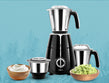
A soup maker , such as the Wipro Elato Soup Maker, can simplify the base because it supports smooth and chunky soup settings while combining sautéing, cooking and blending in one appliance.
That makes it relevant to all three routes:
-
Use the smooth setting for the light or creamy version.
-
Use the chunky setting when some vegetable texture is preferred.
-
Add milk, cheese or reserved florets later according to the bowl being prepared.
The same principle applies to comforting soup maker recipes in general: the appliance can simplify the cooking and blending stages, while the final texture and richness should still depend on the meal you want.
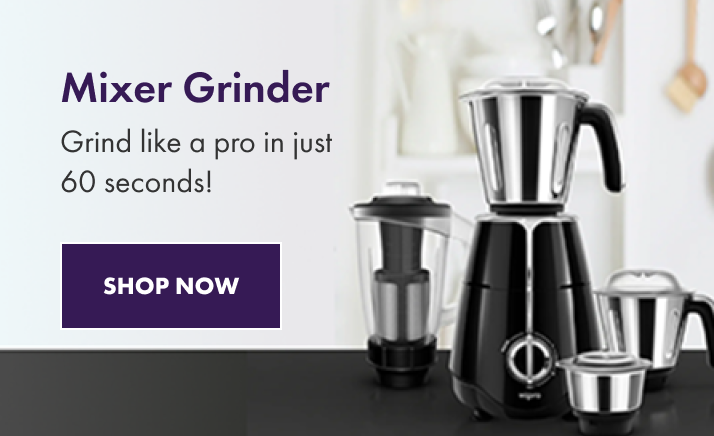
If the soup is being prepared conventionally on the stovetop, a hand blender can be useful for blending directly in a suitable deep vessel. This gives you more control over how smooth the soup becomes, particularly when you want to stop before every small piece of broccoli disappears.
This is where kitchen appliances are most useful: they should reduce repetitive work while leaving decisions about texture, thickness and finishing to the cook.
Use the Spoon Test Before Serving
-
Light Soup: It should pour easily without looking thin or separated.
-
Dinner Soup: It should coat the spoon and contain a little texture.
-
Creamy Soup: It should feel rounded but not leave a heavy coating.
-
Every Version: Broccoli should remain the first flavour noticed.
When the soup is too thick, add warm stock rather than cold water. When it feels flat, adjust salt and pepper before adding more cream or cheese.
Finish the Meal, Not Just the Soup
A light bowl needs only seeds, pepper or a small salad beside it.
A dinner-sized version benefits from toast, a sandwich or roasted vegetables. The creamier route pairs better with something simple so the entire meal does not become too rich.
This is what makes homemade broccoli soup useful on different evenings: the base stays dependable while the finish changes with the appetite.
The Right Soup Depends on the Evening
Learning how to make broccoli soup at home does not require committing to one fixed texture.
Prepare a flexible broccoli-and-potato base, then decide whether the evening needs something light, filling or comforting. That final decision creates a better bowl than automatically adding cream and blending every ingredient into the same smooth purée.
FAQ
-
Can broccoli soup be made without milk?
Yes. Use vegetable stock and potato to create body without dairy.
-
Why does broccoli soup taste bitter?
The broccoli may have been cooked for too long, or the stem may not have been trimmed properly.
-
Can frozen broccoli be used?
Yes. Add it later in the cooking process because it generally softens quickly.
-
How can the soup be made more filling?
Retain some vegetable pieces and serve it with toast, a sandwich or paneer.
-
Can broccoli soup be prepared in advance?
Yes. Reheat it gently and add crunchy toppings only before serving.