Skip to content


A practical office lunch should travel well, stay enjoyable for a few hours and not require elaborate morning preparation. Build the lunch around one dependable base, add vegetables or protein for balance, and keep wet sauces or crunchy toppings separate when needed. A little planning the night before can make weekday packing much easier.
Packing lunch for work often creates a different challenge from cooking at home. The food may sit for several hours, travel in a bag and be reheated later, which means a dish that tastes good straight from the pan may not always work equally well in a lunch box.
The most useful office lunch box ideas are therefore not necessarily elaborate. They are meals that can be prepared efficiently, packed neatly and still have a pleasant texture by lunchtime.
Start with a Simple Lunch Box Formula
Instead of planning a completely different meal every morning, divide the lunch box into three parts:
-
A Base: Rice, roti, millet, pasta or another grain
-
Something Substantial: Dal, paneer, chickpeas, eggs or another preferred protein
-
Something Fresh: Cooked vegetables, salad or fruit
This approach makes office lunch recipes easier to vary without creating a long ingredient list every day.
For example, yesterday's cooked rice can become vegetable fried rice, while leftover rotis can be turned into paneer or vegetable rolls. The aim is to reuse components thoughtfully rather than repeat the exact same meal.
Choose Recipes According to How They Travel
Some foods naturally hold their texture better than others.
For Meals That Need Reheating
Try options such as:
-
vegetable pulao with curd packed separately
-
dal with rice
-
paneer and vegetable wraps
-
one-pot khichdi
-
lightly sauced pasta with vegetables
Keep gravies reasonably thick so they are easier to transport.
For Lunches Eaten Without Reheating
Quinoa salad, stuffed wraps, sandwiches and lightly dressed pasta salads can work well. Keep wetter ingredients and dressings separate whenever possible so the meal does not become soggy before lunchtime.
These are particularly practical lunches to take to work when access to a microwave or pantry is limited.
Make One Ingredient Do More Than One Job
Weekday lunch preparation becomes easier when one cooked ingredient can move across several meals.
Cooked chickpeas, for example, can become a salad one day and a wrap filling the next. Paneer can be used with rice, added to vegetables or tucked into a sandwich.
The same planning principle works across healthy lunch box recipes: prepare versatile components rather than several complete dishes in advance.
A simple weekend prep session can include:
-
Washing and drying vegetables.
-
Cooking one grain or pulse.
-
Preparing one chutney or dip.
-
Portioning nuts, seeds or fruit.
-
Keeping one quick protein option ready.
That leaves less chopping and decision-making for weekday mornings.
Reduce Morning Prep Without Overcomplicating It
This is where kitchen appliances can take care of repetitive tasks while you focus on assembling the meal.
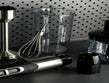
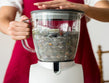
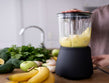
An electric chopper can help with onions, capsicum, carrots, herbs and other firm vegetables when several lunch components need chopping. Use short pulses so the vegetables remain distinct rather than becoming finely minced.
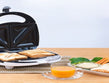
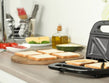
A sandwich maker can also be useful when the lunch needs to come together quickly. Paneer, corn or vegetable fillings can be prepared earlier and grilled between bread in the morning.
The appliance should make preparation shorter, not encourage an unnecessarily complicated recipe.
Keep Moisture Under Control
A large part of successful packed lunch preparation comes down to moisture.
For sandwiches and wraps:
-
cool cooked fillings before assembling
-
avoid excessive chutney or mayonnaise
-
keep watery tomato away from the bread when possible
For salads:
-
cool grains completely
-
add salt closer to eating
-
pack dressing separately
-
add nuts or seeds only before serving
For rice dishes, allow excess steam to escape briefly before closing the container. Packing very hot food immediately can create condensation.
These small adjustments are useful across easy lunch recipes for busy weekdays because they help the food stay closer to its intended texture without adding another cooking step.
Think Beyond Lunch When Planning the Morning
Office mornings often involve breakfast and lunch preparation at the same time. Trying to cook both from scratch can make even simple meals feel demanding.
That is where no-cook breakfast ideas for office goers can free up useful morning time. Overnight oats, fruit with curd, prepared smoothie ingredients or simple sandwiches can leave more time for packing a proper lunch without starting the day with several pans on the stove.
The easier the breakfast routine becomes, the less pressure there is to compromise on lunch.
Pack for Lunchtime, Not Just the Morning
A successful office lunch is one that still works when you actually open the box several hours later.
Choose recipes that travel well, control moisture, prepare versatile ingredients ahead and keep the morning assembly simple. Once those decisions become routine, carrying lunch to work requires far less planning while still leaving enough variety across the week.
FAQ
-
What are easy office lunch ideas for busy mornings?
Wraps, vegetable rice, sandwiches, quinoa salads and one-pot meals can work well because much of the preparation can be completed earlier.
-
How can I stop sandwiches from becoming soggy?
Cool the filling before assembling, limit wet sauces and keep moisture-rich vegetables away from the bread where possible.
-
What can I prepare the night before?
Cook grains or pulses, chop firm vegetables, prepare fillings and portion dry toppings. Assemble moisture-sensitive dishes closer to leaving.
-
How can I add variety without cooking something new every day?
Prepare versatile ingredients such as rice, paneer, chickpeas or vegetables and use them in different combinations through the week.