Skip to content


A good handvo recipe depends on getting the batter, fermentation and final cooking right. Soak the rice and lentils well, grind them into a slightly coarse batter, let it ferment until lightly aerated and add the tempering just before cooking. The finished handvo should have a crisp, sesame-speckled exterior with a soft but structured centre.
Handvo may look like one batter cooked in one pan, but its texture is decided much earlier. If the grains are under-soaked, the batter can remain coarse in the wrong way. If it becomes too thin, the centre may struggle to set. And if you rush the final cooking, the outside can brown before the inside is ready.
So, when learning how to make handvo at home, it helps to work through the recipe in stages rather than relying only on a fixed cooking time.
What Goes into the Handvo?
For one medium handvo, the main handvo ingredients are:
For the Batter
-
1 cup rice
-
½ cup chana dal
-
¼ cup toor dal
-
¼ cup urad dal
-
½ cup thick curd
-
1 cup grated bottle gourd
-
1 teaspoon ginger-green chilli paste
-
½ teaspoon turmeric
-
½ teaspoon red chilli powder
-
½ teaspoon sugar, optional
-
Salt as required
-
Water as required
-
½ teaspoon baking soda or fruit salt, added before cooking
For the Tempering
-
1 tablespoon oil
-
1 teaspoon mustard seeds
-
1 teaspoon sesame seeds
-
A few curry leaves
-
A pinch of asafoetida
Step 1: Soak Until the Grains Are Ready to Grind
Wash the rice and dals thoroughly, then soak them together for about 5–6 hours.
Before draining, press a grain of rice and a piece of dal between your fingers. They should feel swollen and break with moderate pressure.
Proper soaking matters because the batter needs enough body to hold the grated bottle gourd without becoming dense.
Step 2: Grind for Texture, Not Complete Smoothness
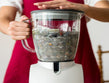
Drain the soaked mixture and grind it with curd and a little water.
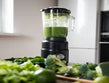
An Elato FMG204 mixer grinder by Wipro Appliances can help with this stage. Its 1000W motor and multiple jars are designed for tasks that include batter preparation and wet grinding.
For handvo, however, stop before the batter becomes completely silky.
The texture should be:
-
finer than soaked grains
-
slightly coarse when rubbed between the fingers
-
thick enough to fall slowly from a spoon
-
easy to mix without looking watery
Among everyday kitchen appliances, the mixer grinder should handle the repetitive grinding while you still decide when the batter has reached the right consistency.
Step 3: Ferment Before Adding the Vegetables
Transfer the batter to a large bowl, cover loosely and leave it to ferment.
The exact time can vary with room temperature, so look at the batter rather than relying only on the clock.
It should:
-
increase slightly in volume
-
develop small bubbles
-
smell mildly fermented
-
feel lighter when stirred
This fermentation-led approach is also what separates handvo from a Gujarati dhokla recipe, even though both use batter and depend on getting the final texture right.
Step 4: Add Bottle Gourd Without Thinning the Batter
Mix in the grated bottle gourd, ginger-green chilli paste, turmeric, chilli powder, sugar and salt.
Bottle gourd releases moisture, so do not add extra water before checking the consistency again.
The batter should still fall thickly from a spoon. If it starts flowing like dosa batter, it has become too thin.
Add baking soda or fruit salt only shortly before cooking and fold it through gently.
Step 5: Build the Crust with the Tempering
Heat oil and add mustard seeds.
Once they crackle, add sesame seeds, curry leaves and asafoetida.
The sesame is particularly important because it helps create the nutty, textured surface associated with handvo.
Pour the batter over the tempering or spread the tempering across the cooking vessel before adding the batter, depending on the method you are using.
This combination of fermented batter, vegetables and a crisp tempering is one reason handvo works well among Indian breakfast recipes as well as for an evening snack.
Step 6: Cook Until the Centre Matches the Crust
Handvo can be prepared on the stovetop, but baking gives you another way to cook a thicker batch evenly.
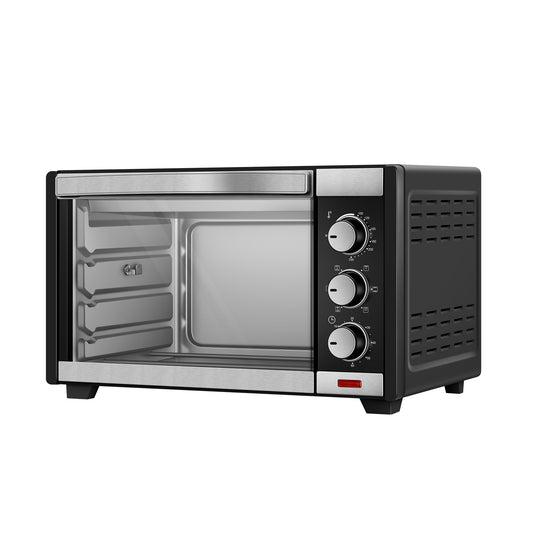
A Vesta 28L OTG by Wipro Appliances supports baking, grilling, roasting and toasting, with a 1600W heating element, adjustable racks and multiple heating functions.
For handvo, preheat the OTG, transfer the batter to a suitable greased baking vessel and cook until the top is browned and a knife or skewer inserted into the centre comes out without wet batter.
The usefulness of breakfast appliances here is not simply faster cooking. The appliance handles the heat while you still judge the result from the crust, centre and moisture level.
Step 7: Rest Before Cutting
Do not slice handvo immediately after removing it from the heat.
Give it about 5–10 minutes to settle.
Cutting too early can make the soft centre crumble even when it has cooked correctly.
Look for three things before serving:
|
Check |
What You Want |
|
Top |
Golden with visible sesame |
|
Centre |
Soft but fully set |
|
Bottom |
Firm, not burnt |
|
Slice |
Holds together when lifted |
Serve warm with green chutney or plain curd.
Good Handvo Depends on Three Textures
A successful homemade handvo should not be uniformly soft.
The outside needs enough heat to become crisp, the centre should remain moist but set, and the batter itself should retain slight graininess rather than becoming completely smooth.
Once soaking, grinding and fermentation are handled properly, the final cooking becomes much more predictable.
FAQs
-
Can handvo batter be prepared overnight?
Yes. Refrigerate it after fermentation if you are not cooking immediately, and add the bottle gourd and leavening agent closer to cooking.
-
Why does my handvo become dense?
The batter may not have fermented sufficiently, may be too thick, or the leavening agent may not have been distributed properly.
-
Can handvo be made without bottle gourd?
Yes, although the texture and moisture level will change. Other vegetables can be used in moderation.
-
Why is the centre of the handvo still wet?
The handvo may be too thick for the cooking time, or the outside may have browned too quickly at excessive heat.
-
Can leftover handvo be reheated?
Yes. Reheat briefly so the centre warms without drying out.