Skip to content


Creamy hummus does not depend on peeling every chickpea. Softer chickpeas, a loosened tahini base, cold water added gradually and enough blending have a bigger impact on texture. Make the hummus slightly softer than you want to serve it because it thickens as it rests.
Peeling chickpeas one by one is often presented as the secret to perfectly smooth hummus. It can improve the texture, but it also turns a quick recipe into a surprisingly slow kitchen task.
For an everyday batch, that effort is better spent elsewhere. Chickpeas that crush easily between your fingers, tahini blended before the chickpeas, and cold water added gradually can produce a smoother dip without removing every skin.
Is Peeling Every Chickpea Really Necessary?
Chickpea skins can contribute to graininess, particularly when the chickpeas are still firm. The easier solution is to cook them until they crush readily between two fingers.
They should be softer than chickpeas prepared for salads or chaat. If using canned chickpeas, simmer them briefly in fresh water first to soften both the chickpeas and their skins.
What Goes into This Simple Hummus Recipe?
For one medium bowl:
• 1½ cups cooked chickpeas
• 3 tablespoons tahini
• 2 tablespoons lemon juice
• 1 small garlic clove
• ½ teaspoon cumin powder
• 2–4 tablespoons ice-cold water
• 1 tablespoon olive oil
• Salt as required
Keep some olive oil, paprika, parsley or whole chickpeas aside for serving.
Start with one small garlic clove. Raw garlic becomes stronger as hummus rests, so adding more later is easier than correcting an overpowering batch.
Put the Effort Where It Changes the Texture
Step 1: Give the Tahini a Head Start
Blend tahini, lemon juice, garlic, cumin, salt and two tablespoons of cold water first.
Continue until the tahini looks paler and slightly fluffy. This loosens the dense paste and helps the ingredients circulate more freely once the chickpeas are added.
Step 2: Add the Chickpeas in Two Rounds
Add half the chickpeas and blend. Scrape down the sides before adding the rest.
This reduces the initial load and prevents dry chickpeas from sitting above the mixture while the blades continue moving underneath.
Step 3: Add Cold Water Before More Oil
When hummus feels thick, more olive oil is not necessarily the answer. Add cold water one tablespoon at a time while blending.
One of the most useful blending tips for hummus is to stop when it looks slightly softer than the texture you want. It will become firmer after resting or refrigeration.
Step 4: Check the Texture with a Spoon
Do not judge smoothness only by appearance. Taste a small spoonful.
If tiny chickpea particles are still noticeable, add a teaspoon of cold water and blend again.
Let the Appliance Reduce the Work, Not Add to It
Hummus is one of those recipes where kitchen appliances should make preparation quicker without creating unnecessary extra steps or washing up.
For a Small Everyday Batch
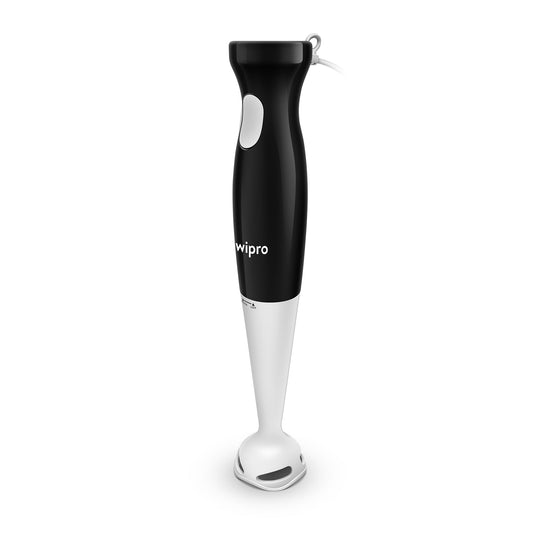
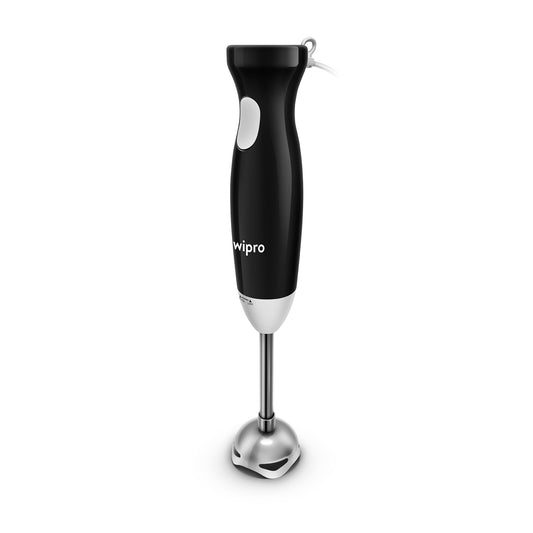
A hand blender by Wipro Appliances can be used directly in a deep, narrow container, which makes it easier to add cold water little by little and stop when the texture feels right. Wipro Appliances lists hummus among the dips suited to its hand blenders, while its stainless-steel-stem option offers two speed settings for greater texture control.
Choosing the right hand blender matters particularly for small quantities because the blade needs to remain sufficiently immersed in the mixture. And while chopping with a hand blender can be useful for other prep tasks when the appropriate setup or attachment supports it, hummus benefits most from slow, controlled movement through the chickpeas.
For a Larger Batch
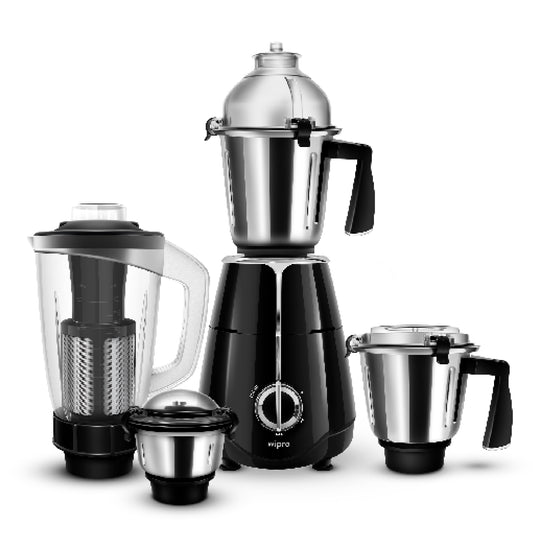
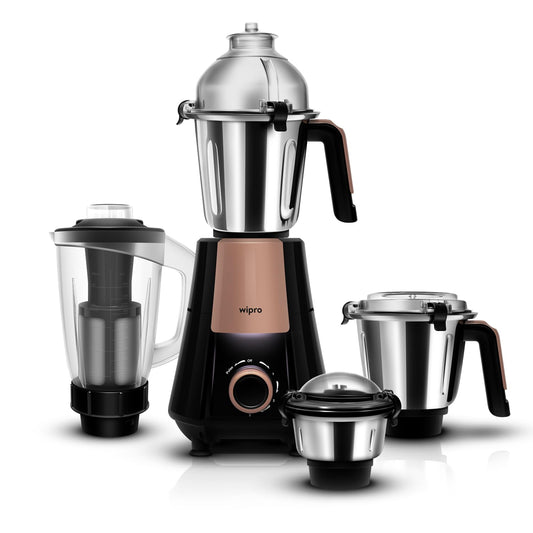
When the quantity goes beyond a small bowl, a mixer grinder by Wipro Appliances can make the process easier because the chickpeas have more room to circulate instead of compacting around the blades.
In either case, the appliance handles the blending, the cook still decides when the hummus is smooth enough.
Balance the Flavour After the Texture
Once the hummus feels creamy:
• Flat: Add salt or lemon.
• Garlic too strong: Blend in a few more chickpeas.
• Too bitter: Check the quantity of tahini or strongly flavoured olive oil.
• Needs richness: Add olive oil near the end rather than using it to loosen the dip.
What Can Go Wrong While Making Hummus?
|
Problem |
Likely cause |
Practical fix |
|
Grainy texture |
Chickpeas are too firm |
Cook longer and blend again |
|
Thick consistency |
Too little water |
Add cold water gradually |
|
Strong garlic flavour |
Too much garlic |
Blend in more chickpeas |
|
Dull flavour |
Not enough salt or acidity |
Add salt or lemon gradually |
|
Hummus firms up later |
Blended too thick |
Stir in a little cold water |
The Steps Worth Keeping
Smooth hummus does not require completing every possible preparation step. Soft chickpeas, properly loosened tahini, gradual water addition and sufficient blending make a more noticeable difference.
Skip peeling each chickpea when time is short, but give the steps that genuinely affect texture the attention they deserve.
FAQs
-
Can hummus be made without tahini?
Yes. The flavour will change, but tahini can be omitted or replaced with sesame paste.
-
Why does hummus thicken in the refrigerator?
Chickpea starch firms as it chills. Stir in a little cold water before serving.
-
Can canned chickpeas be used?
Yes. Rinse and simmer them briefly before blending.
-
Can olive oil replace water?
Not entirely. Oil adds richness, while water loosens the texture.
-
Can hummus be made with a hand blender?
Yes. Use a deep container, blend in stages and add cold water gradually until smooth.