Skip to content


I followed the same recipe for semiya payasam as my mother, but the taste wasn't quite the same. It wasn't one secret ingredient—it was a handful of small techniques using smart kitchen appliances that completely changed the final bowl.
For years, I believed my mother's recipe for semiya payasam was one of the easiest desserts ever. Milk, vermicelli, sugar, ghee and dry fruits- what could possibly go wrong? Turns out, quite a lot.
The first few times I made semiya payasam, it tasted good. Everyone enjoyed it. But when I compared it to my mother's version during a family lunch, I realised hers had a richer flavour, smoother texture and a comforting aroma that mine somehow lacked.
It wasn't because she used expensive ingredients. It was because she paid attention to details I had completely ignored. Here's everything I learned after comparing the two.
The Ingredients Were the Same-The Method Wasn't
If you look at the ingredients for semiya payasam, both our lists were almost identical:
-
Vermicelli (semiya)
-
Full-cream milk
-
Sugar
-
Ghee
-
Cashews
-
Raisins
-
Cardamom
-
A few saffron strands (optional)
The difference wasn't in what went into the pan. It was in how each ingredient was treated before it got there.
Lesson 1: Roasting Makes a Bigger Difference Than I Thought
Earlier, I barely roasted the vermicelli before adding milk. My mother always roasted it patiently in a little ghee until it turned light golden and smelled nutty. That simple step made a huge difference.
The payasam tasted richer, the semiya held its shape better, and the dessert never became sticky after cooling. Now I never rush this stage, even if it adds a few extra minutes.
Lesson 2: Good Milk Builds Better Flavour
I used to think milk was just a cooking liquid. My mother treated it as the base of the dessert.
She gently simmered it before adding roasted semiya instead of cooking everything together immediately. That slight reduction naturally made the payasam creamier without adding condensed milk.
Lesson 3: Timing Matters More Than Ingredients
One thing I always got wrong was adding sugar too early. My mother waited until the semiya was completely cooked before stirring in sugar.
When I tried the same approach, the vermicelli cooked more evenly, and the texture improved noticeably. Sometimes the smallest timing changes produce the biggest results.
My Small Kitchen Upgrades Helped Too
One thing that did make cooking easier was using better kitchen appliances.
-
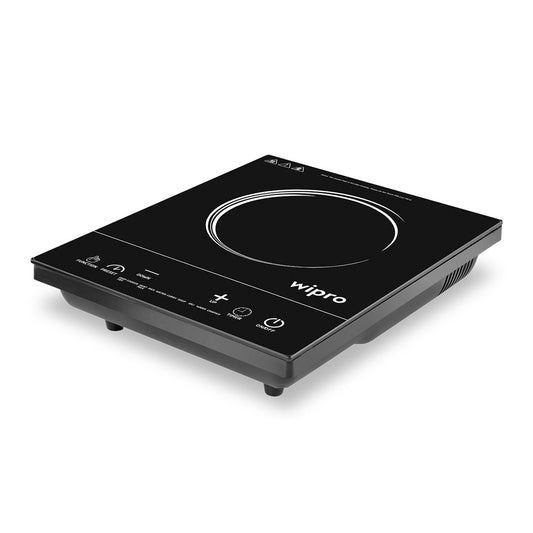
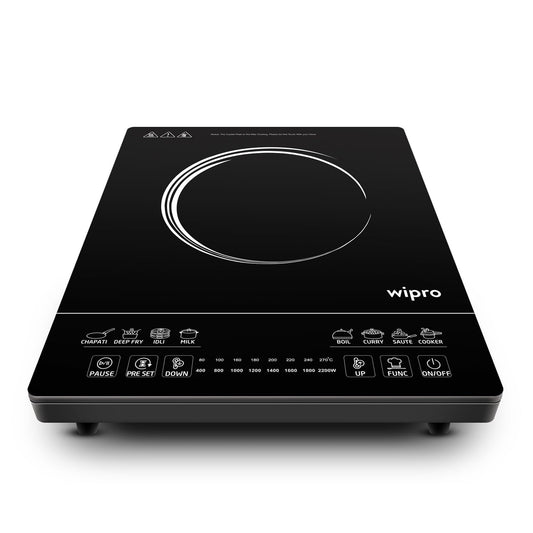
A heavy-bottomed saucepan prevents milk from catching at the bottom, while a reliable induction cooktop lets me maintain a gentle simmer without constantly adjusting the flame.
-
I've also started using the Smart Induction Cooktop, which gives consistent heat while preparing milk-based desserts. It doesn't replace experience, but it certainly makes it easier to avoid burning the milk.
-
Similarly, having a dependable range of kitchen appliances means I I can focus more on cooking than worrying about uneven heating.
The Dry Fruits Need Their Own Attention
Earlier, I simply added raw cashews and raisins into the milk. My mother always fried them separately in ghee.
Now I understand why. The roasted nuts stay crunchy, the raisins become soft and juicy, and the ghee carries a wonderful aroma throughout the dessert. It is a tiny step that makes every spoonful more satisfying.
What I Finally Changed in My Recipe
If I had to summarise everything I learned, these are the changes I now follow every single time:
-
Roast the vermicelli patiently in ghee.
-
Simmer the milk before adding semiya.
-
Add sugar only after the vermicelli is fully cooked.
-
Fry cashews and raisins separately.
-
Cook everything on low to medium heat instead of rushing.
-
Let the payasam rest for 10–15 minutes before serving.
None of these changes requires extra ingredients. They simply require a little more patience.
My Recipe Still Isn't Exactly Like Hers
And honestly, that's okay. My recipe for semiya payasam now tastes much better than it did a year ago, but it still isn't identical to my mother's.
I've realised recipes are only half the story. The rest comes from repetition, observation and learning through small mistakes.
That has also changed how I cook other dishes. Whether it's making chutneys in a mixer grinder, preparing quick breakfasts, or trying festive sweets, I now pay much more attention to technique than just measurements.
If You're Making Semiya Payasam for the First Time
Here are a few practical tips I wish someone had told me earlier:
-
Use full-fat milk: It gives the payasam a naturally rich and creamy texture without needing condensed milk.
-
Roast the semiya lightly: A light roast in ghee enhances the flavour and prevents the vermicelli from becoming mushy.
-
Stir the payasam regularly: This keeps the milk from sticking to the bottom of the pan and ensures even cooking.
-
Add sugar only after the semiya is cooked: This helps the vermicelli cook properly and results in a better texture.
-
Let the payasam rest before serving: Resting it for 10–15 minutes allows the flavours to blend together beautifully.
A Bowl That Carries More Than Just Taste
Today, when I prepare semiya payasam, I don't try to copy my mother's bowl exactly anymore. Instead, I focus on the little habits she quietly followed every time she cooked. Those habits have made my dessert noticeably better, and they've made me a more patient cook too.
If you're wondering how to make semiya payasam that feels homemade rather than simply homemade looking, don't search for a secret ingredient. Pay attention to the small details. They make all the difference. family favourites becomes a little easier, and a lot more enjoyable.