Skip to content


Few breakfasts feel as comforting and wholesome as a plate of freshly cooked theplas. Soft yet slightly crisp, mildly spiced, and packed with greens, methi thepla is a classic Gujarati staple that works just as well for busy mornings as it does for travel meals. This methi thepla recipe focuses on balanced flavours, correct dough handling, and modern appliance support, so you get authentic taste with everyday convenience.
Why is Methi Thepla a Gujarati Breakfast Essential
For Gujaratis, thepla isn’t just flatbread; it’s a complete meal. Fenugreek leaves add fibre and micronutrients, whole wheat flour provides sustained energy, and gentle spices aid digestion. They are also rich in iron, calcium, and antioxidants, and support digestive health. Traditionally eaten for breakfast or packed for long journeys, the thepla stands out for its long shelf life and versatility.
How to Make Methi Thepla
Making perfect methi theplas starts by getting the basics right. This step-by-step method focuses on dough texture, heat control, and cooking balance to help you achieve soft, flavourful theplas every time.
Ingredients
Before you begin the recipe methi thepla preparation, ensure your ingredients are fresh and measured accurately. You’ll need
-
Whole wheat flour
-
Fresh methi leaves (finely chopped)
-
Curd (for softness)
-
Oil
-
Ginger-green chilli paste
-
Turmeric, red chilli powder, cumin powder
-
Salt
-
Water (as required)
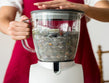
Using uniformly chopped methi makes a noticeable difference. A Wipro food processor helps achieve even texture quickly, preventing thick leaf strands that can tear the dough while rolling.
Step-by-step Recipe for making Methi Thepla
This method walks you through each stage of making methi thepla. From preparing the dough to cooking it evenly, you will get consistent texture, balanced flavour, and reliable results every time.
Preparing the Dough: The Foundation of Good Theplas
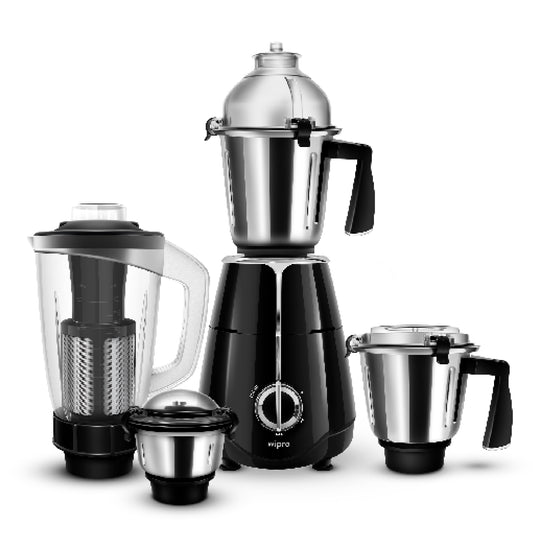
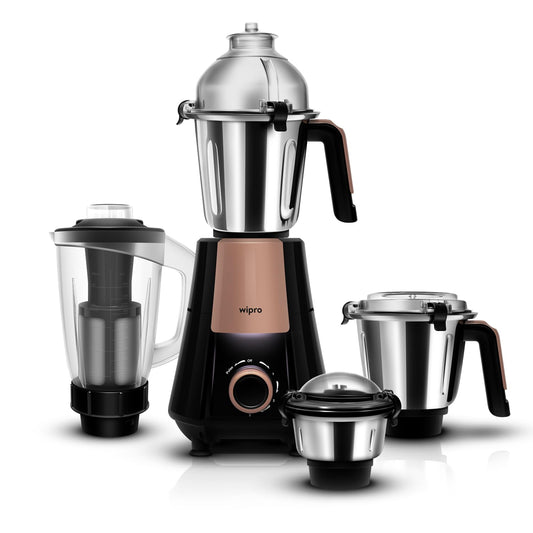
In a large mixing bowl, combine whole wheat flour, finely chopped methi leaves, spices, salt, oil, and curd. Add water gradually and knead into a soft, smooth dough. A supple dough is key to preventing dry theplas. Avoid adding too much water at once, as methi releases moisture while resting. Let the dough rest for 10-15 minutes; this relaxes the gluten, improves elasticity, and makes rolling easier. Using a Wipro mixer grinder for ginger-chilli paste ensures even spice distribution without coarse bits that can affect texture.
Rolling and Shaping the Theplas
After resting, divide the dough into equal portions to ensure uniform cooking. Roll each portion into a medium-thick disc, slightly thicker than a roti but thinner than a paratha. Use minimal dry flour while rolling to avoid drying out the surface. Even thickness is essential, especially when cooking on an induction cooktop, as consistent heat highlights uneven rolling more quickly than traditional flame cooking.
Cooking the Theplas with Controlled Heat
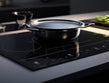
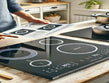
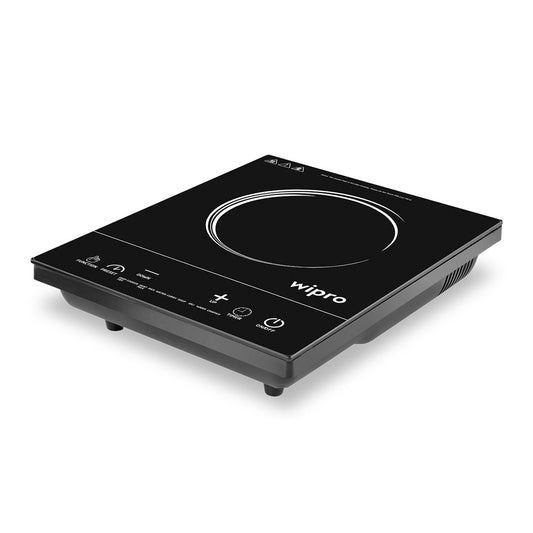
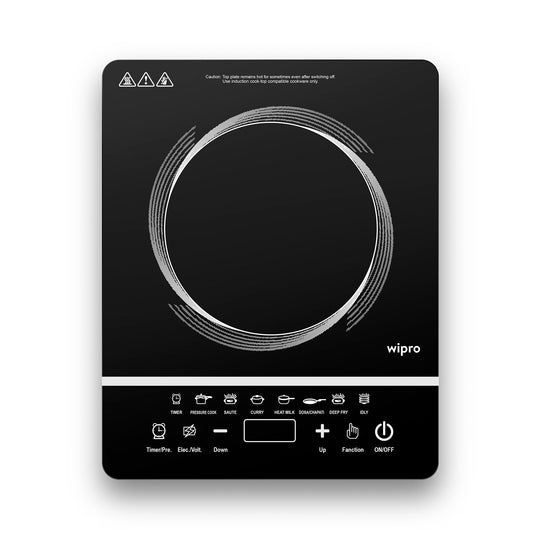
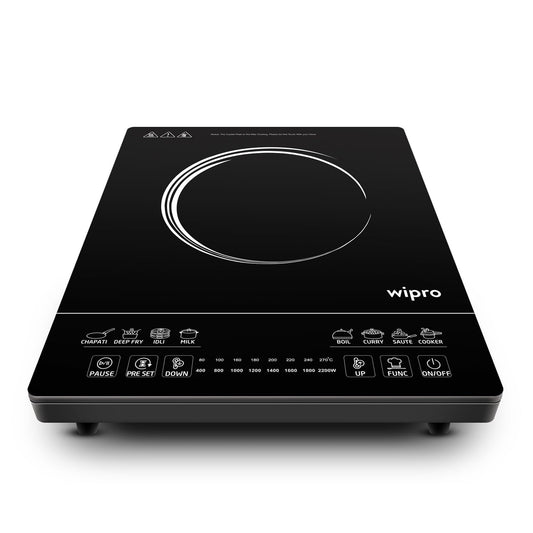
Preheat a flat tawa on a Wipro induction cooktop set to medium heat. Place the rolled thepla on the hot tawa and cook until small bubbles appear, then flip. Apply a few drops of oil and cook until golden spots form on both sides. Induction cooking provides steady, controlled heat, preventing scorching while ensuring even browning. This results in theplas that are soft inside with just the right amount of surface crispness.
Serving Ideas for a Complete Breakfast
Methi theplas are versatile and pair well with simple accompaniments like fresh curd, white butter, pickle, or even a dry vegetable sabzi. They work equally well as a sit-down breakfast or a grab-and-go meal. When reheated properly using appliances like a microwave or tawa, theplas retain their softness without turning chewy or dry.
Theplas are ideal for batch cooking. Allow them to cool completely before storing. Stack with parchment paper and refrigerate. Proper storage prevents moisture buildup and keeps them fresh longer.
Common Mistakes When Making Thepla
Even a simple recipe like thepla can go wrong if small details are overlooked. Being mindful of these common mistakes helps you achieve a softer texture, better flavour, and consistent results every time.
-
Stiff Dough - Kneading the dough too hard leads to dry, chewy theplas. The dough should remain soft and pliable, as it naturally tightens after resting.
-
Wet Methi - Adding methi without drying it properly introduces excess moisture, making the dough sticky and difficult to roll. Unevenly chopped leaves can also cause tearing.
-
High Heat - Cooking on very high heat browns the thepla too quickly while leaving it undercooked inside. Medium, controlled heat, especially on an induction cooktop ensures even cooking.
-
Excess Flour - Using too much dry flour while rolling dries out the surface and affects browning. A light dusting is enough to prevent sticking without compromising softness.
-
Hot Stacking - Stacking theplas straight off the pan traps steam and turns them soggy. Let them cool slightly before stacking to maintain the right texture.
A Breakfast That Balances Tradition and Convenience
The beauty of a well-made thepla recipe lies in its simplicity. With fresh ingredients, correct dough handling, and smart use of modern appliances, methi thepla becomes both traditional and practical. Whether you’re cooking for a weekday breakfast or prepping meals ahead, this Gujarati thepla recipe proves that authentic flavour doesn’t require complicated methods, just thoughtful technique and reliable tools.
FAQs
-
What kind of pan or griddle is best for cooking theplas?
A heavy-bottomed flat tawa works best, especially when used on an induction cooktop. Induction-compatible pans distribute heat evenly and prevent uneven browning.
-
How do I reheat theplas using an appliance without them becoming dry and hard?
Use a microwave oven with a damp paper towel covering the thepla. Reheat for 20-30 seconds to restore softness without over-drying.
-
Can I prepare methi leaves in advance using an appliance?
Yes. A food processor helps wash, dry, and chop methi uniformly. Store chopped leaves in an airtight container in the refrigerator for up to a day.
-
Does induction cooking change the taste of traditional theplas?
No. Induction cooktops provide precise heat control, which actually improves consistency and prevents burning, enhancing the final taste.
-
Can mixer grinders be used for thepla masala preparation?
Absolutely. Mixer grinders are ideal for making fresh ginger-chilli paste, which blends more evenly into the dough than chopped ingredients