Skip to content


Pongal isn’t just a harvest festival. It’s a moment of gratitude, new beginnings, and warm family traditions. And nothing embodies this festival more than a comforting bowl of Sweet Pongal (Sakkarai Pongal). Prepared on the first day of Sankranti with freshly harvested rice, this dish symbolises prosperity and abundance. Interestingly, India produces over 135 million tonnes of rice annually, making Sweet Pongal a cherished staple across households. If you’ve been searching for an easy, authentic, and flavour-packed sakkarai pongal recipe, this guide is for you.
What Makes Sakkarai Pongal So Special?
A traditional sakkarai pongal Brahmin recipe is known for its simplicity, purity, and rich flavour. With just a few ingredients like rice, moong dal, jaggery, cardamom, and ghee, you create a phenomenal dish that tastes festive in every bite.
The beauty lies in the method. Whether you prefer the old-fashioned pot-on-stove approach or a modern upgrade using modern appliances, making Sweet Pongal is a breeze. Let’s break down how to make Sweet Pongal the quick, flavourful way.
Ingredients
-
½ cup raw rice
-
¼ cup moong dal
-
1 cup grated jaggery
-
2 tbsp ghee
-
8–10 cashews
-
8–10 raisins
-
½ tsp cardamom powder
-
2–3 cups water (as needed)
Step-by-Step Sweet Pongal Recipe

If you’ve ever wondered how to make Sweet Pongal at home without any confusion, this quick step-by-step guide keeps the process smooth and beginner-friendly.
Roast, Wash & Prep
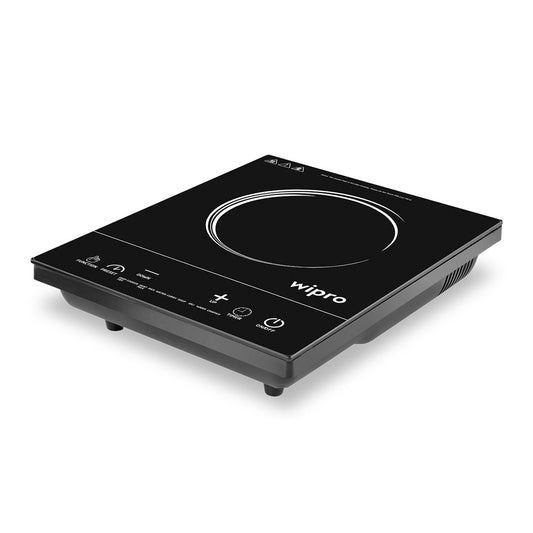
For the perfect aroma, lightly roast the rice and moong dal using an induction cooktop. Its steady temperature control ensures the dal doesn’t burn. Rinse the dal and rice together and keep aside, allowing the grains to absorb a bit of moisture so they cook faster and turn perfectly soft. This small step enhances the overall texture and flavour of your Sweet Pongal.
Cook Rice & Dal to Soft Perfection
Add the mixture to a pressure cooker with enough water. For beginners wondering how to make Sweet Pongal, this step is key: the grains must be mushy. Electric rice cookers can also be used by simply adding the ingredients and letting the appliance do the work.
Melt the Jaggery
Take a small pan, add jaggery with a few spoons of water, and let it melt. An induction cooktop gives consistent low heat, helping jaggery dissolve without burning. Once it liquefies, strain the syrup to remove impurities so your Sweet Pongal gets a smooth, clean sweetness. Let the syrup simmer gently, it deepens the flavour without thickening too quickly.
Combine and Flavour
Add the jaggery syrup to the cooked rice-dal mixture and stir. Mix in cardamom powder. If you like richer flavour, warm ghee separately using a hand-blender-safe saucepan and pour in slowly. Let everything simmer together for a minute so the jaggery blends evenly with the grains. This gentle cooking step helps the Pongal develop its trademark glossy, melt-in-the-mouth consistency.
Fry Nuts & Raisins
Heat ghee and fry cashews and raisins until golden. Air fryers available on the Wipro Appliances website can also be used to make healthier, crispier fried nuts by brushing a tablespoon of ghee on top. Frying them separately ensures they retain their crunch even after mixing into the warm Pongal. Their toasted aroma also adds a delightful festive richness to every bite.
Mix, Rest & Serve
Mix everything together and let it rest for 5 minutes. The texture thickens naturally, giving you a luscious, melt-in-the-mouth Sweet Pongal. This short resting time allows the flavours of jaggery, ghee, and cardamom to deepen and blend beautifully. Serve warm to enjoy its richest aroma and smooth, creamy consistency.
Tips for a Luscious Sweet Pongal
-
Use warm ghee for a richer aroma: Warm ghee blends more smoothly into the Pongal, coating every grain with its rich fragrance. When added hot, it amplifies the nutty flavour of roasted dal and rice. This small step instantly elevates the dish's overall taste and makes it feel more festive and indulgent.
-
Add a pinch of edible camphor for a temple-style flavour: Edible camphor is extremely potent, so even the tiniest pinch is enough to recreate that iconic temple-style aroma. It adds a divine, sacred touch that transforms the Pongal from delicious to truly ceremonial. Make sure to use only food-grade camphor to keep the flavour pure and authentic.
-
Replace some of the water with milk for extra creaminess: Swapping part of the cooking water for milk gives the Pongal a velvety, rich texture. The milk reduces slowly as it cooks, enhancing sweetness and depth. This variation is perfect if you prefer a thicker, kheer-like version of Sakkarai Pongal.
-
Use an induction cooktop for slow simmering: Induction cooktops offer precise temperature control, ensuring your Pongal simmers gently without sticking or burning. Slow simmering allows the rice, dal, and jaggery to meld into a smooth, cohesive mixture. This creates a more polished texture and helps the flavours develop fully.
Delicious Flavours for Auspicious Beginnings
Whether you're following this guide to make Sakkarai Pongal for the first time or perfecting your yearly Pongal routine, the dish promises joy and wholesomeness. And with the convenience of versatile tools like mixer grinders, air fryers, electric cookers, and induction cooktops from Wipro Appliances, preparing this festive favourite becomes smoother, quicker, and more enjoyable.
FAQs
-
What is the significance of Sweet Pongal?
Sweet Pongal represents abundance and gratitude. It is traditionally prepared at the start of the harvest season to honour the Sun God and welcome prosperity into the home.
-
What is the nutritional breakdown of Pongal?
A bowl of Sweet Pongal provides carbohydrates from rice, protein from moong dal, and minerals such as iron and potassium from jaggery. Ghee adds healthy fats, making it an energy-rich festive dish.
-
Can I make Sweet Pongal in an electric rice cooker?
Yes, electric rice cookers on the Wipro Appliances website help simplify the process. First, toast the dal and rice, then add them with water, and let the appliance cook everything evenly without supervision.
-
How do I melt jaggery without it burning?
Using an induction cooktop helps maintain low, controlled heat, ensuring the jaggery melts smoothly without sticking, burning, or crystallising.
-
Can I fry cashews and raisins in an air fryer with minimal ghee?
Absolutely. Air fryers from Wipro Appliances give a crisp finish to nuts with very little ghee, making your Pongal lighter without reducing flavour.