Skip to content


The secret to creamy white sauce pasta is not extra cream or cheese. It is cooking the butter-flour mixture properly, adding milk gradually, controlling the heat and stopping the sauce at the right consistency. Master these steps, and a basic white sauce pasta recipe becomes easy to customise with vegetables, herbs or cheese.
White sauce pasta is one of those comforting dishes that can feel rich, creamy and satisfying without needing a long list of ingredients. With the right technique, you can make a smooth sauce that coats the pasta beautifully and is easy to customise with vegetables, herbs or cheese.
If you are wondering how to make white sauce pasta at home, the key is simple: build the sauce gradually, control the heat and bring the pasta and sauce together at the right stage.
What Are the Basic White Sauce Pasta Ingredients?
For 2–3 servings, you will need:
For the pasta:
2 cups penne, fusilli or macaroni
Water for boiling
Salt
For the white sauce:
2 tablespoons butter
2 tablespoons all-purpose flour
2 cups milk, preferably at room temperature or slightly warm
2 cloves garlic, finely chopped, optional
Salt and black pepper to taste
1 teaspoon oregano
½ teaspoon chilli flakes
3–4 tablespoons grated cheese, optional
Optional vegetables:
Capsicum
Broccoli
Sweet corn
Carrot
Mushrooms
These simple white sauce pasta ingredients give you a base that can be adjusted depending on whether you prefer your pasta mild, cheesy, garlicky or vegetable-heavy.
What Is the Secret to Creamy White Sauce Pasta?
Think of a smooth white sauce as a three-step process: cook the flour + gradually add milk + control the heat.
Use equal quantities of butter and flour: This creates the roux that gives the sauce its body.
Cook the flour briefly: Stir it with the butter for about a minute to remove the raw flour taste, but do not let it turn dark.
Add milk gradually: Pouring all the milk in at once makes lumps more likely.
Keep stirring: Continuous stirring helps disperse the roux evenly through the milk.
Stop before it gets too thick: The sauce continues to thicken slightly as it cools and after the pasta is added.
The aim is a sauce that coats the back of a spoon but still flows easily.
How to Make White Sauce Pasta Step by Step
1. Cook the Pasta Until Just Firm
Bring a pot of salted water to the boil and add the pasta. Follow the pack cooking time, but start checking slightly earlier.
The pasta should be tender while retaining a little firmness in the centre. Before draining, reserve about half a cup of the cooking water.
There is no need to add oil to the boiling water. Stirring the pasta during the first few minutes helps prevent sticking, while avoiding oil allows the sauce to coat the pasta more effectively.
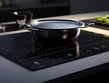
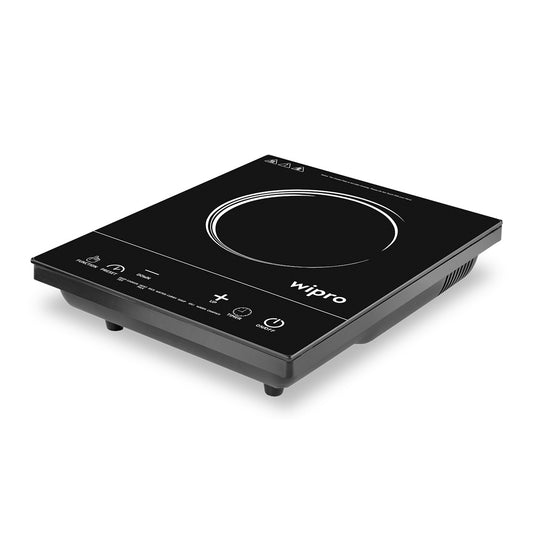
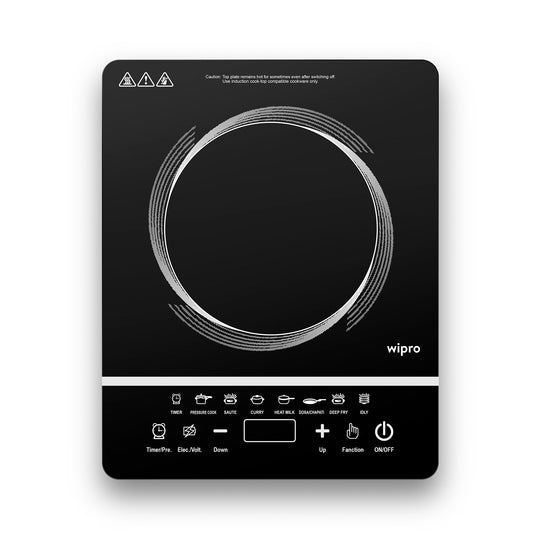
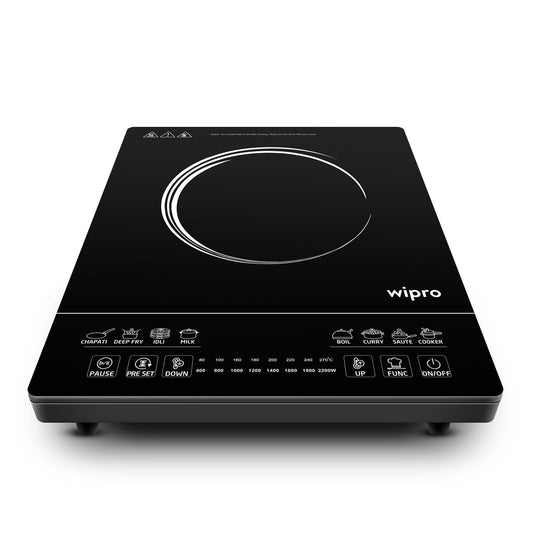
For boiling the pasta and preparing the sauce, the Wipro 2000 Watt Induction Cooktop offers precision temperature control along with a 2000-watt output. The ability to adjust the heat is particularly useful for white sauce because the roux and milk need controlled cooking rather than aggressive boiling.
2. Build the Roux Without Browning It
Melt butter in a pan over low to medium heat. Add garlic, if using, and cook briefly.
Add the flour and stir continuously for around a minute. The mixture should look smooth and slightly foamy but remain pale.
If the flour browns considerably, the flavour and colour of your white sauce will change.
3. Add the Milk a Little at a Time
Reduce the heat and begin adding milk gradually while whisking or stirring continuously.
Start with a small amount. Once that has blended smoothly into the roux, add more. Continue until all the milk is incorporated.
This gradual method is one of the most important steps in any basic white sauce pasta recipe because it helps prevent flour lumps from forming.
4. Season Only After the Sauce Comes Together
Once the sauce starts thickening, add salt, pepper, oregano and chilli flakes.
If you want cheese, lower the heat and stir it in towards the end. Avoid aggressively boiling the sauce after adding cheese, as gentle heat gives you a smoother finish.
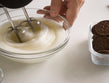
If a sauce does develop a few stubborn lumps, remove the pan from direct heat before smoothing it. The Wipro FB102 Hand Blender has a food-grade stainless-steel stem and a 2-in-1 blade designed for blending and whisking, making it useful as an optional tool for creating a more uniform sauce. Blend carefully to avoid splashing hot liquid.
5. Add Vegetables Without Making the Sauce Watery
Sauté vegetables such as mushrooms, capsicum or broccoli separately before adding them to the sauce.
This gives you better texture and prevents moisture released by the vegetables from thinning the sauce unexpectedly. Corn or lightly cooked carrots can be stirred in directly towards the end.
6. Bring the Pasta and Sauce Together
Add the drained pasta directly to the warm white sauce and toss until every piece is coated.
If the sauce has become too thick, add the reserved pasta water one tablespoon at a time. The starchy water loosens the consistency while helping the sauce stay integrated with the pasta.
Serve immediately because white sauce naturally thickens as it sits.
Why Does White Sauce Pasta Sometimes Turn Thick or Lumpy?
Most texture problems come down to a few small mistakes:
Milk was added too quickly: Add it in stages while stirring continuously.
Heat was too high: Gentle heat gives you better control as the sauce thickens.
Too much flour was used: Stick to a balanced butter-to-flour ratio.
The sauce cooked for too long: Stop once it coats the spoon and still flows easily.
The pasta sat in the sauce too long: Mix and serve while the sauce is still loose and creamy.
One White Sauce, Plenty of Pasta Possibilities
Once you understand the roux-and-milk technique, you do not need to memorise a new recipe each time.
Keep it simple with pepper and oregano, add sautéed vegetables for more texture, introduce garlic and chilli flakes for stronger flavour, or finish with cheese when you want something richer. The technique behind how to make white sauce pasta remains the same; the final combination is entirely up to you.
FAQs
-
What is white sauce for pasta made from?
A basic white sauce uses butter, flour and milk, with seasonings and cheese added according to preference.
-
How do I make white sauce pasta without lumps?
Cook the butter and flour together first, then add the milk gradually while stirring continuously.
-
Why does my white sauce become too thick?
Too much flour, prolonged cooking or cooling can thicken it, so loosen it gradually with milk or reserved pasta water.
-
Can I make white sauce pasta without cheese?
Yes, the butter, flour and milk mixture creates the creamy base, so cheese is optional.
-
Which vegetables work well in white sauce pasta?
Broccoli, mushrooms, capsicum, carrot and sweet corn all pair well with a creamy white sauce.