Skip to content


If there’s one rice dish that balances comfort, it’s veg pulao. Lightly spiced, aromatic, and packed with vegetables, a good veg pulao recipe relies more on technique than heavy masalas. Restaurants achieve that distinct flavour through controlled heat, precise water ratios, and proper tempering. All of these are completely achievable at home with modern kitchen appliances. This guide walks you through a restaurant-style vegetable pulao recipe that’s fluffy, fragrant, and consistently perfect.
What Makes Veg Pulao Different from Veg Biryani?
Though often confused, pulao and biryani are distinct. A pulav recipe is subtle and layered, while a veg biryani recipe is richer and more complex.
-
Pulao uses fewer spices and a single-pot cooking method
-
Vegetables and rice cook together, absorbing flavour evenly
-
The focus is aroma, not heat or spice overload
Understanding this difference is key to getting that restaurant-style pulao right.
Ingredients That Build Flavour
A great pulao recipe starts with balance. The right combination of rice, vegetables, and whole spices creates gentle layers of aroma and taste, allowing each ingredient to shine without overpowering the dish. Here’s what you’ll need.
-
Fresh mixed vegetables: Use evenly cut carrots, beans, green peas, cauliflower, or any vegetables of your choice to ensure uniform cooking and balanced texture throughout the pulao.
-
Whole spices for aroma: Bay leaf, cloves, green cardamom, and cinnamon release a slow, layered fragrance without overpowering the dish.
-
Aged basmati rice: Always choose good-quality aged basmati for long, fluffy grains and a naturally aromatic finish.
-
Soaking the rice: Soak basmati rice for 20-30 minutes to help the grains elongate, cook evenly, and reduce breakage.
-
Fresh ginger-garlic paste: Use a mixer and grinder to crush fresh ginger and garlic. This adds depth and warmth without harsh or bitter notes.
Step-by-Step: Restaurant-Style Veg Pulao at Home
This step-by-step method mirrors how professional kitchens achieve consistency and flavour. With controlled heat, proper sequencing, and the right appliances, making restaurant-style veg pulao at home becomes simple and reliable.
Prepare the Rice and Vegetables
Wash basmati rice gently under running water until it runs clear, then soak it for 20–30 minutes. This helps the grains cook evenly and elongate without breaking. Chop all vegetables into similar-sized pieces so they soften at the same pace. Using food processors or mixer grinders reduces prep time while maintaining consistency and hygiene.
Temper the Aromatics
Heat oil or ghee on a Wipro induction cooktop, then add whole spices such as bay leaf, cardamom, cloves, and cinnamon. Allow them to bloom slowly on medium heat to release essential oils. Induction cooktops offer precise temperature control, preventing spices from burning while building a fragrant base.
Build the Base
Add thinly sliced onions and sauté until they turn soft and translucent. Avoid browning, as pulao relies on subtle sweetness rather than caramelisation. Stir in freshly ground ginger-garlic paste and green chillies. Controlled heat ensures the flavours remain balanced without overpowering the dish.
Add Vegetables and Rice
Add the chopped vegetables, followed by the drained rice and salt. Gently stir to coat everything in the aromatic base without breaking the rice grains. This step is crucial, as it allows the vegetables and rice to absorb flavour evenly, which defines a well-made veg pulao recipe.
Cook to Perfection
Pour in hot water using the correct ratio, usually one cup of rice to two cups of water. Cook in an electric pressure cooker or a covered pan until the rice is just tender and fluffy. Modern pressure cookers ensure uniform heat distribution, shorter cooking time, and consistent results. Let the pulao rest for five minutes, then fluff to allow the steam to settle.
Serve veg pulao with cucumber raita, onion salad, or a light curry. Because the flavours are subtle, accompaniments should complement and not overpower the dish.
How do Appliances Aid in Perfecting Pulao
Restaurant consistency comes from precision, and that’s where appliances help. Below are all you’ll need, along with the technique for each.
-
Induction cooktops offer instant heat control, which is essential when tempering whole spices for veg pulao. The technique lies in maintaining medium, steady heat so spices bloom slowly without scorching. This controlled heating allows essential oils to release evenly, creating a fragrant base rather than a bitter one. Consistent temperature also helps onions sauté uniformly without over-browning.
-
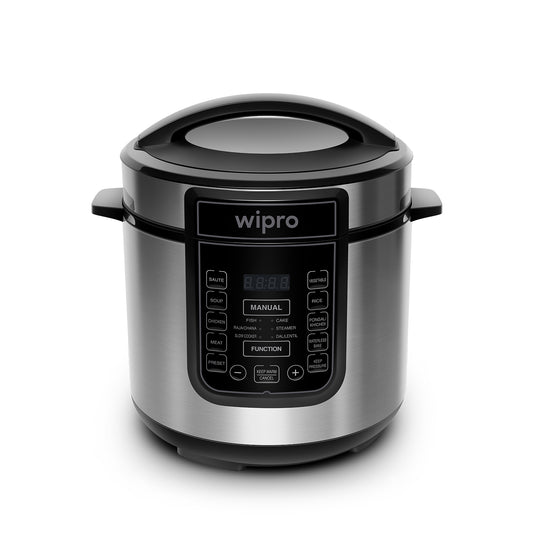
Pressure cookers lock in steam and aroma, ensuring rice and vegetables cook evenly without excess moisture loss. The key technique is using the correct water ratio and cooking time to avoid mushy rice. Controlled pressure helps the grains absorb flavour while staying separate and fluffy. This method also significantly reduces cooking time while preserving aroma and texture.
-
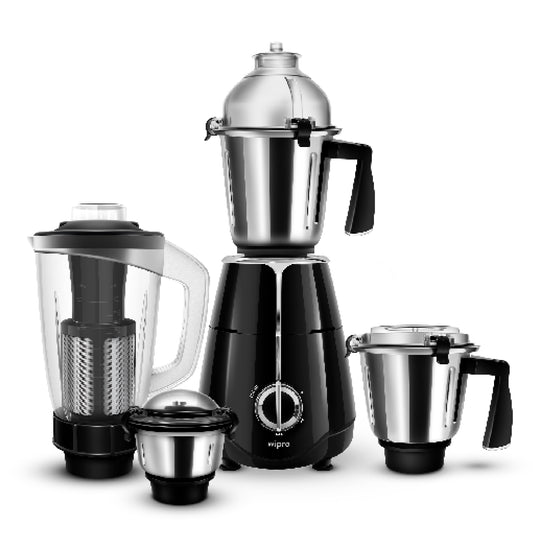
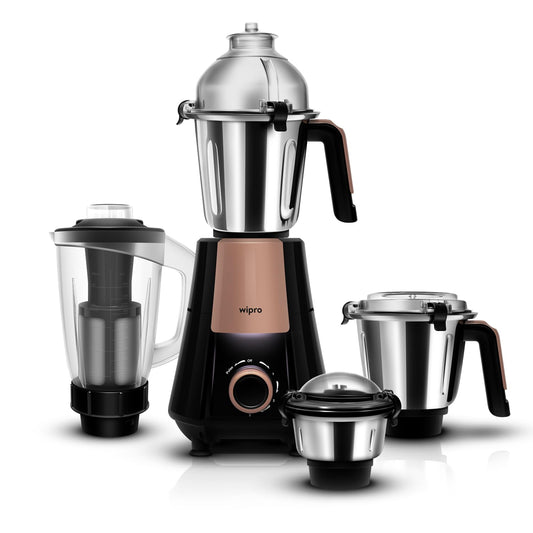
Mixer grinders help prepare fresh ginger-garlic pastes that form the flavour backbone of a good pulao recipe. The technique is to grind in short pulses, preventing overheating that can dull flavours. Freshly ground pastes release natural oils that blend smoothly into the dish, unlike store-bought versions. This results in a cleaner, more balanced taste that closely matches restaurant-style results.
Bringing Restaurant Comfort to Home Kitchens
Veg pulao proves that simple food can still feel special. With the right ingredients, mindful technique, and smart use of appliances, a restaurant-style vegetable pulao recipe becomes an easy home staple. It’s lighter than biryani, faster to cook, and endlessly comforting making it perfect for everyday meals and special occasions alike.
FAQs
-
Can veg pulao be made in a pressure cooker?
Yes. A pressure cooker ensures even heat distribution and perfectly cooked rice without mushiness, making it ideal for a consistent pulao recipe.
-
How is veg pulao different from a veg biryani recipe?
Veg pulao uses fewer spices and a single-pot method, while biryani involves layering, stronger masalas, and longer cooking.
-
Why is soaking basmati rice important?
Soaking helps rice grains elongate, cook evenly, and release aroma, which is essential for restaurant-style pulao.
-
Can an induction cooktop improve pulao cooking?
Absolutely. Induction cooktops provide precise temperature control, preventing spice burning and uneven cooking.
-
How do appliances help achieve consistent results?
Modern appliances like pressure cookers, induction cooktops, and mixer grinders reduce manual errors, control heat better, and enhance flavour extraction.