Skip to content


Oats chilla usually breaks because the batter is too thin, the vegetables release excess water, or the first side is flipped before it has set. Grind the oats finely, use besan for structure, rest the batter before cooking and wait for the surface to lose its wet shine before turning.
An oats chilla can look ready on the pan and still tear the moment the spatula goes underneath. The problem is usually not a lack of oil. More often, the batter needs better structure or the first side simply needs more time to set.
The easier way to make this breakfast repeatable is to fix the batter before it reaches the pan and then watch for clear flipping cues instead of relying only on minutes.
What Gives Oats Chilla Enough Structure?
For about six medium chillas, use:
1 cup rolled or quick-cooking oats
¼ cup besan
¼ cup curd
Around ¾ cup water
1 small onion, finely chopped
1 small carrot, grated
2 tablespoons chopped coriander
1 green chilli, finely chopped
½ teaspoon cumin powder
¼ teaspoon turmeric
Salt as required
Oil for cooking
Oats absorb water but do not bind as firmly as some traditional chilla batters. Besan adds structure, while curd helps keep the centre from becoming dry.
Keep the vegetables fine as well. Large pieces can create weak spots that split when the chilla is turned.
Grind the Oats Only as Much as Needed
Turn the oats into a fine flour before making the batter. A few tiny coarse particles are fine; visible flakes can make spreading less even.
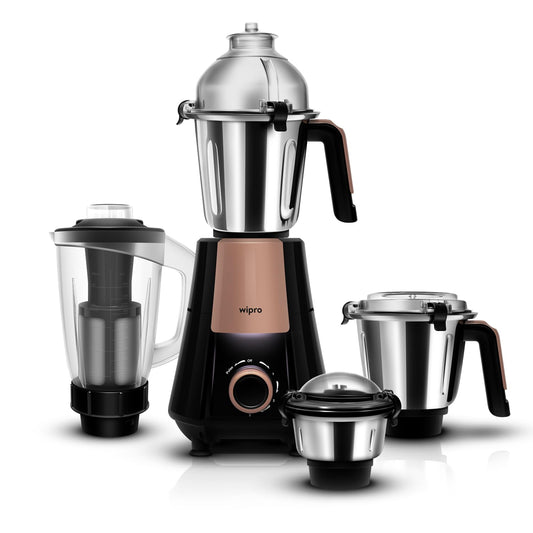
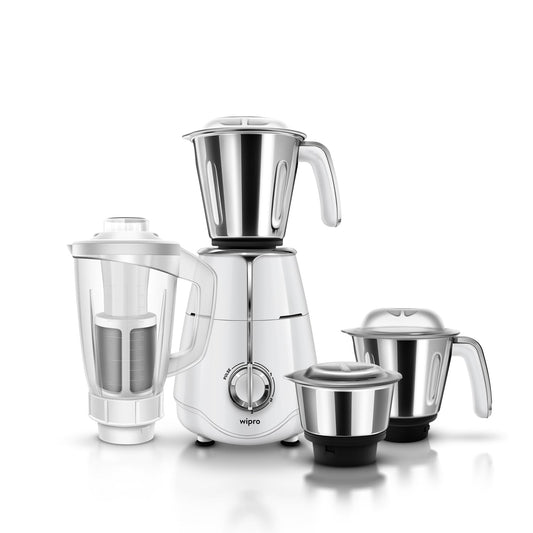
A mixer grinder by Wipro Appliances is useful here because dry grinding is one of the everyday mixer grinder uses it is designed to handle. Wipro Appliances lists dry-grinding jars for ingredients such as grains, nuts and spices across its mixer grinder range.
For one cup of oats, use short bursts and stop once the texture resembles flour. Continuing after that only adds unnecessary grinding time.
If you are choosing between jars or trying to understand which one suits dry ingredients, a mixer grinder guide can also help distinguish dry-grinding, wet-grinding and blending tasks before you start.
Let the Batter Change Before You Judge It
Mix the oat flour, besan, curd, cumin, turmeric and salt. Add water gradually and whisk until no dry pockets remain.
The batter should fall from a spoon in a steady ribbon and spread slowly after landing in the bowl. It should not pour like milk.
Now add the onion, carrot, coriander and chilli, then leave the batter alone for about 10 minutes. This rest matters because oats continue absorbing water.
After resting:
Dropping in heavy lumps? Add a little water.
Running too quickly? Add a teaspoon of besan.
Water collecting in the bowl? Check whether the vegetables are releasing excess moisture.
This final adjustment is more useful than trying to correct every chilla on the pan.
Use the Pan to Confirm, Not Rescue, the Batter
Heat a flat pan over medium heat and brush it lightly with oil.
Pour a ladle of batter into the centre and spread gently. The batter should move without becoming paper-thin at the edges.
Do not flip because a certain number of minutes have passed. Flip when:
the wet shine on top has mostly disappeared
the edges look set and begin lifting
the spatula slides underneath without dragging batter
light golden patches have formed underneath
Loosen the edges gradually, take the spatula towards the centre and turn in one clean movement.
Keep the Heat Steady for the Second Side
Medium heat gives the centre time to cook while still allowing the outside to colour.
High heat can brown the base before the upper surface is firm enough to flip. Very low heat can dry the chilla before it develops good colour.
An induction cooktop by Wipro Appliances can make this part easier when you want more controlled stovetop heating with compatible cookware. Current Wipro Appliances induction models are designed around adjustable cooking control and preset functions for everyday stovetop tasks.
This is where kitchen appliances earn their place in a quick breakfast: they should reduce repeated heat adjustments or prep work, while the cook still watches the batter and surface cues.
Make the Same Batter Work Harder
Once the base batter is holding together properly, small additions can turn the same recipe into different healthy breakfast ideas:
Add grated paneer for more body.
Mix in finely chopped spinach after squeezing out excess water.
Add crushed peanuts for crunch.
Use spring onion instead of regular onion.
Serve with curd, mint chutney or tomato chutney.
Keep additions moderate. Too many vegetables leave less batter around them to bind the chilla.
What the Finished Chilla Can Tell You
|
Result |
What may need adjusting |
|
Breaks while flipping |
Batter is too thin or first side is under-set |
|
Thick and difficult to spread |
Batter needs a little water |
|
Weak, thin edges |
Batter is too loose |
|
Sticks immediately |
Pan may not be hot enough |
|
Dry chilla |
Batter is too thick or heat is too low |
A Good Flip Begins Before the Spatula
The pan is only the final test. Whether an oats chilla stays intact is largely decided by batter consistency, vegetable moisture and resting time.
Give the oats time to absorb water, keep enough besan for structure and wait until the surface visibly sets before turning. Once those cues become familiar, clean flips become much more dependable.
Frequently Asked Questions
-
Why does oats chilla break while flipping?
The batter may be too thin, or the first side may not have set completely.
-
Can oats chilla be made without besan?
Yes, but it will usually be more delicate and need gentler handling.
-
Why does the batter become thicker after resting?
Oats continue absorbing water, so the consistency may need a small adjustment before cooking.
-
Can the batter be stored overnight?
Yes. Refrigerate it and add water gradually before using it the next morning.
-
Should the pan be very hot?
No. Medium heat helps the centre cook while allowing the surface to set properly.