Skip to content


Quinoa salad stays fresher for lunch when you prepare it according to when it will be eaten. Cool the quinoa completely, control moisture from cucumber and tomato, keep the dressing separate and add crunchy toppings only at mealtime. That small change in packing helps preserve texture for several hours.
Quinoa salad often tastes best just after mixing, which is not always when it gets eaten. By lunchtime, cucumber may have released water, quinoa may have absorbed most of the dressing and nuts may have lost their crunch.
The better approach is to plan for later: cook and lightly season the quinoa first, manage the wetter vegetables separately and leave the final dressing and crunch for lunchtime.
Decide When You Plan to Eat It
For two to three servings, use:
Quinoa Base
-
1 cup quinoa
-
2 cups water
-
A small pinch of salt
Fresh Ingredients
-
1 small cucumber
-
1 medium tomato
-
½ bell pepper
-
¼ cup red onion
-
¼ cup sweet corn
-
2 tablespoons coriander or parsley
Dressing
-
2 tablespoons lemon juice
-
1½ tablespoons olive oil
-
½ teaspoon roasted cumin powder
-
Black pepper and salt as required
-
½ teaspoon honey, optional
Choose Two Finishing Ingredients
-
Chickpeas, paneer or feta for more body
-
Roasted peanuts, almonds or pumpkin seeds for crunch
-
Pomegranate, apple or raisins for sweetness
If the salad will be eaten immediately, everything can go into one bowl. For a packed lunch, the dressing, salt and crunchy ingredients should wait.
Cook Quinoa for the Texture It Will Have Later
Rinse the quinoa thoroughly and add it to a saucepan with water and salt.
Bring it to a boil, then lower the heat, cover and cook until the water is absorbed and the grains look open.
After switching off the heat:
-
Leave the pan covered for five minutes.
-
Fluff gently with a fork.
-
Mix in one teaspoon each of olive oil and lemon juice.
-
Spread the quinoa on a wide plate to cool.
The quinoa should be cool enough that no steam rises when you move it with a fork. Packing it while warm traps condensation that can soften the vegetables later.
The same cooking approach can also be useful across healthy quinoa recipes, especially when the grain needs to remain separate enough to hold vegetables, dressing and toppings without becoming soft or clumpy.
Choose Vegetables According to Their Moisture
Not every vegetable behaves the same way after chopping.
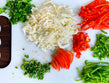
Bell pepper, onion and corn usually hold their texture well enough to prepare earlier.
Tomato and cucumber need more attention. Remove the watery centre from the tomato. If the cucumber is especially juicy, scoop out the seeds before packing it for lunch.
That extra minute may not matter in a salad eaten immediately, but several hours later it can decide whether the box still feels fresh or has liquid collecting at the bottom.
The same moisture control matters when adapting the bowl towards an Italian chopped salad recipe, where several chopped vegetables need to retain their individual texture even after they are brought together.
Use the Chopper Selectively
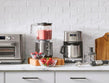
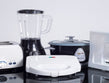
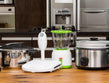
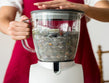
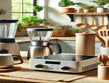
An electric chopper can reduce prep time when you are working with firmer ingredients such as onion, bell pepper, herbs or nuts.
For this kind of chopped salad, use short bursts and stop while the pieces are still distinct rather than finely minced.
I would still handle tomato and cucumber separately because removing their wetter centres before chopping gives you more control over the final salad.
This is where kitchen appliances are most useful: they should speed up repetitive prep without treating every ingredient in exactly the same way.
Firmer ingredients generally tolerate quick chopping better than moisture-rich vegetables, so the appliance should be used according to the ingredient rather than simply putting everything into the bowl together.
Pack the Salad in the Order It Will Be Eaten
For an immediate meal, place the cooled quinoa and vegetables in a bowl and toss gently.
For a lunchbox:
-
Put the cooled quinoa at the bottom.
-
Add corn, pepper and onion.
-
Keep tomato and cucumber near the top.
-
Pack the dressing separately.
-
Carry nuts or seeds in a small dry container.
This order is not about presentation. It simply keeps wetter ingredients away from most of the quinoa until the salad is ready to be mixed.
Build a Light Meal Without Adding Everything
Quinoa works well in fibre-rich recipes, but the bowl can become unnecessarily heavy when chickpeas, paneer, cheese, nuts, seeds and dried fruit are all added together.
A simpler formula works better:
-
One Substantial Addition: Chickpeas, paneer or feta
-
One Crunchy Addition: Nuts or seeds
-
One Fresh Flavour: Coriander, parsley or mint
For a light lunch, chickpeas with pumpkin seeds and coriander may be enough. For dinner, paneer with roasted peanuts and mint can give the bowl more body.
If you want to turn the same base into a high-protein quinoa recipe, choose one protein-rich addition such as chickpeas, paneer or feta and balance it with fresh vegetables rather than adding several heavy toppings together.
The aim is to make the salad satisfying without allowing the toppings to overpower the quinoa.
Prepare the Dressing Without Overworking It
Whisk the remaining olive oil, lemon juice, cumin, pepper and optional honey until combined.
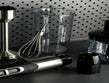
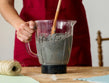
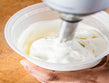
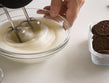
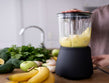
When making a larger quantity for several lunch boxes, a hand blender can help bring together lemon juice, oil, herbs or a thicker curd-based dressing. Blend only until the mixture is uniform rather than continuing until it becomes unnecessarily thin.
Keep the prepared dressing in a separate covered container until lunchtime. This protects the texture of the quinoa and vegetables while still allowing the flavours to come together just before eating.
Complete It in Two Minutes at Lunchtime
When ready to eat:
-
Pour in only part of the dressing.
-
Add salt.
-
Toss from the bottom upwards.
-
Taste before adding more dressing.
-
Finish with nuts or seeds.
The quinoa should have a light shine rather than sit in liquid. If the salad tastes flat, check the salt and lemon before adding more oil.
Freshness Comes from Planning for Later
Making quinoa salad for immediate eating is straightforward. Packing it for lunch requires a slightly different approach.
Cool the quinoa fully, treat moisture-rich vegetables separately and delay the dressing and crunch until mealtime. That planning keeps the salad crisp and balanced instead of letting every ingredient soften together.
FAQ
-
Can quinoa salad be prepared the night before?
Yes. Refrigerate the quinoa and vegetables separately from the dressing, salt and crunchy toppings.
-
Why does quinoa salad become watery?
Warm quinoa, juicy vegetables and early salting can all introduce extra moisture.
-
Should quinoa be rinsed before cooking?
Yes. Rinsing helps remove its natural outer coating, which can contribute bitterness.
-
How can the salad be made more filling?
Add one substantial ingredient such as chickpeas, paneer or feta rather than several heavy toppings.
-
Can the dressing be added before packing?
It is better to keep it separate when the salad will be eaten several hours later.