Skip to content


A good dal bati churma recipe depends on treating its three parts differently. The dal needs enough simmering time to become well blended, the baati needs a firm dough and even baking or roasting, and the churma should stay crumbly rather than greasy. Prepare each component separately, then bring them together only while serving.
The appeal of dal bati churma rajasthani style is in the contrast. The dal is soft and spiced, the baati is firm outside but tender inside, and the churma brings a sweet, coarse finish.
Trying to rush all three at the same time can make the meal feel heavier than it needs to. A better approach is to prepare the dal first, shape and cook the baati next, and make the churma while the other components are resting.
What You Need
For the Dal
-
½ cup toor dal
-
¼ cup chana dal
-
¼ cup moong dal
-
1 small tomato, chopped
-
1 green chilli
-
½ teaspoon turmeric
-
1 teaspoon cumin
-
1 teaspoon ginger
-
½ teaspoon red chilli powder
-
½ teaspoon coriander powder
-
Salt as required
-
Ghee for tempering
For the Baati
-
2 cups whole wheat flour
-
¼ cup semolina
-
4 tablespoons ghee
-
½ teaspoon ajwain
-
Salt as required
-
Water as required
For the Churma
-
3 cooked baatis
-
3 to 4 tablespoons powdered jaggery or sugar
-
2 tablespoons ghee
-
2 tablespoons chopped nuts
-
¼ teaspoon cardamom powder
Step 1: Cook the Dal Until the Lentils Lose Their Edges
Wash the lentils together and cook them with tomato, green chilli, turmeric, salt and enough water.
The dal should become soft enough that the individual lentils begin blending into one another.
For people who regularly prepare dal tadka recipes, this stage matters more than simply following a fixed cooking time. The final consistency should be pourable but not watery.
Once cooked, lightly whisk the dal rather than blending it completely. You still want some texture.
Step 2: Build the Tempering Separately
Heat ghee and add cumin and ginger.
Once aromatic, add chilli powder and coriander powder briefly, then pour the tempering over the cooked dal.
Simmer for a few more minutes so the tempering does not simply sit on the surface.
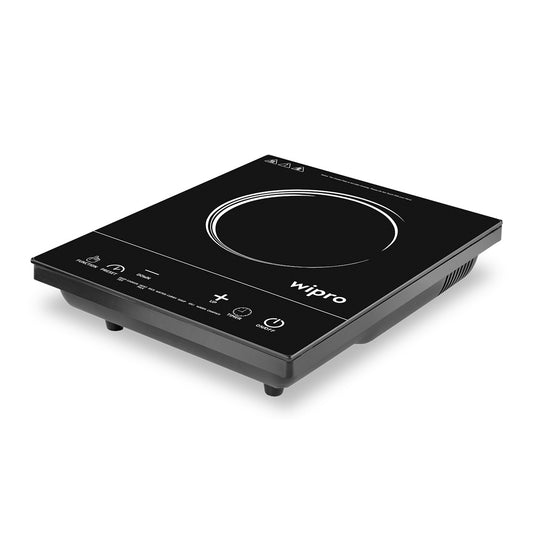
An induction cooktop by Wipro Appliances can be useful here because the dal moves from stronger heat during tempering to gentler simmering afterwards. The current Vesta CIC202 model has multiple power levels, which makes it easier to adjust heat between these stages.
The advantage of an induction cooktop is not speed alone. It is the ability to lower the heat once the dal reaches the consistency you want, helping prevent unnecessary thickening or sticking.
Step 3: Make a Firm Baati Dough
Combine whole wheat flour, semolina, ajwain and salt.
Rub in the ghee before adding water. The flour should feel slightly sandy before the dough comes together.
Add water gradually and knead into a firm dough. It should hold shape easily and should not feel as soft as roti dough.
Let it rest for about 15 minutes.
For baati, a firm dough matters because the shape needs to survive baking or roasting without spreading.
Step 4: Shape the Baatis Evenly
Divide the dough into equal portions and roll them into smooth balls.
Press each one lightly in the centre so the middle cooks more evenly.
Try to keep the baatis similar in size. If some are much larger than others, the smaller ones may dry out while the bigger ones are still cooking through.
Step 5: Cook Until the Outside Sets and the Centre Is Done
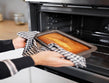
Bake or roast the baatis until the outside becomes firm and lightly browned.
Turn them during cooking if necessary so the colour develops more evenly.
Once cooked, break one open to check:
-
the centre should not look doughy
-
the outside should be firm, not rock-hard
-
the inside should remain tender enough to absorb dal
Brush or dip the hot baatis lightly in ghee according to preference rather than soaking them heavily.
Step 6: Turn Baati into Churma Without Making It Pasty
Allow three cooked baatis to cool slightly, then break them into smaller pieces.
A mixer grinder by Wipro Appliances, such as the Elato FMG207, can help turn the baati into coarse crumbs. Its dry-grinding jar is designed for dry ingredients, which makes it suitable for this kind of short, controlled grinding.
Among mixer grinders, the useful part here is control. Pulse briefly and stop while the crumbs are still coarse.
Mix in:
-
powdered jaggery or sugar
-
ghee
-
cardamom
-
chopped nuts
Do not grind the sweetener and baati together for too long. Excess processing can make the churma dense instead of crumbly.
Step 7: Check All Three Parts Before Serving
|
Component |
What You Want |
|
Dal |
Smooth but not completely puréed |
|
Baati |
Firm outside, tender inside |
|
Churma |
Coarse and crumbly |
|
Ghee |
Enough to enrich, not overwhelm |
This is the easiest way to understand how to make dal baati churma at home: each part has a different ideal texture, so one cooking method cannot be applied to everything.
Step 8: Serve Without Losing the Contrast
Crack the hot baati open and spoon dal over it, or serve the two separately.
Keep churma on the side rather than mixing it into the savoury portion.
The plate works best when the textures remain distinct: soft dal, structured baati and loose, sweet churma.
The Meal Works Because the Three Parts Stay Different
A good dal bati churma recipe is less about adding extra ghee and more about managing the three components correctly.
Cook the dal until cohesive, keep the baati dough firm enough to hold its shape and grind the churma only until coarse. When those textures are right, the meal feels balanced rather than heavy.
FAQs
-
Can dal baati churma be prepared in advance?
Yes. The dal and churma can be prepared earlier, while the baati is best reheated closer to serving.
-
Why does baati become too hard?
The dough may be too dry, or the baati may have cooked for too long.
-
Can churma be made without sugar?
Yes. Jaggery can be used instead, depending on preference.
-
Which dals are commonly used for dal baati?
A combination of toor, chana and moong dal works well, though proportions can vary.
-
Can baati be cooked without an oven?
Yes. It can be prepared using other controlled dry-heat methods, provided the centre cooks through evenly.