Skip to content


A good matar paneer recipe depends on three things: a well-cooked onion-tomato base, peas that stay tender without turning dull, and paneer added late enough to remain soft. Prepare the gravy first, adjust its consistency before the paneer goes in, and let the final simmer stay gentle so the dish feels rich without becoming heavy.
Matar paneer looks simple, but the texture can change quickly if every ingredient is cooked for the same amount of time. The gravy needs patience, peas need just enough heat to soften, and paneer benefits from being added near the end.
That is why learning how to make matar paneer at home is less about adding more cream or butter and more about controlling the sequence.
What You Need for the Curry
For three to four servings:
Main Ingredients
• 250 g paneer, cut into cubes
• 1 cup green peas
• 2 medium tomatoes, chopped
• 1 medium onion, chopped
• 1 teaspoon ginger-garlic paste
• 1 green chilli, optional
• 1 tablespoon oil
• ½ teaspoon cumin seeds
• ½ teaspoon turmeric
• 1 teaspoon coriander powder
• ½ teaspoon red chilli powder
• ½ teaspoon garam masala
• ½ teaspoon kasuri methi
• Salt as required
• 1 to 1½ cups warm water
• 1 tablespoon cream, optional
Step 1: Prepare a Smooth Base Without Making It Watery
Start by chopping the onion and tomatoes into manageable pieces.
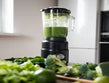
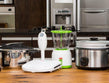
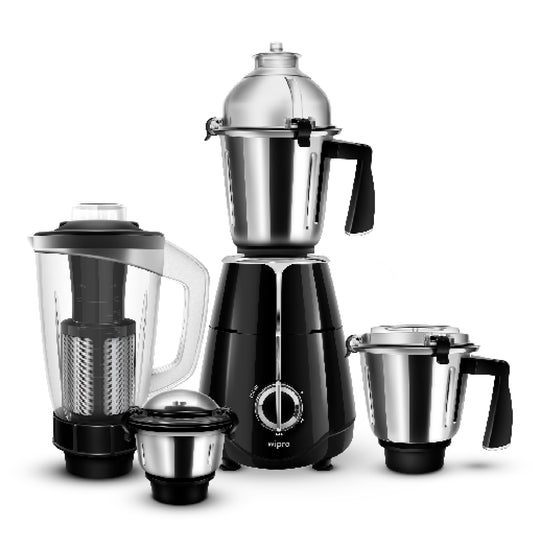
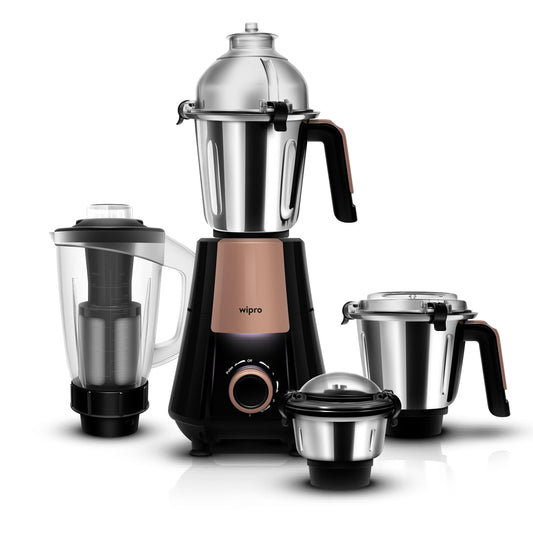
A Wipro Elato mixer grinder by Wipro Appliances can help turn the cooked onion-tomato mixture into a smooth curry base. The model has separate wet, dry and chutney jars, so the wet-grinding jar is better suited to a gravy like this.
This is where mixer grinders are useful: the appliance can create a consistent base, while you still decide how smooth the gravy needs to be.
Avoid adding too much water during grinding. A thin base takes longer to reduce later and can dilute the spice flavour.
Step 2: Cook the Masala Until the Rawness Disappears
Heat oil and add cumin seeds.
Add the onion and cook until softened. Stir in ginger-garlic paste, followed by tomatoes and green chilli.
Add:
• turmeric
• coriander powder
• chilli powder
• salt
Cook until the tomatoes break down and the masala begins to look thicker.
This is the stage that should not be rushed. If the onion-tomato mixture still smells raw, blending it will only make the texture smoother, not the flavour more developed.
Step 3: Blend, Then Return the Gravy to Heat
Allow the masala to cool slightly before blending.
Process it until smooth, then return it to the pan.
If you prefer some texture, stop before the gravy becomes completely silky. The aim is to remove coarse onion and tomato pieces without making the curry feel like a thin sauce.
For anyone comparing cooking appliances for everyday Indian gravies, the useful role of the mixer grinder here is straightforward: it reduces repetitive grinding while the actual flavour still comes from properly cooked ingredients.
Step 4: Add the Peas Before the Paneer
Once the gravy is back in the pan, add warm water gradually.
Bring it to a gentle simmer, then add the peas.
Fresh peas generally need a little more time than frozen peas, so adjust the cooking time accordingly.
This is one important difference between matar paneer and a methi matar malai recipe. Both may use peas, but the final gravy and flavour profile are very different, so the peas need to be handled according to the dish rather than one fixed method.
Step 5: Adjust the Gravy Before the Paneer Goes In
Taste the gravy while you can still stir freely.
Check for:
|
If the Gravy Is |
What to Do |
|
Too thick |
Add warm water gradually |
|
Too thin |
Simmer uncovered |
|
Too sharp |
Cook a little longer |
|
Too mild |
Adjust salt or spice |
|
Too spicy |
Add a little cream |
The gravy should be slightly stronger in flavour at this stage because the paneer will soften the overall intensity.
Step 6: Add Paneer Only Near the End
Gently place the paneer cubes into the gravy and fold them through instead of stirring aggressively.
Cook over low heat for only a few minutes.
Keeping paneer on the heat for too long can make it firm, especially if the cubes are small.
If refrigerated paneer feels slightly hard, place it in warm water briefly before adding it to the curry.
Step 7: Finish with Gentle Heat
An induction cooktop by Wipro Appliances, such as the Vesta, can be useful for this final stage because it allows you to move from a steady simmer to lower heat once the paneer enters. The current model offers 2000W power, multiple power levels and touch controls.
Once the paneer is heated through, add garam masala and crushed kasuri methi.
If using cream, add it over low heat and switch off shortly afterwards.
The goal is not to keep simmering until the gravy becomes very thick. Homemade matar paneer should still have enough sauce to coat the paneer and peas without feeling heavy.
Step 8: Let the Curry Rest Before Serving
Rest the curry for about five minutes after switching off the heat.
This short pause allows the gravy to settle around the paneer and peas.
Serve with roti, paratha or rice.
What Should the Finished Matar Paneer Look Like?
Before serving, check four things:
• Paneer: Soft and intact
• Peas: Tender but not mushy
• Gravy: Smooth enough to coat the paneer
• Oil or Cream: Supporting the dish rather than dominating it
These cues matter more than simply extending the cooking time.
Good Matar Paneer Depends on Timing
A dependable matar paneer recipe does not need excessive cream, butter or prolonged cooking.
Cook the masala properly, blend only after the rawness has gone, give the peas enough time and add the paneer near the end. When those stages are handled separately, the final curry feels balanced rather than overcooked.
Frequently Asked Questions
-
Can frozen peas be used for matar paneer?
Yes. Add them later than fresh peas because they generally soften more quickly.
-
Why does paneer become rubbery in the curry?
It may have been cooked for too long or over high heat.
-
Can the gravy be prepared in advance?
Yes. Prepare and refrigerate the gravy, then reheat gently and add peas and paneer closer to serving.
-
Is cream necessary for matar paneer?
No. It is optional. A properly cooked onion-tomato base can provide enough body on its own.
-
Can matar paneer be made without onion?
Yes, although the flavour and body of the gravy will change.