Skip to content


Ever wondered why restaurant bhindi masala is never sticky, always perfectly coated with masala, and bursting with flavour? You don’t need a chef or fancy ingredients to crack it. All you need for this bhindi masala recipe is technique and controlled cooking. This is something Wipro’s modern kitchen appliances make surprisingly easier.
If you’ve been searching for how to make bhindi masala that actually tastes restaurant-style, this guide breaks it down step by step.
Characteristics of Bhindi Masala Recipe : Restaurant Style
Professional kitchens rely on consistent heat and wide cookware, which you can easily replicate at home using Wipr’s induction cooktops or well-calibrated gas hobs. Restaurant-style bhindi masala stands out because of a few non-negotiables:
-
Bhindi is cooked separately to avoid sliminess: Cooking bhindi on its own allows excess moisture to evaporate, keeping it crisp and non-sticky when mixed with the masala.
-
Masala is slow-roasted, never rushed: Slowly roasting the onion-tomato base helps deepen flavours and ensures the spices lose their raw taste.
-
Spices are balanced, not overpowering: Restaurant-style bhindi masala relies on measured spices that enhance the vegetable’s natural flavour rather than masking it.
-
Oil is controlled, not excessive: Using just enough oil helps coat the bhindi evenly while keeping the dish light and well-balanced instead of greasy.
Ingredients You’ll Need
This bhindi masala dry recipe, restaurant-style, keeps the ingredients simple yet flavourful. The difference isn’t in the fancy ingredients, but in how each one is used to build layers of flavour without overpowering the bhindi itself.
For the bhindi
-
500 g fresh bhindi (okra), completely dry
-
2 tbsp oil
-
Salt to taste
For the masala
-
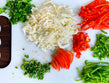
2 medium onions, finely chopped
-
2 tomatoes, finely chopped
-
1 tsp ginger-garlic paste
-
Red chilli powder, turmeric, and coriander powder
-
Garam masala & kasuri methi
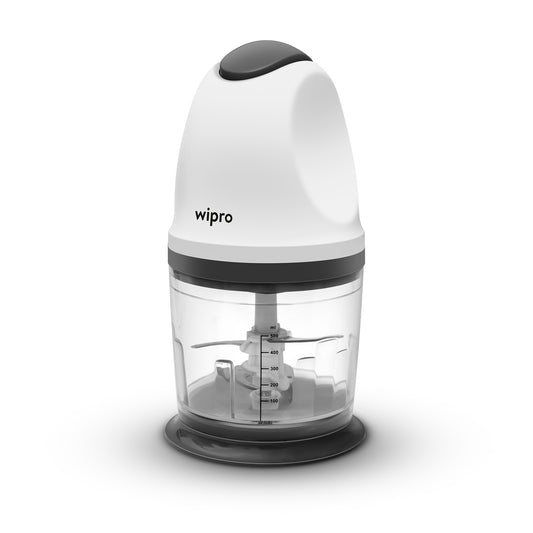
A Wipro Appliances Tip: Even chopping ensures even cooking. Wipro’s Vesta electric chopper speeds this up without over-processing.
How to Prep Bhindi Properly (Zero Stickiness Rule)
This step decides the fate of your bhindi masala recipe.
-
Wash bhindi in advance and air-dry completely.
-
Pat dry with a kitchen towel. There should be no moisture and no slime.
-
Slice the bhindi evenly. Avoid cutting too thin or too thick.
-
Minimal handling keeps the bhindi firm and prevents mucilage release during cooking.
Step-by-Step: How to Make Bhindi Masala
Follow this sequence closely; it’s how restaurants do it. Cooking bhindi and masala separately, controlling heat, and combining them at the right moment is what gives you that perfectly dry, non-sticky restaurant-style finish.
Step 1: Fry the Bhindi Separately
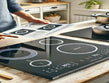
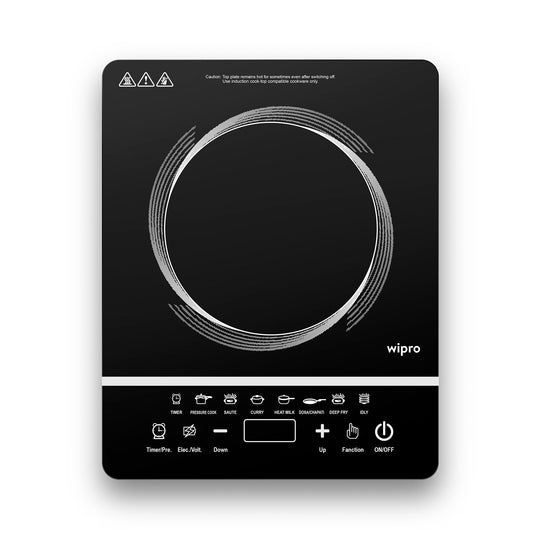
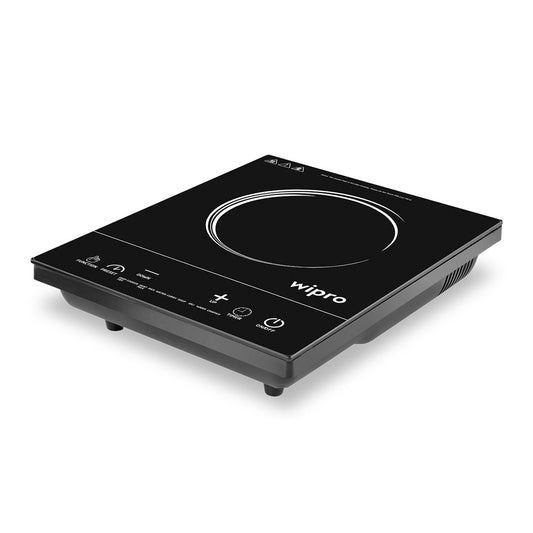
Heat oil in a wide pan, and add the bhindi in batches. Cook over medium heat until lightly crisp. Remove and set aside. For this entire process, using an induction cooktop like the Wipro Smart Induction Cooktop, helps you get steady heat without burning, which helps bhindi cook evenly with less oil.
Step 2: Prepare the Masala Base
In the same pan, add a little oil. Crackle some jeera and mustard seeds and sauté the onions until golden brown. Then add your aromats like ginger-garlic paste and green chilli.
After you’ve cooked these till the rawness disappears, add in tomatoes and spices, and slow-roast the mixture until the oil separates. This stage builds depth of flavour and needs consistent heat control to avoid burning.
Step 3: Combine and Finish
Add the fried bhindi to the prepared masala, and toss gently without over-stirring. Sprinkle garam masala and crushed kasuri methi for flavour. Cook it further, keeping it uncovered for 2-3 minutes until the bhindi is well coated dry, flavourful, and perfectly non-sticky.
Step 4: Serve It Hot
Serve the bhindi masala hot to enjoy its crisp texture and bold flavours at their best. It pairs perfectly with hot tandoori rotis or soft phulkas, and also works beautifully as a dry side with comforting dal tadka and fragrant jeera rice for a complete meal.
Common Bhindi Masala Mistakes (And How You Can Avoid Them)
Even the best chef’s bhindi masala recipe can go wrong if a few small details are missed. These are the most common mistakes home cooks make, and how restaurants avoid them.
-
Sticky bhindi: Any moisture on the bhindi or overcrowding the pan can release slime, so always dry it well and cook in batches.
-
Burnt masala: Cooking over high heat without control causes spices to burn rather than roast, ruining the flavour.
-
Mushy texture: Overstirring after adding bhindi breaks it down, so gentle tossing is key.
Wide cookware and precise temperature control make a noticeable difference in getting that perfect restaurant-style finish.
How Do Appliances Make Cooking Bhindi Masala Easier
Modern appliances reduce effort without changing authenticity. Wipro’s kitchen appliances are designed for controlled cooking, which is exactly what dry sabzis like bhindi masala need.
|
Appliance |
How It Helps While Making Bhindi Masala |
|
Induction Cooktop |
Provides precise and steady heat control, which helps bhindi fry evenly without burning and allows slow-roasting of the masala until oil separates. This is key for a proper restaurant-style bhindi masala dry recipe. |
|
Electric Chopper |
Ensures uniformly chopped onions and tomatoes, helping them cook evenly and form a well-balanced masala base without raw bits or uneven texture. |
|
Mixer Grinder |
Useful if you prefer a slightly richer or semi-dry restaurant-style masala, as it helps blend tomatoes and spices smoothly without altering traditional flavours. |
Bringing Restaurant Flavours Home with Ease
Restaurant-style cooking is no longer limited to commercial kitchens. Today’s home kitchens are equipped with appliances that offer the same precision, consistency, and control that chefs rely on every day. When you combine the right technique with dependable tools, making a bhindi masala, the dry recipe, restaurant-style, feels effortless, confident, and deeply satisfying, proving that great flavour is always achievable right at home.
FAQs
-
Can I make bhindi masala on an induction cooktop?
Yes. Induction cooktops provide precise heat control, which helps fry bhindi evenly and roast masala without burning.
-
Why does bhindi stick even after drying?
Adequately not drying it, overcrowding the pan or stirring too often releases slime. Cook bhindi in batches on controlled heat.
-
Is an electric chopper better than hand chopping for bhindi masala?
For onions and tomatoes, yes. Uniform chopping ensures even cooking and better masala texture.
-
Can bhindi masala be cooked with less oil using modern appliances?
Absolutely. Steady heat from induction cooktops reduces the need for excess oil.
-
Should I grind the masala for restaurant-style bhindi masala?
Optional. Some restaurants use lightly ground masala for richer coating, which can be done using a mixer grinder.